
Pest Control Service for Kalama Homes and Commercial Properties
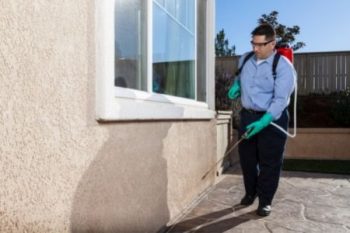
The Killers provides professional pest control for commercial properties and residential buildings throughout Kalama, WA. Our pest control service helps homeowners, landlords, property managers, and small-business owners address ants, rodents, termites, bed bugs, stinging insects, and other recurring pest concerns.
Kalama’s location along the Columbia River creates a distinctive mix of riverfront businesses, port activity, residential neighborhoods, wooded hillsides, and highway traffic. Properties near the Port of Kalama may face pest pressure connected to shipments, storage, waste areas, and exterior activity. Homes above the river can experience rodents or insects moving from vegetation, drainage areas, and detached structures toward garages, crawl spaces, and occupied rooms.
The city’s location between Vancouver and Longview also places Kalama along a heavily traveled regional corridor. Interstate 5, rail lines, industrial operations, local restaurants, and visitor activity all contribute to the movement of goods and people—and occasionally pests.
The Killers begins service with a free inspection. A technician identifies the pest, evaluates the infestation, and recommends treatment methods based on the building, surrounding property, and level of activity. Contact our team to schedule a Kalama inspection before a limited issue spreads into additional rooms, storage spaces, or adjoining areas.
How Riverfront and Hillside Conditions Shape Pest Management
Kalama sits beside the Columbia River and includes a working port, parks, trails, businesses, and homes extending into wooded or elevated areas. The Port of Kalama manages marine terminals, industrial property, commercial development, and riverfront recreation, making the community an important transportation and business location in Southwest Washington. (portofkalama.com)
The city is also known for Marine Park, Louis Rasmussen Day Park, and the waterfront areas near the port. These spaces place developed properties close to water, vegetation, shorelines, and outdoor wildlife habitat.
Nearby habitat does not mean a building will automatically develop a pest infestation. However, outdoor pest populations may remain active close to homes and businesses, especially when structures provide food, water, shelter, or access.
Conditions that commonly deserve attention include:
- Gaps around doors, foundations, pipes, and utility lines
- Damaged crawl-space vents and foundation screens
- Vegetation touching siding or roofing
- Moisture beneath decks or around exterior wood
- Unsecured dumpsters, food waste, or stored products
- Firewood and equipment placed against buildings
- Undisturbed warehouses, sheds, and storage spaces
- Shared walls and utility pathways in connected properties
Wet Pacific Northwest conditions can increase moisture around crawl spaces, foundations, and structural wood. Cooler periods may push rats and mice into garages, attics, warehouses, and wall cavities. Warmer weather often brings increased ant movement, stinging-insect nests, fleas, spiders, and other insect infestations.
A useful pest management plan should account for both the active pest and the surrounding conditions that may continue producing pressure after treatment.
Treatment Methods for Common Kalama Pest Problems
Ant Removal for Recurring Trails and Hidden Colonies
Ants often become noticeable after workers establish a route between an outdoor nest and an indoor source of food or moisture. Trails may appear around kitchens, bathrooms, windows, foundations, plumbing, or loading areas.
Professional ant removal begins with identification. Different ant species have different nesting habits and food preferences, so one treatment method will not work equally well for every infestation.
The technician may inspect:
- Active trails and feeding areas
- Exterior foundations and landscaping
- Utility penetrations and plumbing routes
- Crawl spaces and wall gaps
- Damp wood around decks or windows
- Concrete joints and pavement edges
Treatment may involve targeted baiting, crack-and-crevice applications, exterior service, and recommendations for correcting moisture or access. Killing only visible workers may interrupt the trail without reaching the colony.
Rodent Removal for Homes, Warehouses, and Storage Areas
Rats and mice can enter through damaged vents, gaps under doors, utility openings, roof intersections, and foundation cracks. Once indoors, they may contaminate stored materials, damage insulation, chew wiring, and create nests in concealed spaces.
Rodent removal may include trapping, monitoring, sanitation recommendations, and identification of exclusion needs. Rat traps should be selected and placed according to the structure, activity pattern, and level of access—not scattered without a clear strategy.
Commercial properties may require inspection of:
- Loading areas
- Warehouses and stockrooms
- Employee break spaces
- Food-storage areas
- Dumpsters and waste enclosures
- Utility rooms and exterior service corridors
Structural repairs should be coordinated with removal. Sealing the main opening while rodents remain inside can trap them or force them to create another route.
Bed Bug Extermination for Occupied and Rental Properties
Bed bugs may be introduced through luggage, visitors, used furniture, rental turnover, or belongings moved from another affected property. Their presence is not necessarily connected to cleanliness.
These pests hide in mattress seams, bed frames, upholstered furniture, baseboards, wall gaps, and nearby rooms. In connected housing or lodging properties, activity may extend beyond the first room where evidence appears.
Professional bed bug extermination begins with inspection and preparation instructions. Treatment options may include monitoring, targeted applications, follow-up appointments, heat-based methods, or a combination selected for the property.
Customers should not move beds, furniture, or belongings into unaffected areas before receiving guidance. Relocation can spread the infestation and make treatment more difficult.
Termite Services and Structural Pest Protection
Termites and other wood-destroying organisms can remain concealed while affecting structural materials. Possible signs include mud tubes, discarded wings, softened wood, small holes, or unexplained debris near foundations and crawl spaces.
A professional inspection should evaluate accessible wood, moisture conditions, soil contact, and visible pest evidence. Treatment may involve baiting, targeted applications, monitoring, or ongoing protection.
Washington requires appropriate licensing for structural pest inspections and commercial pesticide work. Property owners should verify that the provider uses properly credentialed professionals and can explain the findings, treatment method, and follow-up requirements.
Bee, Wasp, and General Insect Services
Bee and wasp removal may be needed when stinging insects nest near a doorway, roofline, deck, commercial entrance, parking area, or frequently used walkway.
Do not seal an active opening while insects are still entering and leaving. Doing so may redirect them into a wall cavity or occupied room.
General insect service may also address cockroaches, spiders, fleas, silverfish, beetles, moths, and other common pests. Treatment can include focused interior applications, exterior perimeter work, monitoring, and recommendations for sanitation, moisture control, or storage.
Regional Experience With Follow-Up Built Into the Process
The Killers was founded in 1982 and has more than 42 years of experience providing residential and commercial pest-control services. Its technicians receive ongoing training and continued education in pest-management practices.
Customers working with The Killers receive access to:
- Free pest inspections
- Residential and commercial pest control
- Ant and general insect removal
- Rodent removal and rat control
- Bed bug extermination
- Termite services
- Bee and wasp removal
- Clear preparation and treatment instructions
- A satisfaction guarantee
- Qualifying annual warranty plans
- Return service when eligible pest activity persists
The company is also a BBB Accredited Business with an A+ rating. Its regional work includes projects throughout Portland, Salem, Newport, Vancouver, and the greater Portland Metro area.
Follow-up inspections can be especially valuable when pests are concealed, several treatment stages are required, or the property has ongoing exterior pressure. Customers should understand how results will be evaluated and whether additional monitoring or treatment is recommended.
Questions Kalama Property Owners Ask About Pest Control
The cost of pest control in Kalama, WA, depends on the pest, property size, infestation level, accessibility, and treatment method. A localized ant problem generally requires a different plan than rats moving through a warehouse, bed bugs affecting several rooms, or termites involving structural materials.
The property’s location and use also matter. A home on a wooded hillside may require inspection of crawl-space vents, vegetation, decks, and detached structures. Commercial properties near the Port of Kalama or Interstate 5 may need loading areas, stockrooms, waste enclosures, and utility spaces evaluated.
A free inspection provides the clearest basis for an estimate. Customers should ask whether the price includes monitoring, follow-up inspections, warranty coverage, and return treatments.
The lowest initial quote may not provide the strongest value if it includes only one application and does not address the complete pest life cycle or the source of the infestation.
Recurring service may be useful for commercial properties with frequent deliveries, stored products, waste areas, food handling, employee break rooms, or regular customer traffic. Port and industrial areas can also experience changing exterior pest pressure as goods, equipment, and materials move through the site.
A recurring plan does not mean every interior space must be treated during every visit. Service may focus on monitoring, sanitation observations, exterior access points, loading zones, traps, and targeted treatment where evidence appears.
The frequency should reflect the business type, pest history, building layout, and regulatory or operational requirements. Restaurants, warehouses, offices, and manufacturing spaces do not all need identical programs.
Qualifying annual plans from The Killers may include warranty protection and return treatments for covered activity between scheduled visits. The provider should clearly explain which pests are included and how findings will be documented.
Follow-up inspections are useful when activity was widespread, several structures were involved, traps remain active, or the technician identified multiple possible access routes.
Rodents do not always disappear after one visit. Trapping may require adjustment as activity patterns become clearer, and new evidence can reveal movement between crawl spaces, garages, sheds, stockrooms, or nearby exterior areas.
In Kalama, properties near wooded slopes, the river, port facilities, or commercial corridors may experience continuing outdoor rodent pressure. Follow-up allows the technician to confirm whether the indoor population has been reduced and whether exclusion work should proceed.
Rat traps should also be checked and repositioned as needed. Leaving traps unattended without monitoring can reduce effectiveness and create sanitation concerns.
The service plan should explain how long monitoring may continue, what evidence indicates progress, and when structural openings can be sealed safely.
Bed bug treatment methods may include targeted product applications, monitoring devices, heat-based treatment, follow-up inspections, or a combination of approaches. The correct choice depends on the infestation’s extent, building layout, furnishings, preparation requirements, and whether adjoining spaces may also be affected.
A Kalama apartment, rental home, lodging property, or occupied residence may require more than one room to be inspected. Bed bugs can hide inside furniture, wall gaps, baseboards, electrical openings, and personal belongings.
Occupants must follow preparation instructions carefully. Clothing, bedding, furniture, and other items should not be moved randomly through the building because that may spread insects into untreated areas.
The provider should explain why a method is recommended, how the affected rooms were identified, what customers must do before service, and how results will be verified afterward.
Schedule a Free Pest Inspection in Kalama
Pests can move from waterfront areas, wooded surroundings, warehouses, crawl spaces, and exterior nests into occupied buildings. The Killers provides ant removal, rodent removal, termite services, bed bug extermination, general insect control, bee and wasp removal, and preventive pest management throughout Kalama, WA.
Contact The Killers to schedule a free inspection. Our team will evaluate the property, explain the available treatment methods, and recommend a practical plan for your home, rental property, or business.