
Blog
Why Can Pest Control Fail When a Property’s Moisture Sources and Structural Entry Points Remain Unaddressed?
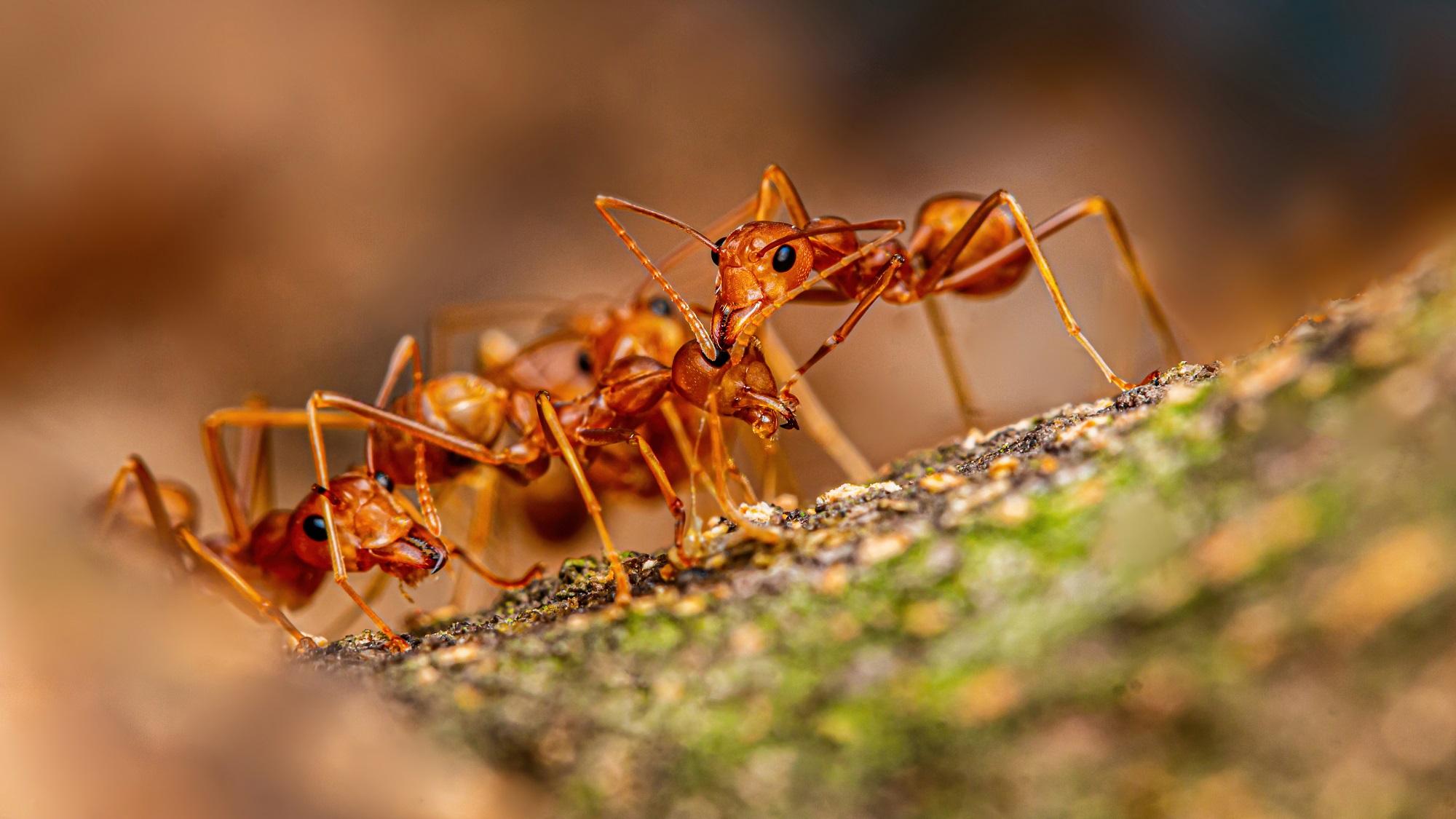
Why Treating Visible Pests is Not Enough to Stop a Recurring Infestation A pest treatment can reduce the number of […]
How Do Pest Control Specialists Determine Whether Recurring Activity Comes From a Breeding Site or New Pest Intrusion?
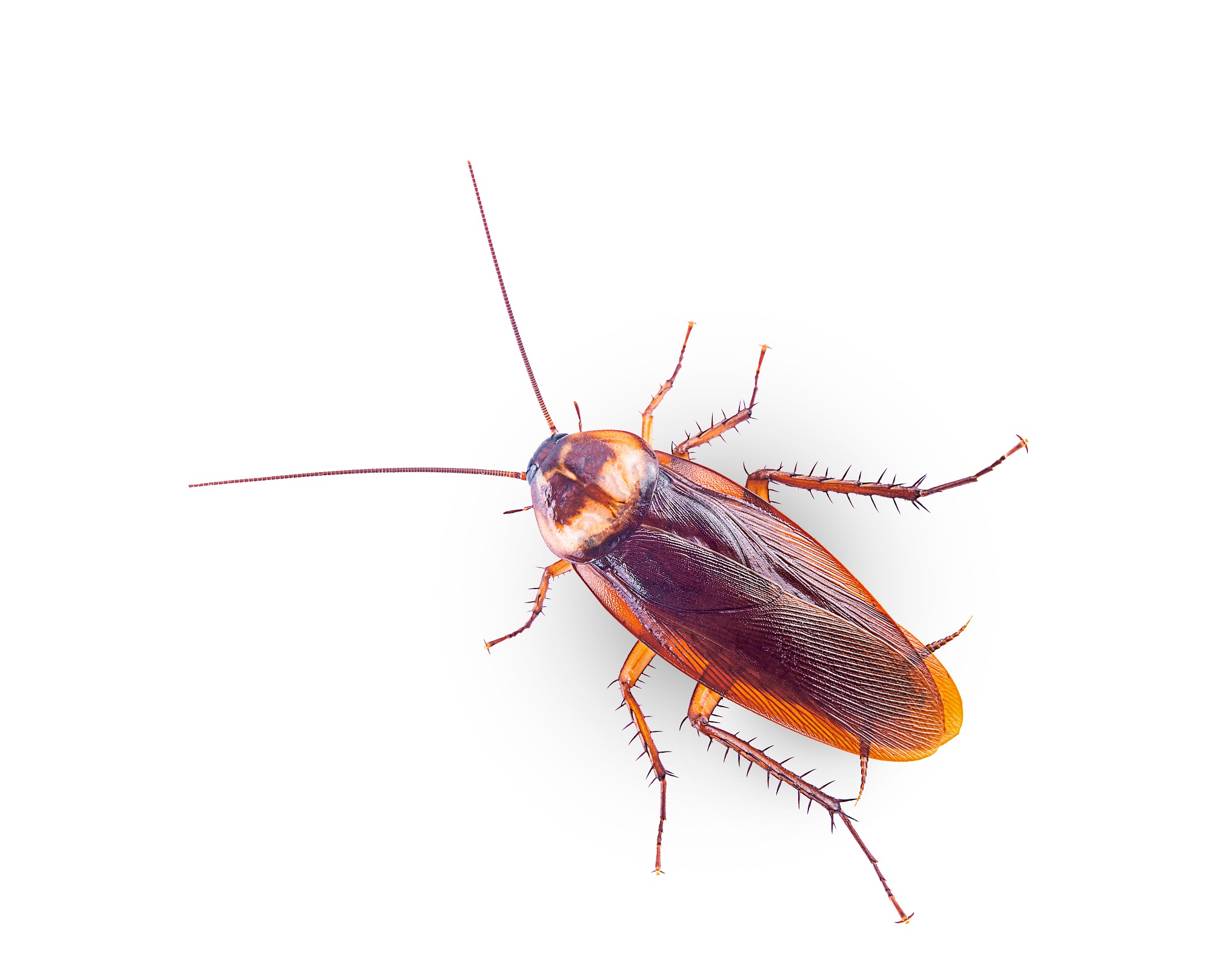
Reading the Evidence to Tell an Established Infestation from a Fresh Entry Recurring pest sightings do not always mean the […]
How Can Pest Control Professionals Trace an Infestation Through Wall Voids, Plumbing Lines, and Utility Penetrations?
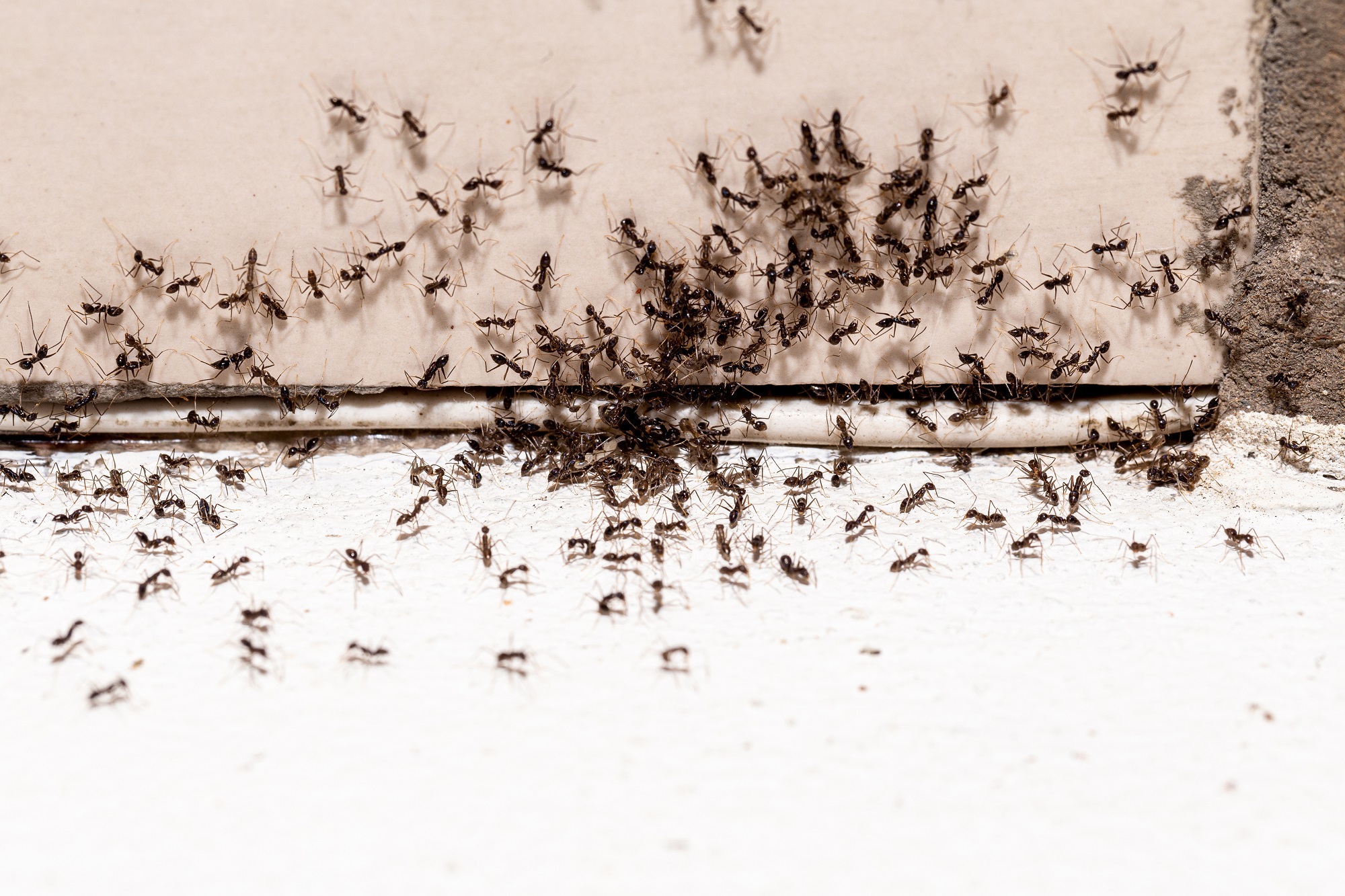
Following Hidden Pest Routes to Find Where an Infestation Begins and How it Spreads Pests rarely move through a building […]
When Should Pest Control Professionals Recommend Monitoring and Prevention Instead of Repeated Chemical Treatments?

When Ongoing Pest Activity Calls for a Different Strategy Repeated pesticide applications are not always the best answer to recurring […]
How Can Pest Control Strategies Differ Between Infestations Hidden Inside Insulation, Attics, Crawl Spaces, and Exterior Walls?
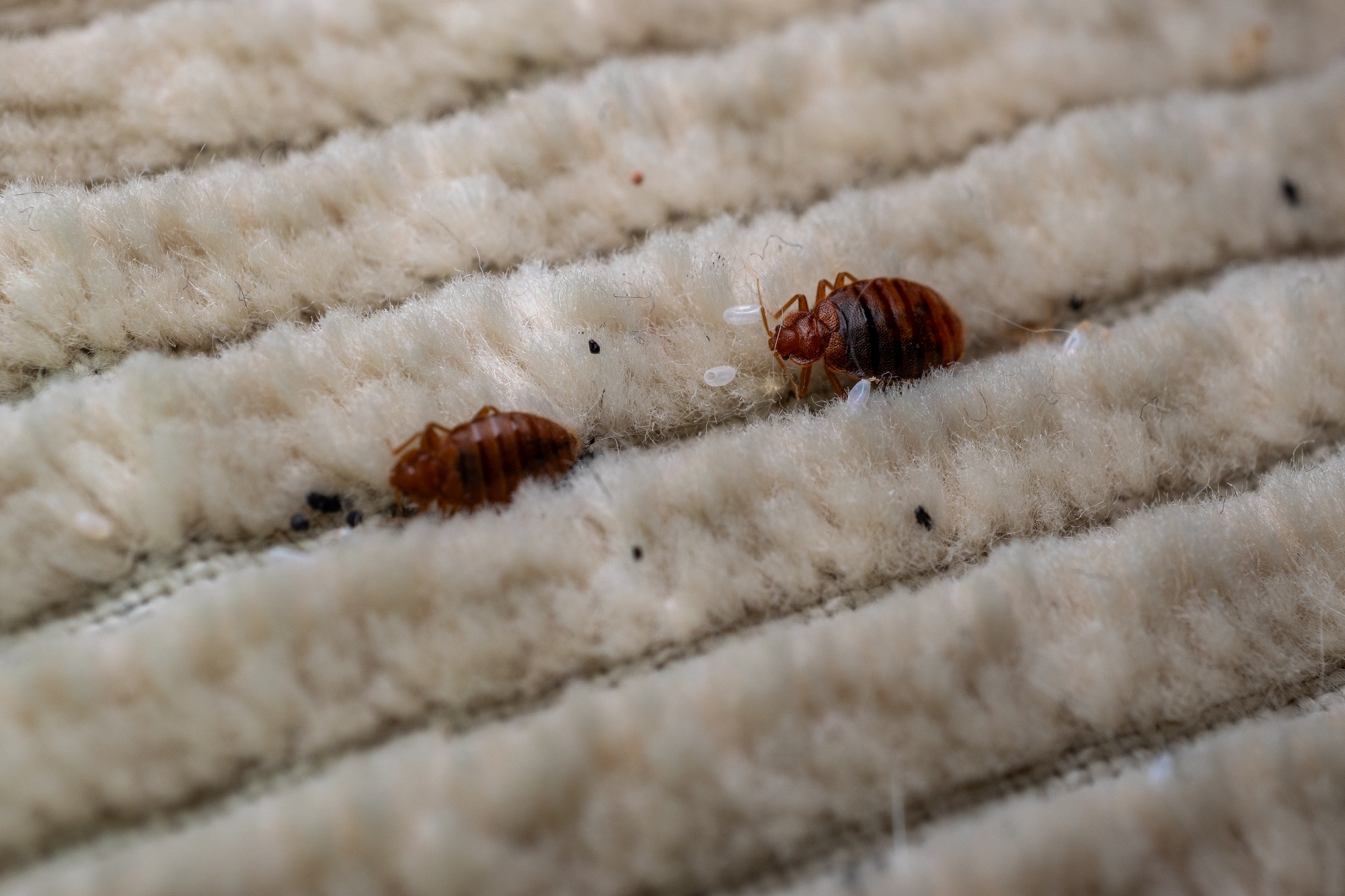
Why the Hidden Location of an Infestation Changes the Way It Should Be Treated Pests can remain active for weeks […]
What Property Conditions Can Cause Seasonal Pest Control Treatments to Lose Effectiveness Before the Next Service?
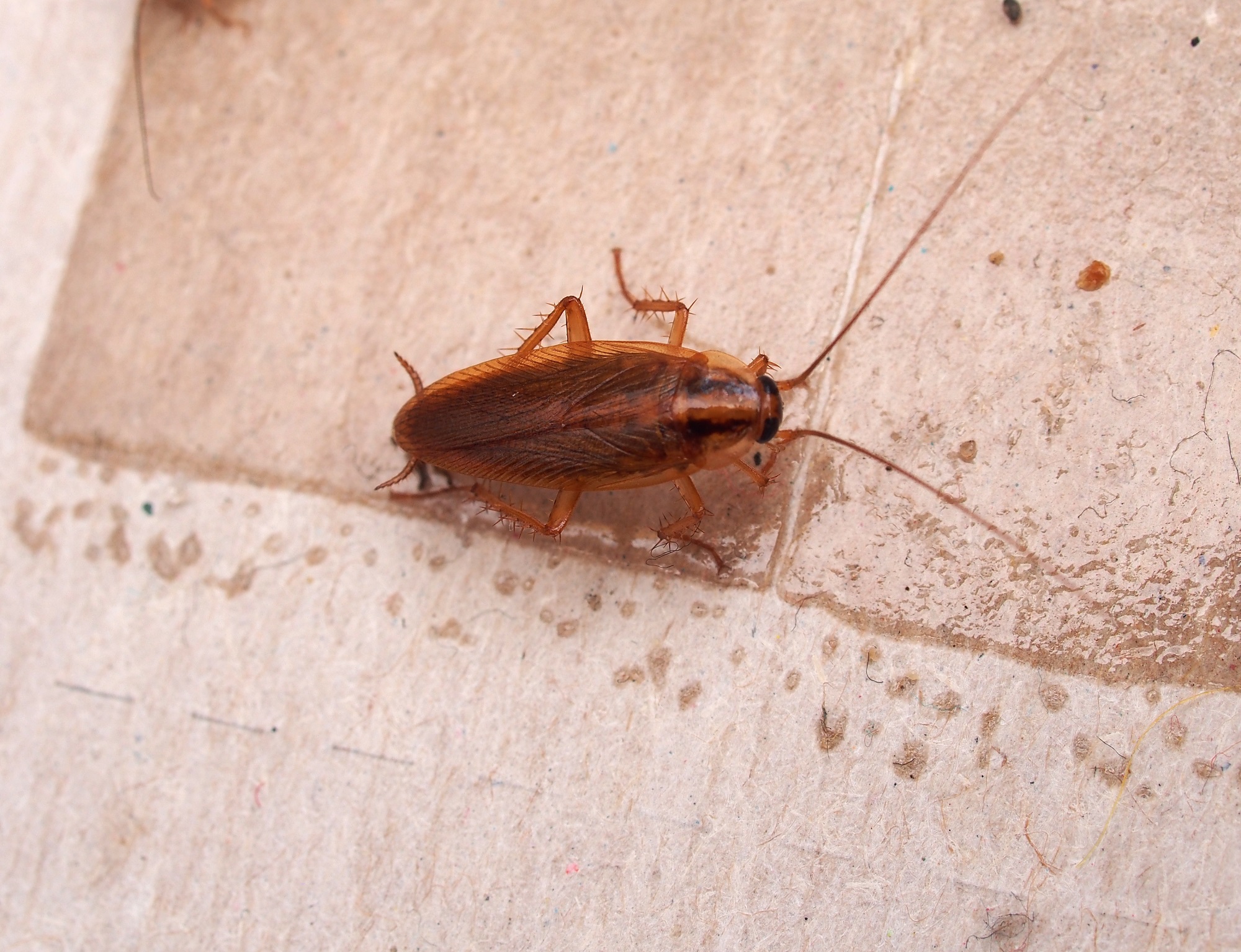
How Weather, Moisture, Landscaping, and Building Changes Can Reopen the Door to Pest Activity A seasonal pest treatment can reduce […]
How Often Should Sentricon Stations Be Inspected to Maintain Long-Term Termite Protection?
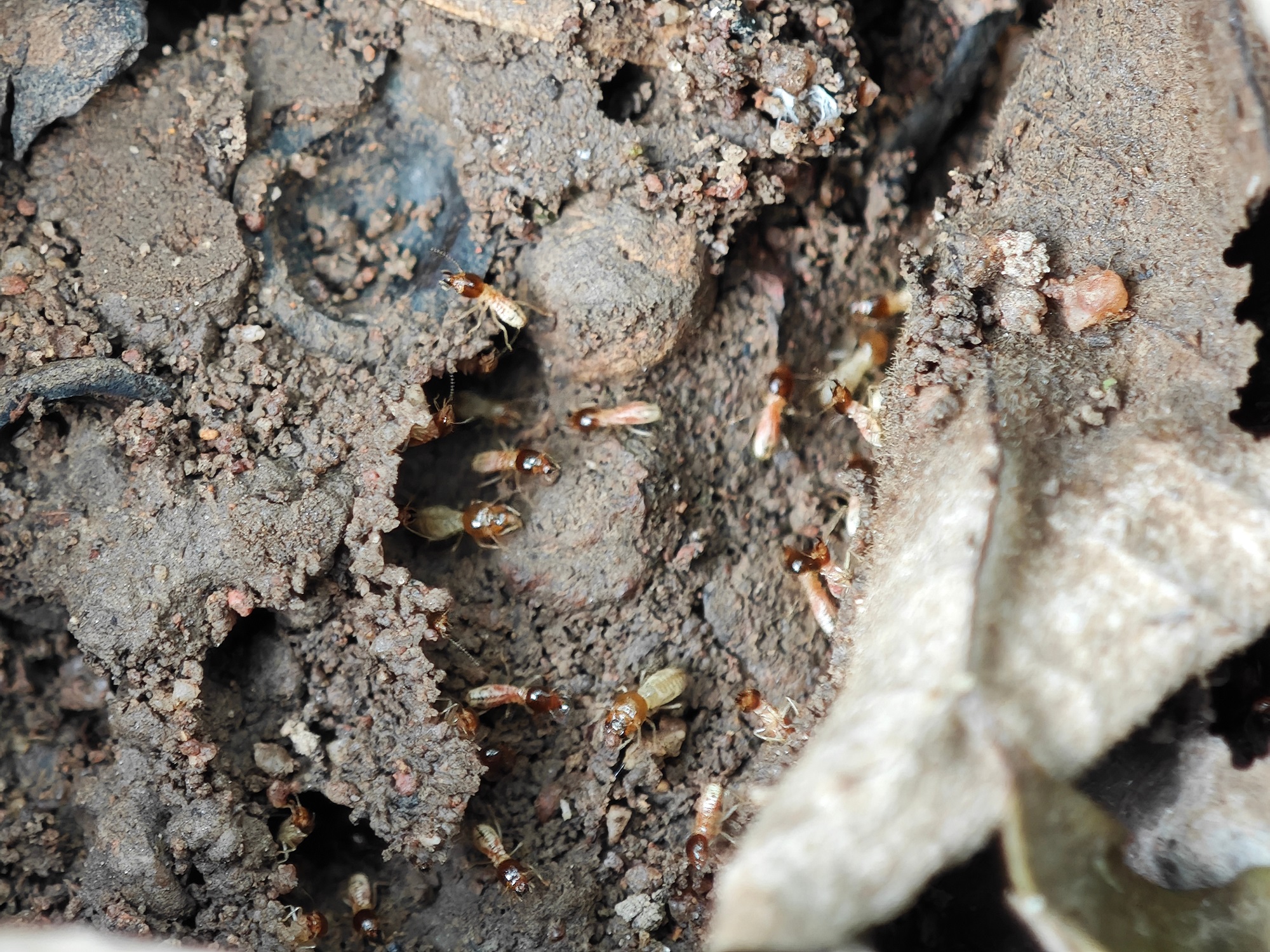
Why Regular Monitoring Matters Even When No Termites Are Visible Sentricon bait stations require ongoing monitoring to help manage subterranean […]
How Do Soil Conditions, Moisture Levels, and Landscaping Affect Sentricon Bait Station Performance?
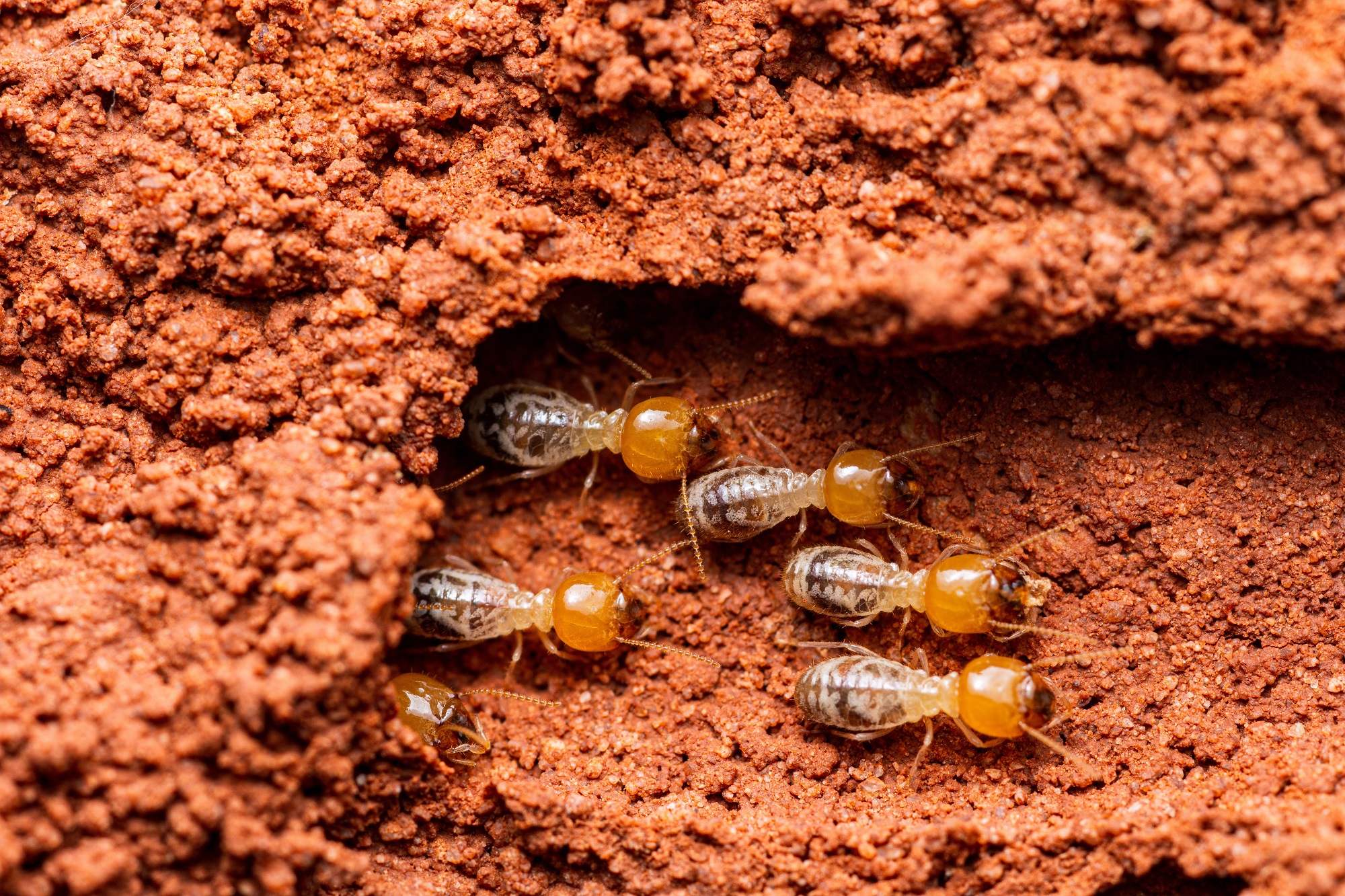
Why the Ground Around a Home Can Influence Termite Baiting Results Soil composition, moisture, and landscaping can all influence how […]
Can Sentricon Detect and Eliminate a Termite Colony Before Visible Structural Damage Occurs?
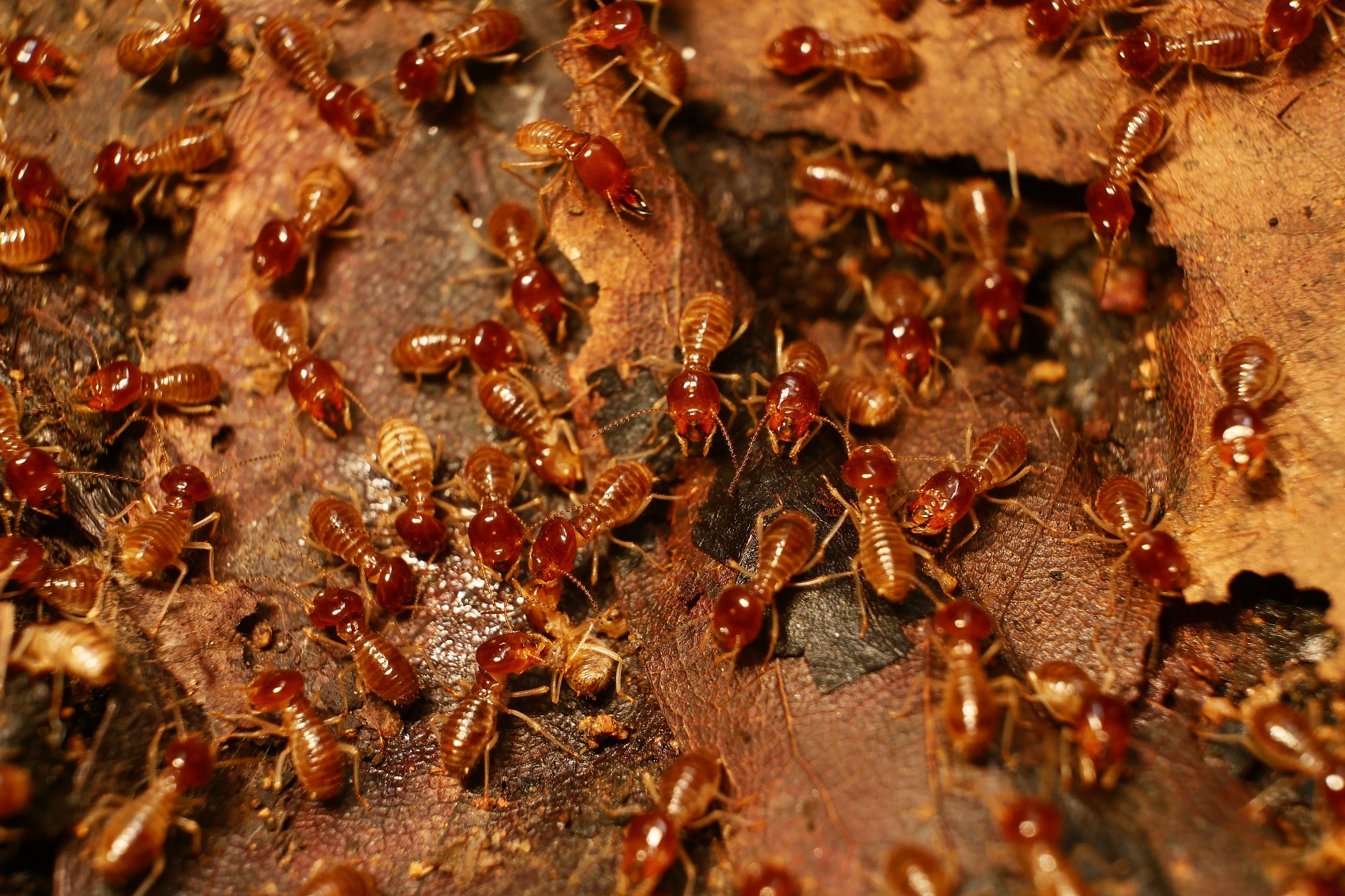
How Bait Stations Help Reveal Hidden Termite Activity Before It Becomes a Costly Problem Subterranean termites can feed inside wood […]
How Does Sentricon Compare With Liquid Termite Barriers When Protecting a Home’s Foundation?
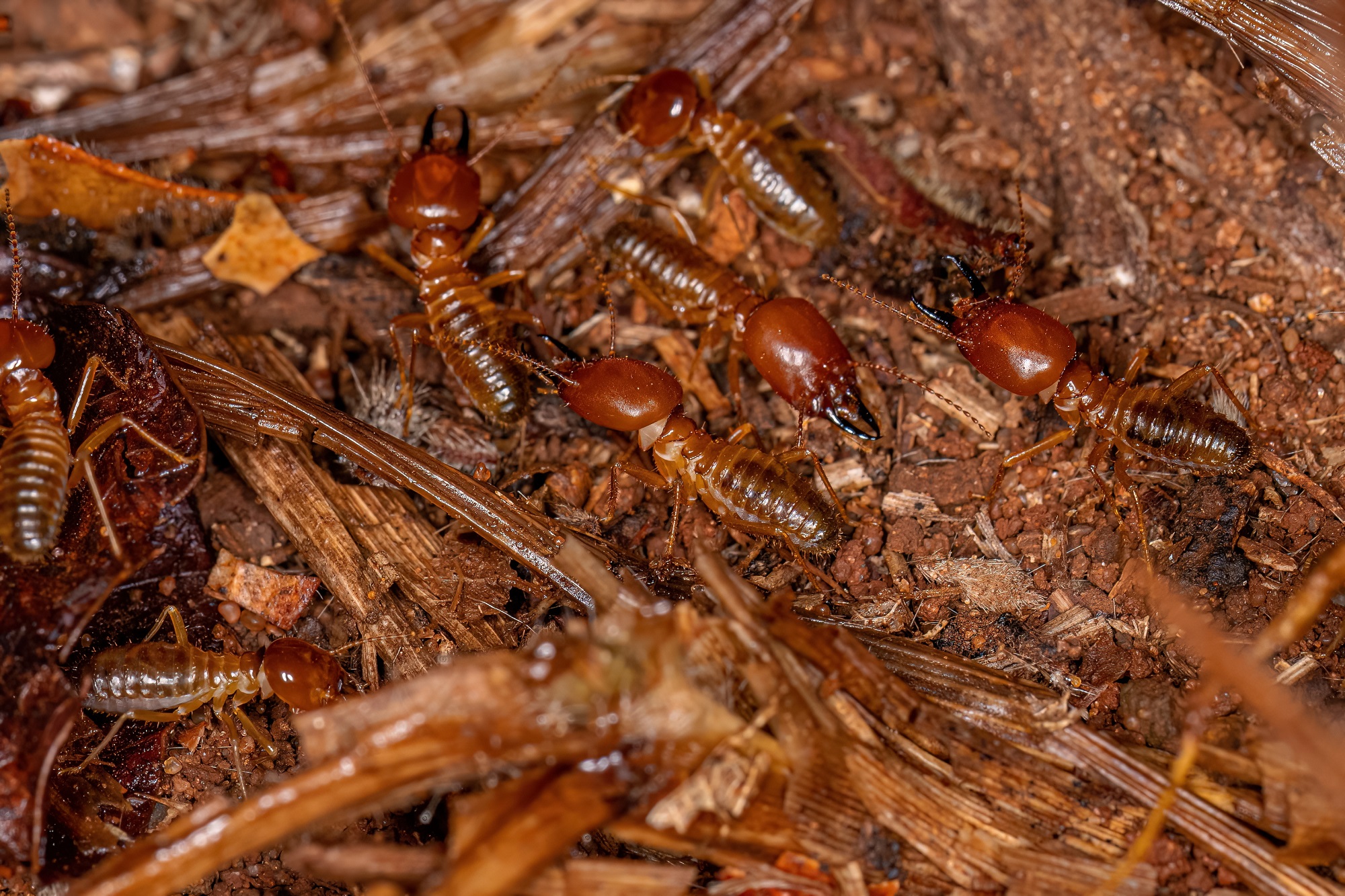
Colony-Targeting Bait or Treated Soil: Which Approach Fits a Home? Homeowners researching Sentricon in Portland OR often want to know […]
What Factors Can Prevent Sentricon Bait Stations from Effectively Controlling Subterranean Termites?
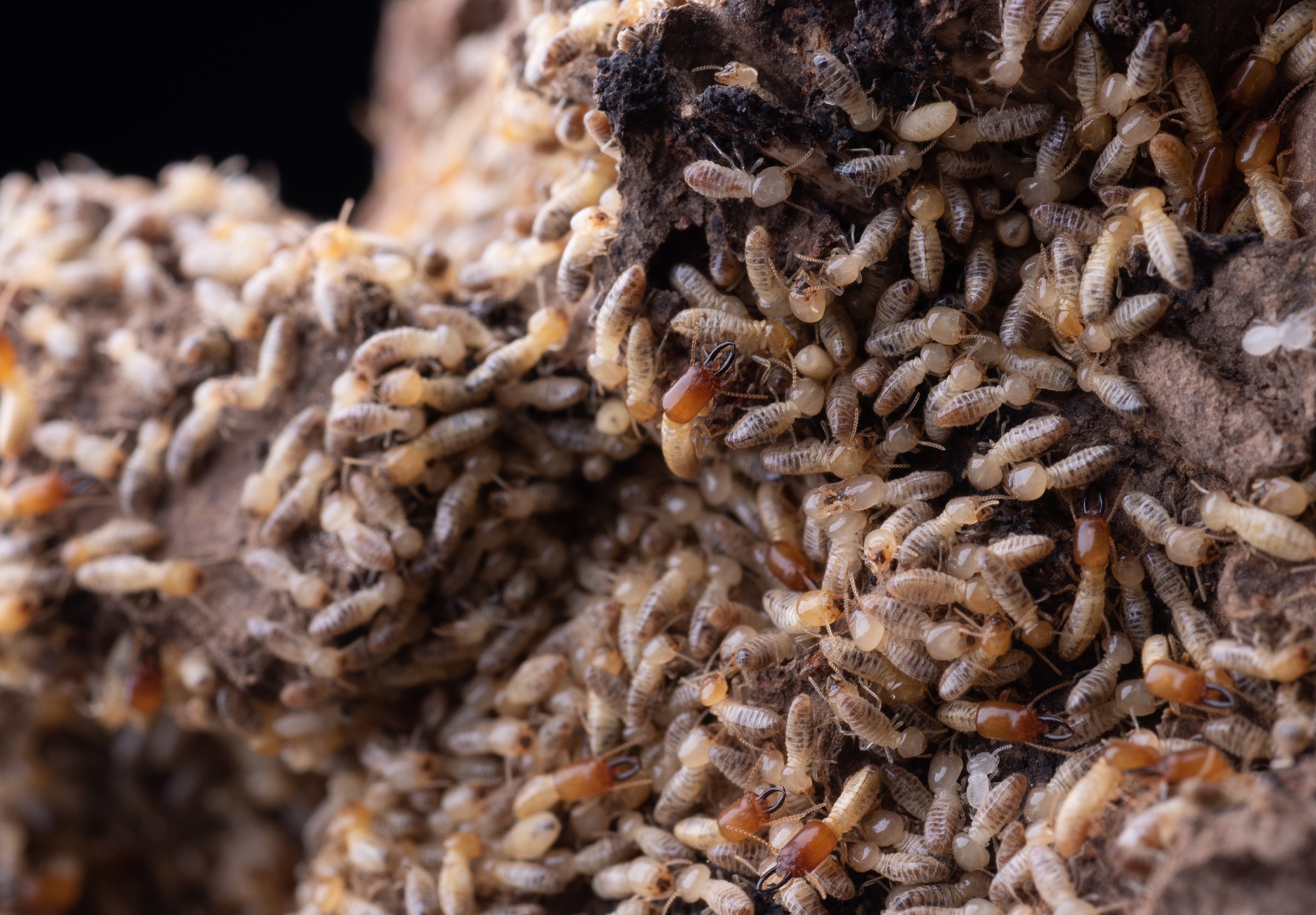
How Placement Errors, Environmental Conditions, and Missed Monitoring Affect Termite Control Sentricon bait stations are designed to eliminate subterranean termite […]
How Does Sentricon Eliminate Termite Colonies Without Extensive Chemical Treatment Around a Property?
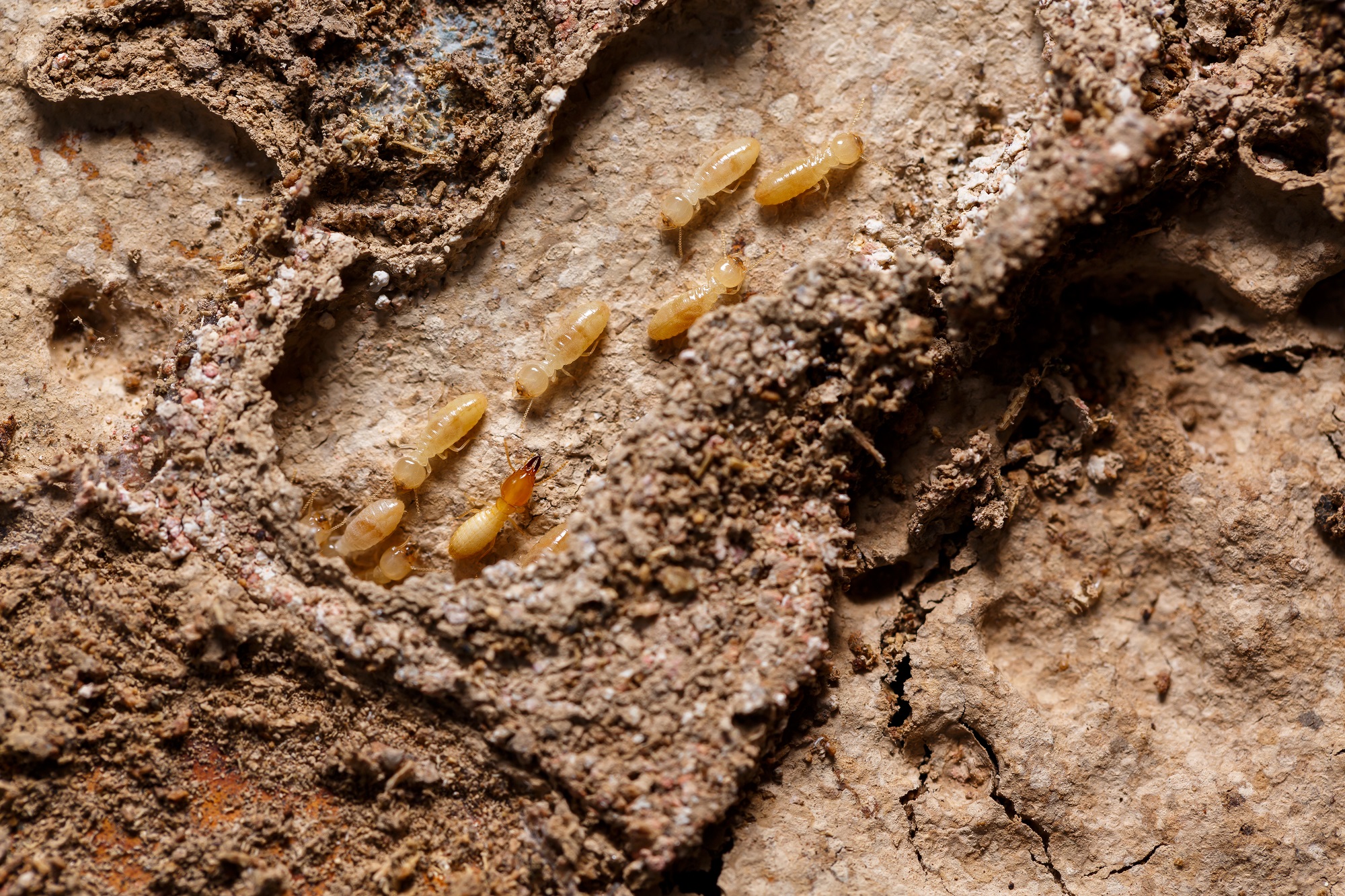
How Targeted Baiting Disrupts Termite Colonies While Limiting Soil Treatment Termites can damage wooden structures for months or years before […]