
Bed Bug and Pest Management Support for Beaverton Properties
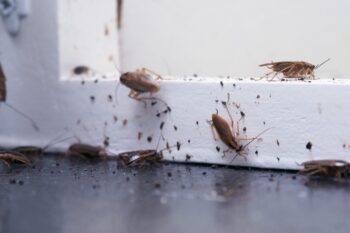
The Killers provides professional pest control for bed bugs and other common pest issues in Beaverton, OR. Our services support homeowners, landlords, property managers, and small-business owners who need an active infestation removed or want to reduce the risk of recurring activity. Beaverton’s dense residential neighborhoods, apartments, commercial centers, mature landscaping, and wet Pacific Northwest climate can create many opportunities for pests to enter and settle inside local buildings.
Nearly 100,000 people live in Beaverton, and the city recognizes 11 Neighborhood Association Committees covering areas such as Central Beaverton, Five Oaks/Triple Creek, Greenway, Highland, Sexton Mountain, South Beaverton, Vose, and West Beaverton. The variety of homes, multifamily properties, offices, restaurants, and retail spaces across these neighborhoods means that local pest control cannot rely on one standard application.
A pest problem in an apartment near Beaverton Central may require inspection of adjoining units and utility pathways. Rodent activity in a Sexton Mountain home may begin around a crawl space or roofline. Ants near Greenway or South Beaverton may be entering from irrigated landscaping or moisture around the foundation.
The Killers offers free pest inspections and develops a treatment plan based on the pest species, property type, access conditions, and extent of activity. Contact our team to schedule an inspection before a localized issue spreads into additional rooms or adjoining spaces.
Why Pest Issues Develop Across Beaverton Neighborhoods
Beaverton combines busy commercial corridors with established residential areas, parks, creeks, landscaped developments, and connected housing. These conditions provide pests with multiple sources of food, moisture, and shelter.
Wet weather can increase moisture around foundations, decks, crawl spaces, siding, and exterior wood. During colder periods, rodents and insects may move toward garages, attics, wall voids, and occupied rooms. Warmer conditions bring increased ant, flea, spider, bee, and wasp activity.
Common entry points and contributing conditions include:
- Damaged crawl-space vents and foundation screens
- Openings around plumbing, cables, and exterior utilities
- Gaps beneath doors or around garage entrances
- Tree limbs and shrubs touching roofs or siding
- Moisture beneath decks and around foundations
- Unsealed food, pet food, and accessible waste
- Shared walls and utility pathways in multifamily properties
- Stored materials placed against exterior walls
Properties near Southwest Canyon Road, Beaverton-Hillsdale Highway, Southwest Murray Boulevard, Farmington Road, and Southwest Hall Boulevard face different surroundings and building conditions. Commercial properties may experience activity associated with deliveries, waste areas, food storage, or frequent customer traffic. Residential neighborhoods near Commonwealth Lake Park, Greenway Park, or Fanno Creek may encounter outdoor pest pressure from vegetation and water.
The purpose of professional pest management is not simply to apply a product where an insect was seen. A technician should identify how the infestation developed, locate likely nesting or harborage areas, and select insect control treatments that reflect the pest’s behavior.
Treatment Plans for Common Beaverton Pest Problems
Bed Bugs in Homes, Apartments, and Rental Properties
Bed bugs may be introduced through travel, used furniture, visitors, shared laundry areas, or belongings moved from another infested property. Their presence is not necessarily related to cleanliness.
These pests hide in mattress seams, bed frames, upholstered furniture, baseboards, wall gaps, and electrical or utility penetrations. In multifamily buildings, they may also move between units through adjoining walls or shared service pathways.
Professional bed bug service begins with an inspection to establish which rooms or units are affected. Customers should receive clear preparation instructions before treatment. Depending on the infestation and building layout, available methods may include monitoring, focused product applications, follow-up inspections, or heat treatments.
Moving furniture into another room or discarding items without proper handling can spread activity. A coordinated extermination service gives occupants and property managers a clear sequence for preparation, treatment, and verification.
Ant Removal and Exterior Pest Activity
Ants commonly enter through foundation cracks, siding gaps, windows, door frames, and utility openings. An indoor trail may originate from a colony beneath landscaping, inside a wall, under a patio, or around moisture-damaged wood.
The technician should identify the ant species before recommending treatment. Different ants respond to different products and placement methods. Service may involve baiting, crack-and-crevice treatment, exterior applications, or attention to moisture and vegetation around the building.
Large ants appearing near decks, bathrooms, windows, or crawl spaces may indicate carpenter ant activity. These ants excavate damp or weakened wood to create nesting galleries. Removing visible workers without locating the colony may not deliver long-lasting results.
Rodent Removal and Structural Access Control
Mice and rats can enter through relatively small gaps around vents, pipes, rooflines, doors, and foundations. They may then travel through crawl spaces, attics, wall cavities, cabinets, and storage rooms.
Rodent service can include trapping, monitoring, sanitation recommendations, and identification of entry points. Exclusion work should be coordinated with the removal process so rodents are not sealed inside the structure.
Rental communities and commercial buildings may require inspection beyond the first room where droppings or noises were reported. Shared utility spaces, loading areas, dumpsters, storage rooms, and adjoining units may all influence the treatment plan.
Termite and Wood-Destroying Insect Services
Termites and other wood-destroying organisms may remain concealed while affecting structural materials. Warning signs can include mud tubes, discarded wings, softened wood, small holes, or unexplained debris near a foundation or crawl space.
A termite inspection should evaluate visible evidence, moisture conditions, soil contact, exterior wood, and accessible structural areas. Treatment options may include baiting, targeted applications, monitoring, and continued protection based on the findings.
The Killers offers termite services as part of its broader pest-control work. Its website also states that the company has Certified Sentricon Specialists available for termite protection.
General Insect, Bee, and Wasp Control
General insect control may address cockroaches, fleas, spiders, silverfish, beetles, moths, boxelder bugs, and other household pests. Treatments can include focused interior work, exterior perimeter service, monitoring, and practical prevention recommendations.
Bee or wasp removal becomes important when stinging insects establish a nest near an entrance, roofline, patio, playground, parking area, or frequently used walkway. Customers should not seal an active opening while insects are still entering and leaving. That may redirect them into a wall cavity or interior space.
Professional service considers the insect species, nest location, accessibility, and exposure risk before treatment or removal begins.
Why Beaverton Customers Choose an Experienced Pest Control Company

The Killers was founded in the spring of 1982 and has provided pest-control services for more than four decades. Its service history includes residential and commercial work throughout Oregon and Southwest Washington.
Technicians receive ongoing training and continued education in pest-management practices. This supports accurate identification, responsible product selection, clear preparation instructions, and service recommendations based on the property rather than a generic treatment routine.
Customers working with The Killers receive access to:
- Free pest inspections
- Residential and commercial pest control
- Customized treatment plans
- Ant, insect, rodent, and termite services
- Bee and wasp removal
- Satisfaction-backed pest-control service
- Warranty coverage through qualifying annual plans
- Return treatments at no additional charge for covered issues that persist between scheduled visits
The company is a BBB Accredited Business with an A+ rating. BBB records state that The Killers has been accredited since August 23, 1996.
Effective pest control also depends on communication. Customers should understand what was found, where treatment will occur, what preparation is required, and when follow-up may be needed. That clarity is particularly important for landlords and property managers coordinating service with tenants or multiple units.
Frequently Asked Questions About Beaverton Pest Control
Pest-control pricing in Beaverton, OR, depends on the pest species, the size and type of property, the number of affected rooms or units, and the treatment required. A localized ant issue generally costs less to address than rodents throughout a crawl space, bed bugs in multiple rooms, or termites affecting structural materials.
Accessibility can also influence the estimate. Activity inside wall voids, attics, confined crawl spaces, or difficult rooflines may require additional inspection and treatment time. Multifamily properties near Central Beaverton or Vose may need adjoining units evaluated, while a larger home near Sexton Mountain may have a more extensive exterior perimeter.
A free inspection gives the pest control company an opportunity to identify the problem and explain the available options. Customers should ask whether the price includes monitoring, follow-up visits, warranty coverage, and return treatment.
The lowest initial estimate may not produce the lowest total cost if the plan does not address the full pest life cycle or the conditions allowing activity to continue.
Heat treatments can be effective in some bed bug situations, but they are not automatically the correct choice for every property. The decision depends on the infestation’s extent, the building layout, preparation requirements, accessibility, adjoining rooms or units, and the other methods available.
In a Beaverton apartment or attached property, technicians may need to inspect neighboring units before determining the best approach. Bed bugs can hide in furniture, wall gaps, baseboards, and utility pathways. Treating one room without understanding the wider infestation may leave activity elsewhere.
A complete bed bug treatment plan may use heat, targeted product applications, monitoring devices, follow-up visits, or a combination of methods. Customers should ask how the provider will confirm which areas are affected and how results will be evaluated after service.
No method succeeds without proper preparation and cooperation. Occupants should follow instructions regarding clothing, bedding, furniture, clutter, and reentry rather than moving potentially infested items into untreated rooms.
Treatment frequency should be based on the pest pressure and property conditions rather than a fixed schedule applied to every building. An isolated wasp nest or minor insect issue may require one focused service. Recurring ants, rodents, spiders, or other seasonal pests may justify an ongoing protection plan.
Beaverton’s wet winters and landscaped neighborhoods can create shifting pest activity across the year. Moist conditions may increase rodent movement and insect sheltering, while warmer seasons often bring more ants, fleas, spiders, bees, and wasps.
Properties near Fanno Creek, Greenway Park, Commonwealth Lake, or heavily landscaped residential areas may experience continuing exterior activity. Commercial kitchens, rental properties, and multifamily buildings may also benefit from scheduled monitoring because pest introductions and access conditions can change frequently.
A technician should explain which pests are covered, how often service is recommended, what will be inspected, and whether interior treatment is performed only when needed. Qualifying plans from The Killers may include warranty protection and additional treatments for covered activity between scheduled visits.
A free pest inspection should begin with a discussion of what you have observed, where the activity occurs, and how long it has been happening. Photos, droppings, damaged materials, bites, insect specimens, or notes about the time of day can help guide the evaluation.
The technician may inspect foundations, exterior walls, doors, windows, rooflines, garages, crawl spaces, attics, plumbing areas, and rooms where activity was reported. In a commercial property or apartment building, the inspection may also include storage spaces, common areas, utility pathways, adjoining units, and waste areas.
Afterward, the technician should explain the likely pest, possible entry points, conducive conditions, and recommended treatment plan. The customer should understand preparation requirements, product placement, expected results, follow-up timing, and warranty terms before authorizing service.
In Beaverton, OR, customers should choose a provider that offers specific findings rather than an unexplained general application. The inspection is the foundation for selecting effective treatments and achieving long-lasting results.
Request a Free Pest Inspection in Beaverton
Pest issues can spread beyond the first room or entry point where they appear. The Killers provides bed bug treatment, ant removal, rodent control, termite services, general insect treatment, bee and wasp removal, and ongoing property protection throughout Beaverton, OR.
Contact The Killers to schedule a free pest inspection. Our team will evaluate the activity, explain the available treatment options, and create a practical plan for your home, rental property, or business.