
Pest Control Service for Camas Homes and Businesses
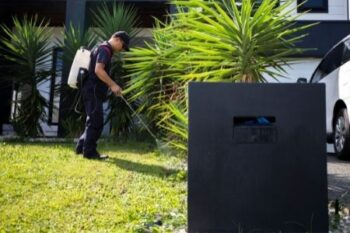
The Killers provides professional pest control service in Camas, WA, for homeowners, landlords, property managers, and small-business owners dealing with insects, rodents, termites, and other unwanted pests. Camas combines historic neighborhoods and busy commercial areas with newer hillside developments, mature trees, lakes, creeks, and extensive open spaces. These conditions can create different pest pressures from one part of the city to another.
A home near Lacamas Lake may encounter insects and rodents moving from nearby vegetation, while a newer property on Prune Hill may have pest activity around landscaping, utility penetrations, or unfinished entry points. Businesses in Downtown Camas and along Northwest 38th Avenue may need commercial pest control that accounts for deliveries, waste areas, shared walls, customer traffic, and storage practices.
The Killers provides free pest inspections to identify the pest, determine where activity is concentrated, and recommend a treatment plan suited to the building. Rather than relying on a general application, technicians evaluate how pests are entering, where they may be nesting, and which exterior conditions could allow the infestation to continue.
Contact The Killers to arrange an inspection for your Camas home, rental property, or business.
How Camas Landscapes and Weather Influence Pest Activity
Camas is part of Clark County and includes an extensive system of parks, trails, lakes, and open spaces. Lacamas Park contains hiking and biking trails, fishing access, grass areas, and natural surroundings beside Lacamas Lake. The city also maintains Fallen Leaf Lake Park, Heritage Park, Crown Park, Grass Valley Park, Prune Hill Sports Park, and the Washougal River Greenway Trail.
These areas contribute to the city’s character, but they also provide outdoor habitat for insects, rodents, and wildlife. Pests do not remain limited to undeveloped spaces. Seasonal weather, food availability, moisture, and construction gaps can bring them closer to occupied buildings.
Wet Pacific Northwest conditions may contribute to:
- Damp crawl spaces and foundation areas
- Moisture around decks, siding, and exterior trim
- Rodents seeking dry shelter in garages and attics
- Carpenter ants nesting near weakened or damp wood
- Spiders and silverfish moving into protected spaces
- Termite activity remaining concealed below or within a structure
Warmer weather can increase ant activity, flea problems, stinging-insect nests, and other seasonal pest infestations. Homes near Northeast Everett Street, Northwest Lake Road, Northwest Brady Road, and the wooded slopes around Lacamas Lake may experience different exterior pressures from properties closer to Downtown Camas or the industrial areas near the Columbia River.
An effective pest control company should evaluate both the building and its surroundings. Landscaping against exterior walls, tree limbs overhanging a roof, damaged crawl-space screens, and gaps around pipes or cables can all create usable entry points.
Pest Treatments Matched to the Problem
When Ant Activity Continues After Cleaning
Ant problems often become noticeable when workers establish a route between an outdoor colony and a source of food or moisture indoors. Ant activity may appear around kitchen counters, sinks, windows, bathrooms, foundations, or wall gaps.
Professional ant removal starts with identification. Different species have different feeding habits, nesting locations, and responses to treatment. Technicians may inspect exterior walls, landscaping, plumbing routes, crawl spaces, decks, and areas where trails disappear into the structure.
Carpenter ants require particular attention when large ants repeatedly appear near damp wood, window frames, roof leaks, decks, or crawl spaces. These ants do not consume wood like termites, but they can excavate nesting galleries inside softened or damaged materials.
Treatment may include baiting, targeted interior service, exterior applications, moisture recommendations, and preventative treatments around identified entry areas. Spraying the ants visible on a counter may reduce activity temporarily without reaching the colony.
When Bed Bugs Affect an Occupied Property
Bed bugs may be introduced through travel, used furniture, visitors, shared laundry areas, or belongings moved from another infested location. Their presence is not necessarily related to sanitation.
These insects can hide in mattress seams, bed frames, upholstered furniture, baseboards, wall penetrations, and nearby rooms. In apartments, hotels, assisted-living settings, and other connected properties, they may also spread through adjoining walls or shared spaces.
Professional bed bug service begins with a detailed inspection and preparation instructions. Depending on the extent of activity and the layout of the property, the treatment plan may involve monitoring, targeted products, follow-up appointments, heat treatments, or a combination of methods.
Customers should avoid moving furniture into another room before receiving instructions. Relocating affected items can spread bed bugs into spaces that were previously clear.
When Rodents Find a Route Indoors
Mice and rats may enter through damaged vents, gaps beneath garage doors, roof intersections, utility openings, crawl-space access points, and openings around foundations. Once inside, they can contaminate stored materials, damage insulation, and chew wiring or other building components.
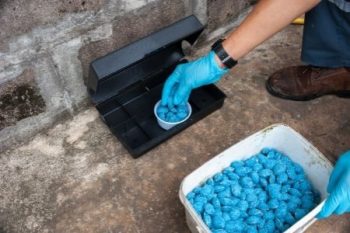
Rodent control may include trapping, monitoring, sanitation recommendations, and identification of structural repairs. The technician should also determine whether rodents remain inside before the customer completes extensive sealing work.
Camas properties near greenbelts, creeks, or wooded hillsides may experience continued outdoor rodent pressure even after the indoor population is controlled. Preventative measures can include securing food and waste, trimming vegetation, repairing vents, and addressing openings around the roofline and foundation.
Commercial pest control may require additional inspection of loading areas, employee break rooms, waste containers, stockrooms, and utility spaces.
When Termites or Wood-Destroying Pests Are Suspected
Termites can remain concealed while causing damage within structural materials. Possible signs include mud tubes, discarded wings, weakened wood, small holes, or unexplained debris near foundations and crawl spaces.
A professional termite inspection should evaluate accessible wood, moisture conditions, soil contact, exterior construction, and areas where activity has been reported. Treatment may include baiting, targeted products, monitoring, or continued protection based on the findings.
Washington regulates structural pest inspections and pesticide-related work through the Washington State Department of Agriculture. Property owners should work with qualified professionals who can explain their credentials, inspection findings, treatment products, and follow-up procedures.
The Killers also has Certified Sentricon Specialists available for termite protection.
When Bees or Wasps Nest Near Active Areas
Bee and wasp removal may be necessary when stinging insects establish a nest near an entry, patio, roofline, play area, business entrance, or frequently used walkway.
Customers should avoid sealing an active opening while insects are still traveling through it. Doing so can redirect them into a wall cavity or occupied area. Attempting to knock down a difficult nest can also increase the risk of stings.
Professional service considers the species, nest location, accessibility, and risk to occupants. Treatment may include direct nest service, removal when practical, and recommendations for closing the opening after activity has stopped.
When General Insects Spread Through the Property
General insect control may address cockroaches, spiders, fleas, silverfish, beetles, moths, boxelder bugs, and other common pests. The treatment method depends on where the insects are breeding and whether activity is originating indoors or outside.
A service plan may include:
- Targeted crack-and-crevice applications
- Exterior perimeter treatment
- Monitoring and follow-up
- Web or accessible nest removal
- Moisture and sanitation recommendations
- Preventative treatments for recurring seasonal activity
The objective is to address the infestation while reducing the conditions that allow pests to return.
Regional Experience With a Focus on Clear Customer Service
The Killers was founded in the spring of 1982 and has provided pest-control services for more than four decades. The company serves residential and commercial customers throughout Oregon and Southwest Washington.
Technicians receive ongoing training and continued education in pest-management practices. This supports accurate identification, appropriate treatment selection, clear preparation instructions, and service recommendations based on the pest and property.
Customers working with The Killers receive access to:
- Free pest inspections
- Residential and commercial pest control
- Ant, rodent, termite, and general insect treatments
- Bed bug service
- Bee and wasp removal
- A satisfaction guarantee on pest-control services
- Warranty coverage through qualifying annual plans
- Return treatments at no additional charge when covered issues persist between scheduled visits
The Killers is a BBB Accredited Business with an A+ rating and has maintained accreditation since August 23, 1996.
A reliable pest control company should also communicate clearly. Customers should understand which pest was identified, where activity was found, what areas will be treated, how to prepare, and whether follow-up service is expected.
Frequently Asked Questions About Pest Control in Camas
Pest-control pricing in Camas, WA, depends on the pest, property size, affected areas, accessibility, and treatment method. A localized ant trail generally requires a different service plan than rodents throughout a crawl space, bed bugs in several rooms, or termites affecting structural materials.
Property layout can also influence the price. Larger homes on Prune Hill, hillside properties near Lacamas Lake, and commercial buildings near Downtown Camas may have different inspection requirements. Activity inside an attic, wall void, confined crawl space, or difficult roofline may require additional time.
A free inspection provides the clearest basis for an estimate. The technician can identify the pest, inspect likely nesting and entry areas, and explain whether one-time treatment or an ongoing plan offers better value.
Ask whether the estimate includes monitoring, follow-up visits, warranty coverage, and return treatment. A lower initial price may not represent the full cost when additional service is needed to complete the pest’s life cycle or address recurring activity.
Preventative treatments may be useful when a property experiences recurring ants, spiders, rodents, wasps, or other seasonal pests. Homes near Lacamas Lake, Fallen Leaf Lake, Lacamas Creek Trail, and wooded sections of Northeast Camas may experience consistent exterior pest pressure because vegetation, water, and natural habitat remain nearby. Camas maintains numerous parks and trails around these areas, including Lacamas Park and the Washougal River Greenway Trail.
Ongoing service does not mean that every interior room must be treated during each visit. A plan may focus on exterior monitoring, perimeter applications, common entry points, and targeted interior work only when activity is present.
Preventative service can be especially valuable when the property has a history of carpenter ants, rodents, or seasonal stinging insects. Qualifying annual plans from The Killers may include warranty protection and return treatments when covered issues continue between scheduled appointments.
The inspection should determine whether recurring service is justified and how frequently it should occur.
Carpenter ants and termites can both be associated with damaged wood, but they behave differently. Carpenter ants excavate wood to create nesting galleries, while termites consume cellulose. Large ants, sawdust-like material, or activity around damp wood may indicate carpenter ants. Mud tubes, discarded wings, and concealed structural weakening may suggest termites.
In Camas, wet Pacific Northwest weather can contribute to moisture around decks, window frames, siding, crawl spaces, and roof intersections. These conditions may make wood more vulnerable to pest activity.
Do not rely on appearance alone. Flying ants and termite swarmers can be confused, particularly when insects gather near windows during seasonal activity. A qualified technician can inspect the insects, evaluate the damaged area, and determine what type of treatment is appropriate.
Prompt identification is important because ant and termite treatment methods are not interchangeable. The inspection may also uncover a leak, drainage issue, or ventilation problem that should be corrected to improve long-term protection.
Heat treatments can be effective in some bed bug situations, but they are not automatically necessary for every infestation. The appropriate method depends on the number of affected rooms, property layout, preparation requirements, accessibility, and whether adjoining units or spaces are involved.
In a Camas apartment, rental property, or connected residential building, technicians may need to inspect neighboring areas before finalizing the treatment plan. Bed bugs can hide in furniture, baseboards, wall gaps, utility penetrations, and belongings.
A complete plan may involve heat, targeted product applications, monitoring devices, follow-up visits, or a combination of methods. Customers should ask how the provider will determine which rooms require treatment and how the results will be verified.
Occupant preparation is also important. Clothing, bedding, furniture, and personal belongings must be handled according to instructions so bed bugs are not moved into untreated areas.
A free pest inspection should begin with a discussion of what you have observed, where the activity occurs, and how long it has been happening. Photos, droppings, damaged wood, bites, insect specimens, or notes about the time of day can help guide the technician.
The inspection may include the foundation, exterior walls, doors, roofline, crawl-space vents, garage, attic, plumbing areas, landscaping, and rooms where activity has been reported. Commercial properties may also require evaluation of stockrooms, kitchens, loading areas, waste containers, and shared utility spaces.
After the inspection, the technician should explain the likely pest, possible entry points, conducive conditions, and recommended treatment plan. Customers should understand preparation steps, expected results, follow-up timing, safety instructions, and warranty terms before authorizing service.
For properties in Camas, WA, the most useful inspection is one that produces specific findings rather than an unexplained general application.
Schedule a Free Pest Inspection in Camas
Pest infestations are easier to manage when the source is identified before activity spreads. The Killers provides ant removal, bed bug service, rodent control, termite protection, general insect treatment, bee and wasp removal, and preventative pest control throughout Camas, WA.
Contact The Killers to schedule a free pest inspection. Our team will evaluate the activity, explain the available options, and recommend a practical treatment plan for your home, rental property, or business.