
Pest Management Across Clark County’s Diverse Communities
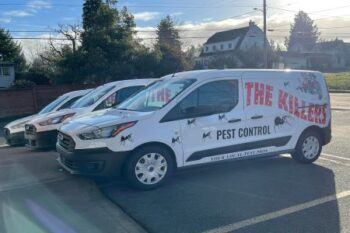
The Killers provides professional pest control for every type of household pest, from a bed bug infestation in Clark County, WA, to rodents, ants, termites, bees, wasps, and insects affecting homes and businesses. We serve homeowners, landlords, property managers, and small-business owners who need a clear diagnosis, practical treatment options, and dependable support after the initial service.
Clark County is not a single uniform market. It includes the urban neighborhoods of Vancouver, growing communities such as Camas, Washougal, Battle Ground, and Ridgefield, established suburban areas like Hazel Dell and Salmon Creek, and rural properties extending toward Brush Prairie, Hockinson, Amboy, and Yacolt. A treatment that makes sense for an apartment near central Vancouver may not address the conditions surrounding an acreage with barns, sheds, animal feed, and wooded boundaries.
The county’s network of parks, trails, recreation areas, and natural spaces also places many properties close to vegetation, waterways, wetlands, and wildlife habitat. Clark County describes its park system as an interconnected collection of parks, trails, recreation facilities, and natural areas serving communities throughout the region.
The Killers begins with a free inspection to determine what pest is present, where activity is concentrated, and how it may be entering. From there, our technicians recommend a pest management approach based on the structure, surrounding property, infestation level, and customer’s long-term concerns.
Different Parts of Clark County Face Different Pest Pressures
A pest infestation often reflects the conditions around the building as much as what is happening indoors. Properties near streams, greenways, wooded corridors, farmland, commercial districts, and dense residential development may each experience different patterns of activity.
Homes near Klineline Pond, Salmon Creek Greenway, Lewisville Regional Park, Lacamas Lake, or the Ridgefield National Wildlife Refuge may encounter persistent exterior pressure from insects and rodents living in nearby habitat. Rural properties around Brush Prairie, Hockinson, Amboy, and northern Clark County may include multiple structures, woodpiles, fields, animal enclosures, and stored feed that require a wider inspection.
Urban and commercial properties face another set of risks. Restaurants, retail spaces, offices, warehouses, apartments, and multifamily communities may be affected by:
- Shared walls and utility pathways
- Frequent deliveries and occupant turnover
- Loading areas and waste containers
- Food storage and employee break rooms
- Gaps around plumbing, electrical lines, and ventilation
- Activity spreading between neighboring units
The Pacific Northwest climate influences pest behavior throughout the year. Prolonged rain can increase moisture in crawl spaces, beneath decks, around foundations, and inside damaged exterior wood. Cooler weather may push rodents toward garages, attics, wall cavities, and occupied rooms. Warmer periods commonly increase ant trails, flea activity, bee and wasp nesting, and the movement of other household pests.
Conditions that commonly deserve attention include:
- Damaged foundation screens or crawl-space vents
- Openings around pipes, cables, and utility penetrations
- Gaps beneath exterior or garage doors
- Tree limbs and shrubs touching a structure
- Firewood or stored materials beside exterior walls
- Pet food, birdseed, livestock feed, and accessible waste
- Leaking plumbing or poor drainage
- Cluttered sheds, garages, and storage areas
Identifying these conditions does not replace treatment, but it helps explain why activity developed and what can reduce the chance of recurrence.
Pest Control Services Based on the Type of Infestation
Ant Removal for Indoor Trails and Exterior Colonies
Ants may enter through foundation cracks, window gaps, siding joints, plumbing routes, and other small openings. The workers visible on a counter can belong to a colony located beneath landscaping, inside a wall, under concrete, or near moisture-damaged wood.
Professional ant control begins with species identification. Odorous house ants, pavement ants, and carpenter ants have different nesting and feeding habits. A technician may inspect active trails, exterior foundations, crawl spaces, decks, plumbing areas, vegetation, and suspected nesting locations.
Treatment may include baiting systems, targeted interior applications, exterior service, and recommendations for reducing moisture or access. Spraying only the visible ants may interrupt a trail without reaching the colony.
Rodent Control and Entry Point Sealing
Mice and rats can enter through damaged vents, garage gaps, roof intersections, utility openings, and foundation cracks. Once indoors, they may contaminate stored materials, damage insulation, chew wiring, and nest in hidden areas.
Rodent control can involve trapping, monitoring, baiting systems where appropriate, sanitation guidance, and identification of active entry routes. Entry point sealing should be coordinated with the removal process. Closing the primary opening too soon can trap rodents inside or cause them to create another route.
Rural and semi-rural properties may require inspection of barns, sheds, workshops, feed-storage areas, and detached garages. Multifamily buildings may require evaluation of shared utility spaces and adjoining units.
Bed Bug Treatment for Homes and Managed Properties
Bed bugs may be introduced through travel, used furniture, visitors, rental turnover, shared laundry spaces, or belongings moved from an affected property. Their presence is not necessarily connected to poor sanitation.
These pests hide in mattress seams, furniture joints, baseboards, wall gaps, and nearby rooms. In apartments, hotels, assisted-living environments, and other connected properties, activity may extend beyond the first room where evidence appears.
A professional bed bug treatment starts with an inspection and preparation instructions. Available treatment options may include monitoring, targeted product applications, follow-up visits, heat-based methods, or a combination selected for the property.
Moving furniture between rooms before receiving instructions can spread activity and make the infestation more difficult to contain.
Termite Services and Wood-Destroying Pest Inspections
Termites and other wood-destroying organisms can remain concealed while affecting structural materials. Warning signs may include mud tubes, discarded wings, small holes, softened wood, or unexplained debris around foundations and crawl spaces.
Professional service may include inspection, baiting systems, targeted termite control, monitoring, and ongoing protection. The appropriate method depends on the insect involved, the construction, the location of activity, and moisture conditions.
Washington requires specific credentials for complete wood-destroying-organism inspections. Inspectors must hold the appropriate Structural Pest Inspector endorsement and work through a properly licensed and insured company.
Bee, Wasp, and General Insect Removal
Bee and wasp service may be needed when stinging insects build near a doorway, patio, playground, roofline, storefront, barn, or frequently used walkway. Customers should avoid sealing an active opening while insects are still traveling through it, since this may redirect them into a wall cavity or occupied room.
General insect control may address cockroaches, spiders, fleas, silverfish, moths, beetles, boxelder bugs, and other household pests. Depending on the infestation, treatment may involve focused interior service, exterior perimeter applications, monitoring, and practical sanitation or moisture recommendations.
Regional Pest Experience With Reliable Follow-Through
The Killers was founded in the spring of 1982 and has provided pest control for more than four decades. The company serves residential and commercial customers throughout Oregon and Southwest Washington and maintains a Vancouver service presence for customers north of the Columbia River.
Technicians receive ongoing training and continued education in pest management practices. This supports accurate identification, responsible product selection, careful placement, and treatment recommendations based on the pest and property rather than a one-size-fits-all routine.

Customers working with The Killers receive access to:
- Free pest inspections
- Residential and commercial pest control
- Ant, insect, rodent, and termite services
- Bee and wasp removal
- Property-specific treatment options
- A satisfaction guarantee on pest control services
- Warranty coverage through qualifying annual plans
- Return treatments at no additional charge for eligible recurring issues
Washington also places additional licensing, insurance, and reporting requirements on commercial applicators and structural pest inspectors. These standards help customers distinguish professional providers from unqualified operators.
Frequently Asked Questions About Clark County Pest Control
Pest-control pricing in Clark County, WA, depends on the pest species, property size, infestation level, accessibility, and treatment method. A localized ant trail in a Vancouver kitchen generally requires a different plan than rodents moving between several Brush Prairie outbuildings, bed bugs affecting a multifamily property, or termites beneath a crawl space.
The property layout can also influence the inspection. Larger rural parcels may include barns, workshops, sheds, animal-feed areas, and detached garages. Commercial properties may require evaluation of loading areas, stockrooms, kitchens, waste zones, and shared utility spaces.
A free inspection provides the clearest basis for an estimate. The technician can identify the pest, evaluate likely nesting and entry areas, and explain whether one-time treatment or recurring service is more appropriate.
Customers should ask whether the estimate includes monitoring, follow-up visits, warranty coverage, and return treatment. A low initial price may not represent the full cost if additional visits are required to address the pest’s complete life cycle.
Most recurring rodent problems benefit from exclusion, but entry point sealing should occur at the correct stage of the control process. If mice or rats remain inside, closing the main route immediately can trap them in the building or cause them to create another opening.
A technician may first inspect crawl-space vents, garage doors, roof intersections, foundations, plumbing routes, and utility penetrations. Trapping, monitoring, or baiting systems may then be used as appropriate. Once active movement has been reduced and the primary routes are understood, sealing can help prevent new rodents from entering.
The approach may differ across Clark County. A Hazel Dell home may have one damaged vent, while an Amboy acreage could have several structures and multiple exterior sources of pressure.
Customers can support the process by securing food, cleaning spilled feed, managing vegetation, and reducing clutter. The strongest results usually come from combining removal, sanitation, monitoring, and properly timed repairs.
Bed bug treatment options may include targeted product applications, monitoring devices, heat-based treatments, follow-up inspections, or a coordinated combination of methods. The appropriate choice depends on the number of affected rooms, building layout, level of infestation, preparation requirements, and whether adjoining spaces may also be involved.
In Clark County apartments, hotels, rental properties, or assisted-living environments, inspection may need to extend beyond the first room where activity was reported. Bed bugs can hide in furniture, baseboards, wall gaps, utility penetrations, and personal belongings.
No method works well when preparation instructions are ignored. Occupants may need to manage clothing, bedding, clutter, furniture, and personal items according to a detailed plan.
Customers should ask how the provider identifies affected areas, what preparation is required, how results will be measured, and whether follow-up visits are included. The goal is not only to complete an initial treatment, but also to confirm that activity has been controlled.
Professional service is appropriate when activity keeps returning, the pest cannot be confidently identified, several rooms or structures are affected, or the infestation involves rodents, bed bugs, termites, cockroaches, or stinging insects near an active area.
Do-it-yourself products may reduce visible activity without reaching a concealed colony, nest, or breeding area. Misapplied treatments can also scatter certain pests or create unnecessary exposure.
Clark County properties near parks, waterways, farms, wooded areas, and dense commercial corridors can face continued exterior pressure. A technician can evaluate the structure and surrounding conditions, identify the pest, and explain whether treatment should include interior service, exterior applications, monitoring, baiting systems, or exclusion.
Call promptly when you find droppings, mud tubes, repeated ant trails, bed bug evidence, a concealed wasp nest, or damage to structural wood. Earlier inspection usually provides more treatment options than waiting for the infestation to spread.
Request a Free Pest Inspection in Clark County
Pest activity can move from an exterior nest, crawl space, neighboring unit, or outbuilding into occupied areas. The Killers provides general pest control, ant removal, rodent control, termite services, bed bug treatment, insect removal, bee and wasp service, and ongoing pest prevention throughout Clark County, WA.
Contact The Killers to schedule a free pest inspection. Our team will evaluate the activity, explain the available treatment options, and recommend a practical plan for your home, rental property, acreage, or business.