
Closing Entry Points Before Pest Activity Spreads
The Killers evaluates entry points as part of professional pest control in Corvallis, OR, helping homeowners, landlords, property managers, and small-business owners resolve current infestations and reduce the risk of recurring activity. Corvallis contains older homes, university-area rentals, multifamily properties, commercial districts, mature trees, and river-adjacent natural areas. Those conditions can create very different pest pressures from one property to the next.
A rental near Oregon State University may experience bed bugs after tenant turnover or rodents moving through shared utility spaces. A home in Northwest Corvallis may have carpenter ants associated with damp exterior wood, while a business near Downtown Corvallis may need consistent monitoring around deliveries, waste storage, and employee areas.
Oregon State University’s main campus is located in Corvallis, and the university reports a statewide enrollment of approximately 36,000 students. The movement of students, visitors, furniture, luggage, and belongings can create specific pest-management concerns for apartments, rental homes, residence-related properties, and local businesses.
The Killers provides free pest inspections and local pest control services based on the pest, building type, surrounding environment, and extent of activity. Rather than recommending the same application for every customer, our technicians develop a personalized pest control plan that addresses where pests are living, how they are traveling, and what may be allowing them inside.
Corvallis Properties Face More Than One Type of Pest Pressure
Corvallis lies within the Willamette Valley and includes an extensive mix of parks, natural areas, residential neighborhoods, university facilities, rental housing, and commercial development. The city maintains parks and natural areas where residents can hike, watch wildlife, and enjoy mature trees and open space.
Avery Park and Natural Area, for example, covers more than 75 acres and includes natural areas along the Marys River. Properties near the river, Avery Park, Willamette Park, Bald Hill, or other wooded and vegetated areas may experience continued outdoor pressure from insects and rodents.
Pests can become established when they find a combination of shelter, food, water, and access. Conditions that deserve attention include:
- Damaged crawl-space vents or foundation screens
- Gaps around plumbing, electrical lines, and exterior utilities
- Openings beneath garage doors and exterior entrances
- Tree limbs or shrubs touching siding and rooflines
- Moisture beneath decks or around window frames
- Firewood and stored materials beside buildings
- Food residue, pet food, and unsecured waste
- Shared walls and utility pathways in multifamily housing
Seasonal changes also influence pest behavior. Wet periods may increase moisture around foundations, crawl spaces, and exterior wood. Rodents may seek dry shelter inside garages, attics, and wall cavities. Warmer weather can increase ant activity, stinging-insect nests, fleas, spiders, and boxelder beetles gathering around sun-warmed walls.
Neighborhoods such as South Corvallis, College Hill, Chintimini, Timberhill, and areas near Northwest 9th Street each contain different combinations of construction, vegetation, traffic, and nearby properties. The inspection process should account for these differences instead of treating the building as though it exists in isolation.
Pest Services Matched to the Property and Infestation
Ant Control for Trails, Colonies, and Carpenter Ant Activity
Ants may enter through cracks around foundations, siding, windows, doors, or plumbing. The ants visible on a counter can belong to a colony beneath landscaping, inside a wall, under concrete, or within moisture-damaged wood.
Professional ant removal begins with identification. Different ant species use different nesting sites and food sources, so their baiting strategies and treatment methods should not be identical.
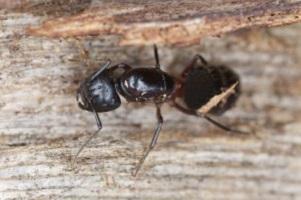
Carpenter ants require particular attention when large ants repeatedly appear near decks, bathrooms, window frames, roof leaks, or crawl spaces. They excavate nesting galleries in wood, often where moisture or previous deterioration is present.
Treatment may include:
- Inspection of active trails and likely nesting areas
- Targeted bait placement
- Focused crack-and-crevice applications
- Exterior perimeter treatment
- Moisture and vegetation recommendations
- Follow-up when colony activity continues
Spraying visible workers may interrupt a trail temporarily without controlling the nest. A personalized pest control plan focuses on the source of the activity and the conditions supporting it.
Rodent Control for Homes, Rentals, and Businesses
Mice and rats can enter through damaged vents, utility penetrations, roof intersections, door gaps, and openings around foundations. Once indoors, they may contaminate stored materials, damage insulation, chew wiring, and nest in areas that are difficult to access.
Rodent control may include trapping, monitoring, baiting strategies where appropriate, sanitation guidance, and identification of exclusion needs. Major openings should be sealed in coordination with the removal process so rodents are not trapped inside or forced to create another route.
Corvallis landlords and property managers may need more than a single-unit inspection. Rodents can move through shared crawl spaces, adjoining walls, utility chases, storage rooms, and waste areas. Commercial properties may also require attention around kitchens, deliveries, loading areas, and stockrooms.
Bed Bug Service for High-Turnover Properties
A bed bug infestation can develop in houses, apartments, rentals, lodging environments, and other occupied buildings. Bed bugs may be introduced through luggage, used furniture, visitors, shared laundry areas, or belongings moved from an affected location.
These insects hide in mattress seams, bed frames, furniture joints, baseboards, wall gaps, and nearby rooms. In connected housing, activity may extend through shared walls or utility pathways.
Professional bed bug service begins with a detailed inspection and preparation instructions. The treatment plan may include monitoring, targeted products, follow-up appointments, heat-based methods, or a combination suited to the property.
Customers should avoid moving furniture or sleeping materials into unaffected rooms before receiving instructions. Relocating items can spread activity and make the infestation more difficult to contain.
Termite and Wood-Destroying Insect Services
Termites and other wood-destroying insects can remain concealed within structural materials. Warning signs may include mud tubes, discarded wings, small holes, softened wood, or unexplained debris near foundations and crawl spaces.
A professional inspection should evaluate accessible wood, soil contact, moisture, exterior construction, and visible pest evidence. Depending on the findings, treatment may involve baiting systems, targeted applications, monitoring, or continued termite protection.
Oregon requires individuals and businesses to obtain appropriate licensing before performing certain pesticide-related activities. The Oregon Department of Agriculture administers licensing requirements for applicators and pest-control business operators, along with continuing-education programs.
General Insect, Bee, and Wasp Removal
General insect control may address cockroaches, fleas, spiders, silverfish, moths, beetles, boxelder beetles, and other household pests. Treatment may combine targeted interior applications, exterior service, monitoring, and recommendations for reducing food, moisture, or shelter.
Bee and wasp removal may be needed when stinging insects nest near a doorway, patio, roofline, playground, storefront, or frequently used walkway. Customers should avoid sealing an opening while insects are actively entering and leaving. This can redirect them into a wall cavity or occupied room.
Professional service considers the species, nest location, accessibility, and exposure risk before treatment or physical removal begins.
Corvallis Pest Control Backed by Regional Experience
The Killers was founded in the spring of 1982 and has provided pest-management services for more than four decades. The company serves residential and commercial customers and has experience addressing the pest conditions found throughout Oregon and Southwest Washington.
Technicians receive ongoing training and continued education in pest-management practices. That knowledge supports accurate identification, appropriate treatment selection, careful product placement, and clear customer instructions.

Customers working with The Killers receive access to:
- Free pest inspections
- Residential pest removal
- Commercial pest-control service
- Ant and general insect treatment
- Rodent control
- Bed bug service
- Termite protection
- Bee and wasp removal
- Satisfaction-backed pest-control work
- Qualifying annual warranty plans
- Return treatments for eligible recurring activity
A dependable pest control company should also explain what happens after treatment. Customers should know which pest was identified, where activity was found, how to prepare, what results to expect, and which property improvements may support long-term prevention.
Questions Corvallis Property Owners Ask About Pest Control
Pest-control pricing in Corvallis, OR, depends on the pest species, property type, infestation severity, accessibility, and treatment method. A localized ant trail will generally require a different plan than rodents throughout a crawl space, bed bugs affecting multiple rooms, or termites involving structural materials.
The building’s use also matters. A single-family home near Timberhill may have different inspection needs than an apartment near Oregon State University or a restaurant closer to Downtown Corvallis. Multifamily and rental properties may require adjoining units, shared utility pathways, storage spaces, and common areas to be evaluated.
A free inspection gives the technician an opportunity to identify the pest, determine where activity is concentrated, and explain the available treatment options. Customers should ask whether the estimate includes monitoring, follow-up visits, warranty protection, and return treatment.
The lowest initial quote may not offer the strongest value when it excludes visits required to address the pest’s life cycle or verify that the infestation has been controlled.
Carpenter ants often establish nests in wood affected by moisture, previous decay, or structural deterioration. Corvallis receives the wet seasonal weather typical of the Pacific Northwest, and moisture may collect around decks, crawl spaces, window frames, siding, roof intersections, and plumbing.
Large ants appearing repeatedly indoors do not always mean the main nest is inside. Workers may travel from an exterior colony in a stump, tree, fence, or landscaping feature to an indoor food source. However, activity emerging from structural gaps or damaged wood deserves professional evaluation.
A technician can identify the species, trace travel patterns, and inspect likely nesting locations. Treatment may use targeted baiting strategies, localized applications, exterior service, and moisture recommendations.
Correcting leaks, improving drainage, and replacing damaged wood may also be part of long-term prevention. Treating visible ants alone may reduce activity temporarily while leaving the colony and moisture condition unchanged.
Landlords and property managers should arrange an inspection when a tenant reports live insects, shed skins, dark spotting, unexplained bites, or activity around beds and upholstered furniture. Prompt inspection is especially important when units share walls, laundry areas, hallways, or utility pathways.
Corvallis has substantial student and rental activity associated with Oregon State University. Frequent move-ins, travel, furniture exchanges, and tenant turnover can create opportunities for bed bugs to be introduced, although an infestation can occur in any occupied property.
Avoid assuming that only one unit is affected. The inspection may need to include adjacent rooms or neighboring units based on the building layout and evidence found.
Property managers should provide consistent preparation instructions and coordinate access before treatment. A structured plan should explain which areas will be serviced, what occupants must do, when follow-up will occur, and how the provider will determine whether the infestation has been controlled.
Seasonal treatments can be worthwhile when a property experiences recurring ants, rodents, spiders, boxelder beetles, bees, wasps, or other predictable pest problems. They are not automatically required for every isolated insect sighting.
Corvallis contains parks, natural areas, mature trees, rivers, and connected green spaces throughout the community. Properties near Avery Park, the Marys River, Willamette Park, Bald Hill, or wooded residential areas may experience ongoing exterior activity because pest habitat remains nearby.
Wet weather may increase rodent movement and moisture-related pest activity, while warmer periods can increase ants and stinging insects. Seasonal service allows treatment and monitoring to adjust as conditions change.
Qualifying annual plans from The Killers may include warranty coverage and return treatments when covered pest activity persists between scheduled appointments. The technician should explain which pests are included, how often visits are recommended, and whether interior treatment is performed only when evidence is present.
Schedule a Free Pest Inspection in Corvallis
Pest activity can spread from an exterior colony, crawl space, adjoining unit, or concealed structural opening into occupied areas. The Killers provides ant removal, rodent control, termite services, bed bug treatment, general insect control, bee and wasp removal, and preventive protection throughout Corvallis, OR.
Contact The Killers to schedule a free pest inspection. Our team will evaluate the activity, identify likely entry points, explain the available options, and create a personalized pest control plan for your home, rental property, or business.