
Responsive Pest Control Services for Gresham Properties
The Killers provides professional pest control services in Gresham, OR, for homeowners, landlords, property managers, and small-business owners dealing with ants, rodents, termites, bed bugs, stinging insects, and other unwanted pests. Gresham’s combination of established neighborhoods, multifamily housing, commercial corridors, wooded buttes, creek habitat, and newer development can create different pest pressures within a relatively compact service area.
A pest infestation near Historic Downtown Gresham may involve an older foundation, shared commercial wall, or utility opening. A home near Hogan Butte may experience rodent or insect pressure from surrounding vegetation. Apartments in Rockwood may require coordinated inspections when activity can move between connected units.
The Killers starts with a free property inspection. The purpose is to identify the pest, determine where it is nesting or traveling, and locate the entry points or environmental conditions supporting the problem. Based on those findings, technicians develop a treatment plan suited to the structure instead of relying on one general application.
Schedule an inspection with The Killers when pest activity continues, spreads to additional rooms, or involves a species that should not be handled with trial-and-error treatments.
Service Scenarios That Require a Targeted Pest Control Plan
When Ant Trails Keep Reappearing Indoors
Ant trails often become visible after workers locate food, moisture, or shelter inside a building. They may travel along counters, plumbing routes, foundation edges, windows, baseboards, or wall gaps while the primary colony remains hidden outdoors or inside the structure.
Professional ant removal begins with species identification. Odorous house ants, pavement ants, and carpenter ants do not respond identically to every product or treatment method.
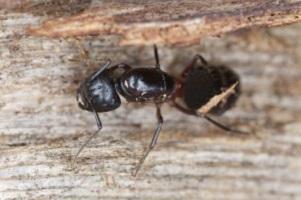
Carpenter ants deserve particular attention when large ants repeatedly appear near damp wood, roof leaks, decks, bathrooms, windows, or crawl spaces. These insects excavate nesting galleries in wood and may take advantage of materials already weakened by moisture.
A pest control plan may include:
- Inspection of active trails and likely nesting areas
- Strategic bait placement
- Focused crack-and-crevice service
- Exterior perimeter treatment
- Moisture and vegetation recommendations
- Follow-up when colony activity persists
An interior treatment directed only at visible workers may temporarily reduce activity without reaching the colony.
When Rodents Enter a Crawl Space or Attic
Mice and rats can enter through damaged vents, foundation gaps, utility penetrations, worn garage seals, and roofline openings. Once indoors, they may contaminate stored materials, damage insulation, chew wiring, and establish nesting areas inside walls, attics, or crawl spaces.
Rodent control may include trapping, monitoring, sanitation guidance, and identification of exclusion needs. Entry points should be closed in coordination with the removal process. Sealing an active route too early can trap rodents inside or cause them to create another opening.
Homes near Gresham’s natural areas and wooded slopes may experience continued exterior pressure after the indoor population is removed. Commercial properties along East Burnside Street, Northeast Division Street, Powell Boulevard, or Stark Street may require additional inspection around loading areas, waste storage, stockrooms, kitchens, and utility spaces.
When a Bed Bug Problem Affects an Occupied Room
A bed bug infestation can develop in houses, apartments, rental properties, lodging environments, and other occupied buildings. Bed bugs may be introduced through travel, used furniture, visitors, shared laundry areas, or belongings moved from an affected property.
These insects hide in mattress seams, furniture joints, baseboards, wall gaps, and nearby rooms. In multifamily properties, activity may extend through shared walls or utility pathways.
Professional service begins with an inspection and detailed preparation instructions. Depending on the infestation and building layout, treatment may involve monitoring, targeted applications, follow-up visits, heat treatments, or a coordinated combination of methods.
Heat treatments are one available option, but they are not automatically appropriate for every property. The provider should explain why a specific method is recommended and how treatment results will be verified.
When Termites or Wood-Damaging Insects Are Suspected
Possible termite evidence includes mud tubes, discarded wings, weakened wood, concealed damage, and unexplained debris near foundations or crawl spaces. Other insects and moisture deterioration can create different warning signs, making professional identification important.
A termite inspection should evaluate accessible structural wood, soil contact, moisture conditions, exterior construction, and visible pest evidence. Treatment may include baiting, targeted applications, monitoring, or ongoing protection based on the findings.
Oregon requires individuals and businesses to obtain appropriate licensing before performing certain pesticide-related activities. The Oregon Department of Agriculture administers licensing requirements for applicators and pest-control business operators, including applicable examinations, insurance requirements, and continuing education.
When Bees, Wasps, or Other Insects Threaten Active Areas
Bee and wasp removal may be needed when a nest develops near a doorway, roofline, patio, playground, storefront, or frequently used walkway. Property owners should not seal an active opening while insects are still entering and leaving because they may be redirected into a wall cavity or occupied room.
General exterminator services may also address spiders, fleas, cockroaches, silverfish, moths, beetles, boxelder bugs, and other insects. Treatment can involve focused interior service, exterior applications, monitoring, web or accessible nest removal, and recommendations for reducing moisture, food, or shelter.
Why Gresham’s Environment Creates Seasonal Pest Activity
Gresham maintains more than 300 acres of parkland, approximately 840 acres of natural areas, and several miles of trails. The Springwater Trail runs through Gresham and follows portions of Johnson Creek, providing a connected corridor of vegetation and wildlife habitat through the city.
Main City Park sits along both Johnson Creek and the Springwater Trail near Historic Downtown Gresham. Other prominent natural features include Hogan Butte, Gabbert Butte, Jenne Butte, and the forested hillsides around southern and eastern Gresham.
Living near these areas does not mean a property will become infested. It does mean outdoor pest populations can remain active relatively close to homes and businesses.
Common local risk factors include:
- Vegetation touching siding or roofing
- Damp crawl spaces and poorly ventilated foundations
- Openings around plumbing, cables, and exterior utilities
- Firewood or stored items placed against buildings
- Accessible pet food, birdseed, and waste
- Damaged door sweeps and foundation screens
- Standing water or plumbing leaks
- Shared walls and service pathways in multifamily housing
Wet Pacific Northwest weather can increase moisture around foundations, decks, crawl spaces, and structural wood. Colder conditions may push rodents toward sheltered indoor spaces. Warmer periods commonly bring more ants, fleas, spiders, bees, and wasps.
Seasonal treatments may be useful when the same pests return predictably, but the service frequency should reflect the property’s history and actual pest pressure.
More Than Four Decades of Regional Pest Experience
The Killers was founded in the spring of 1982 and has provided residential and commercial pest control for more than four decades. The company serves properties throughout Oregon and Southwest Washington and has Certified Sentricon Specialists available for termite protection.
Technicians receive ongoing training and continued education in pest-management practices. This supports accurate identification, responsible product selection, careful placement, and treatment recommendations based on the property rather than a standard routine.
Customers working with The Killers receive access to:
- Free pest inspections
- General residential pest control
- Commercial exterminator services
- Ant and insect removal
- Rodent control
- Bed bug treatment
- Termite services
- Bee and wasp removal
- A satisfaction guarantee
- Warranty coverage through qualifying annual plans
- Return treatments for eligible recurring issues
The Killers is also a BBB Accredited Business with an A+ rating. A dependable pest-control process should provide clear findings, preparation instructions, treatment expectations, and follow-up recommendations—not simply apply a product without explanation.
Questions Gresham Property Owners Ask About Pest Control
A few ants near an open door may represent temporary outdoor activity, but repeated ant trails usually indicate that workers have established a reliable route between a colony and an indoor food or moisture source. Trails that return after cleaning, emerge from a wall gap, or appear in several rooms deserve closer attention.
In Gresham, OR, colonies may be located beneath landscaping, under patios, inside wall cavities, near foundations, or around damp exterior wood. Carpenter ants are particularly important to identify when large ants appear around crawl spaces, bathrooms, decks, or window frames.
Do not assume that a surface spray has resolved the infestation simply because the trail disappears for a day. Some products kill only the workers that contact them, leaving the nest intact.
A property inspection can determine which ant species is present, where it is traveling, and whether treatment should involve baiting, exterior service, targeted interior treatment, moisture correction, or follow-up monitoring.
Neighboring units may need inspection when bed bug evidence appears in an apartment, duplex, assisted-living property, or other connected building. The decision depends on the building layout, shared walls, utility pathways, infestation level, and location of the affected room.
Bed bugs can hide in furniture, baseboards, wall gaps, electrical penetrations, and personal belongings. Treating only one room without evaluating nearby spaces may leave activity concealed elsewhere.
Property managers in Rockwood, Downtown Gresham, or other multifamily areas should coordinate access and provide consistent preparation instructions to affected occupants. Tenants should not move beds, furniture, or belongings into hallways or neighboring rooms before receiving guidance.
A professional treatment plan should state which units require inspection, what preparation is expected, which treatment method will be used, and when follow-up will occur. Clear coordination reduces the risk of accidental spread and inconsistent treatment.
Seasonal treatments can be worthwhile when a home experiences recurring ants, spiders, rodents, fleas, or stinging insects, but they are not automatically necessary for every isolated pest sighting.
Johnson Creek and the Springwater Trail create a connected green corridor through Gresham with extensive plant and wildlife habitat. Properties near Main City Park, Linnemann Station, the trail corridor, or wooded neighborhoods may experience continuing exterior pest pressure.
A seasonal plan may focus on exterior monitoring, perimeter applications, common entry points, accessible web removal, and targeted interior treatment when activity is present. It should also include practical recommendations involving vegetation, drainage, storage, and sanitation.
Qualifying annual plans from The Killers may include warranty protection and return treatments when covered activity continues between scheduled visits. The technician should explain which pests are included and how frequently service is justified.
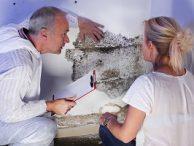
A free property inspection begins with a discussion of what you have seen, where it occurs, and how long the activity has been present. Photos, droppings, damaged materials, shed skins, insect specimens, or notes about the time of day can help guide the evaluation.
The technician may inspect foundations, crawl-space vents, garages, attics, rooflines, exterior walls, plumbing areas, landscaping, and rooms where activity was reported. A Gresham commercial property may also require inspection of stockrooms, kitchens, loading zones, waste areas, and shared utility spaces.
After the inspection, the technician should explain the likely pest, the extent of activity, suspected entry points, and conditions contributing to the problem. Customers should also receive information about preparation, treatment placement, expected results, follow-up timing, and warranty terms.
The inspection should produce specific findings and a practical pest control plan—not an unexplained recommendation for a general application.
Request a Free Pest Inspection in Gresham
Pest activity can spread from an exterior colony, crawl space, neighboring unit, or concealed structural opening into occupied areas. The Killers provides ant removal, rodent control, termite services, bed bug treatment, general insect control, bee and wasp removal, and preventive pest protection throughout Gresham, OR.
Contact The Killers to schedule a free property inspection. Our team will identify the infestation, explain the available treatment options, and develop a practical plan for your home, rental property, or business.