

Pest Control That Fits North Plains Properties

The Killers provides professional service for ant problems in North Plains, OR, along with rodents, termites, bed bugs, stinging insects, and other recurring pests. Our local pest control services are designed for homeowners, landlords, property managers, and small-business owners whose properties may include everything from newer subdivision homes to larger lots, workshops, garages, and structures bordering farmland.
North Plains has a different pest-control profile from a dense Portland neighborhood. Its mix of expanding residential development, rural property edges, agricultural land, and wooded surroundings can bring buildings into regular contact with outdoor insect and rodent populations. The Killers specifically describes its North Plains exterminator services as serving rural landscapes, expanding subdivisions, and farmland-edge properties.
A few ants around a kitchen window may be tracing a route from exterior landscaping. Scratching above the ceiling may indicate rodent activity in an attic. A problem noticed in the living area can sometimes begin much farther away—in a crawl space, garage, utility penetration, shed, or exterior nesting site.
That is why effective service starts with inspection. The Killers’ North Plains pest-control process includes checking interior areas as well as the outside perimeter and providing maintenance recommendations based on the findings.
How Seasonal Pest Shifts Affect North Plains Homes
The Pacific Northwest climate changes where pests look for shelter throughout the year. During wet and cooler periods, mice and rats may move toward garages, crawl spaces, attics, and wall cavities. As temperatures rise, ant problems, spiders, fleas, bees, and wasps often become more visible.
North Plains properties can also have more exterior variables than homes in tightly developed urban areas. Detached garages, equipment storage, woodpiles, larger yards, drainage areas, and nearby fields can all create intermediate shelter between natural habitat and the main structure.
Common conditions worth checking include:
- Torn foundation or crawl-space screens
- Gaps around pipes, cables, and utility lines
- Openings around roof intersections
- Worn garage and exterior door seals
- Branches or shrubs touching the structure
- Firewood stored directly beside buildings
- Pet food, birdseed, or animal feed left accessible
- Moisture in an attic and crawlspace
- Undisturbed storage areas in garages or sheds
Seasonal pest shifts do not automatically mean a property needs constant interior treatment. Prevention should be based on actual risk. In some cases, sealing an opening or correcting storage practices may matter as much as applying a product.
A professional inspection helps determine whether activity is temporary, whether pests have established themselves indoors, and which areas deserve treatment or monitoring.
Exterminator Services Based on Where the Pest Is Active
When Ants Keep Returning Indoors
Ant trails often mean workers have established a reliable route between a colony and an indoor food or moisture source. The colony itself may be under landscaping, beneath concrete, inside a wall, around a foundation, or within damp structural material.
Professional ant removal begins with identification. Different ant species respond differently to baits, exterior applications, and other treatment strategies.
A technician may trace active trails, inspect foundation edges, look around plumbing and utility openings, and evaluate nearby vegetation. Treatment can then focus on the colony and travel routes rather than simply killing ants currently visible on a countertop.
Homeowners should also consider moisture and food access. Cleaning spills, securing pantry foods, repairing plumbing leaks, and keeping vegetation from touching the house can support treatment results.
When Rodent Activity Reaches the Attic or Crawl Space
Mice and rats can enter through surprisingly small structural openings. Damaged vents, roof gaps, utility penetrations, garage doors, and foundation defects can all become entry points.
Once indoors, rodents may contaminate stored goods, disturb insulation, chew materials, and establish nesting sites in protected areas. The Killers’ North Plains rodent service specifically addresses activity in walls, crawl spaces, and flooring areas.
Rodent control may involve trapping, monitoring, sanitation recommendations, and exclusion planning.
The order matters. Sealing every visible opening while animals remain inside can trap them or push them toward another part of the structure. A better approach is to confirm activity, remove the rodents, monitor the results, and then close the relevant access routes.
North Plains properties with sheds, barns, or detached garages may also require inspection outside the main house if rodents are moving between structures.
When Bed Bugs Require Heat Treatment or Another Method
Bed bugs can be introduced through luggage, visitors, used furniture, rental turnover, or belongings transferred from an affected location. Their presence is not necessarily related to housekeeping.
They commonly hide around mattresses, bed frames, upholstered furniture, baseboards, wall gaps, and nearby resting areas.
Professional bed bug service should begin with inspection. Depending on the extent of the infestation and building layout, treatment may include monitoring, targeted applications, preparation requirements, follow-up visits, or heat treatment.
Heat treatment can be useful in appropriate circumstances, but it should not be selected automatically. The technician should consider which rooms are affected, whether connected spaces need inspection, and how the property must be prepared.
Moving mattresses or furniture into another room before receiving guidance can spread the infestation.
When Termites or Other Wood Pests Are Suspected
Termite activity may be difficult to detect because colonies can remain concealed while affecting structural materials.
The Killers’ North Plains termite information identifies Western subterranean and dampwood termites as important local concerns and notes that termite activity may be found around areas such as crawl spaces and garages.
Possible warning signs include mud tubes, discarded wings, softened wood, or unexplained deterioration.
A termite inspection should evaluate accessible structural materials, moisture, soil contact, foundations, and visible evidence. The findings determine whether monitoring, baiting, targeted treatment, or ongoing protection is appropriate.
When Bees, Wasps, or Other Insects Become a Safety Concern
Bee and wasp removal may be needed when nests develop near doors, decks, rooflines, play spaces, shops, or frequently used walkways.
Do not seal an active opening while insects are still moving through it. That can redirect them into a wall cavity or occupied part of the building.
General exterminator services may also address spiders, fleas, cockroaches, silverfish, moths, beetles, and other household insects. The treatment approach should reflect the pest’s nesting and feeding behavior rather than treating every insect problem the same way.
Inspection and Prevention Backed by Regional Experience
The Killers provides dedicated pest-control and exterminator services for North Plains. Its published North Plains service approach emphasizes thorough inspections, technician continuing education, and maintenance recommendations intended to help property owners reduce future problems.
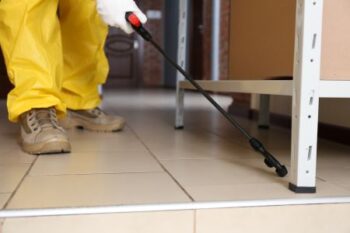
Customers have access to:
- Free pest inspections
- General residential pest control
- Commercial exterminator services
- Ant and general insect removal
- Rodent control
- Bed bug treatment
- Termite services
- Bee and wasp removal
- Satisfaction-backed service
- Warranty protection through qualifying annual plans
- Eligible return treatments between scheduled visits
The Killers is a BBB Accredited Business with an A+ rating.
Oregon also regulates commercial pesticide work. The Oregon Department of Agriculture requires applicable operators and applicators to meet licensing requirements, and commercial pesticide activities are limited to the license categories held by the business and applicators performing the work.
Professional service should leave customers understanding more than what product was used. A technician should be able to explain the pest, where evidence was found, which treatment is appropriate, and what maintenance may reduce the chance of recurrence.
Questions North Plains Property Owners Ask About Pest Control
Recurring ant activity often reflects seasonal changes in colony growth, food availability, moisture, and indoor access. As temperatures rise, workers become more active and may establish trails from outdoor nesting areas toward kitchens, bathrooms, pet-food areas, or other reliable resources.
North Plains, OR, has a mix of residential development and rural or agricultural surroundings, so colonies may be located in landscaping, soil, pavement edges, woodpiles, or farther away from the building. The Killers describes the area as including rural landscapes, expanding subdivisions, and farmland edges, all of which can affect pest pressure.
Simply wiping away trails or spraying visible workers may not reach the colony. A technician can identify the species, trace movement, and determine whether baiting, exterior treatment, focused interior service, or moisture correction is appropriate.
Customers can also help by cleaning food residue, repairing leaks, trimming vegetation, and sealing inactive structural gaps after the infestation has been addressed.
Scratching, rustling, droppings, damaged insulation, or gnawed materials can indicate mice or rats using concealed portions of the structure.
North Plains homes can be especially vulnerable when they border open land, vegetation, storage areas, or agricultural property. Rodents may approach a house from exterior shelter and enter through vents, utility penetrations, roof gaps, garage doors, or foundation openings.
The Killers notes that rodents can move through walls, crawl spaces, and flooring areas, which means the location where noise is heard is not always the original access point.
A technician should inspect likely travel areas and determine whether trapping, monitoring, sanitation changes, or exclusion work is needed.
Avoid immediately sealing every opening if rodents may still be inside. Correctly timing exclusion helps prevent animals from becoming trapped in wall cavities or being forced into another part of the home.
No. Heat treatment can be effective for bed bugs in appropriate situations, but the correct method depends on the extent of the infestation, property layout, room contents, accessibility, and whether adjoining spaces are affected.
A North Plains, OR, homeowner or landlord should begin with an inspection rather than choosing a treatment method based only on online information.
Bed bugs can hide in mattress seams, bed frames, furniture joints, baseboards, wall gaps, and belongings. If an apartment, rental, or connected building is involved, neighboring spaces may need evaluation before treatment begins.
Heat treatment may be used by itself in some cases or combined with monitoring, targeted applications, and follow-up service.
The preparation process also matters. Clothing, bedding, furniture, and belongings should be handled according to the provider’s instructions. Moving affected items through the building without a plan can spread insects into rooms that were previously clear.
The appropriate frequency depends on the property’s pest history, surrounding environment, building condition, and type of activity being addressed.
A house with no recurring indoor infestation may need only periodic inspection and maintenance. A property bordering farmland, woodland, or open space may experience stronger seasonal pressure from ants, rodents, spiders, or stinging insects. Commercial properties with food storage, waste areas, or frequent deliveries may require more consistent monitoring.
Seasonal pest shifts are particularly important when determining service frequency. Rodent pressure may increase as weather turns colder and wetter, while insect activity generally becomes more visible during warmer periods.
Preventative service may include exterior monitoring, perimeter applications where appropriate, inspection of entry points, web or nest management, and targeted interior treatment when evidence exists.
Qualifying annual plans from The Killers may also include warranty coverage and additional treatment for covered activity that occurs between scheduled services.
Schedule a Free Pest Inspection in North Plains
Pests can move from fields, landscaped areas, sheds, garages, attic spaces, crawl spaces, and exterior nests into occupied buildings long before the source becomes obvious.
The Killers provides ant removal, rodent control, termite services, bed bug treatment, general insect control, bee and wasp removal, and ongoing pest prevention for North Plains, OR. Its dedicated North Plains service pages confirm both pest-control and exterminator coverage for the community.
Contact The Killers to schedule a free inspection and receive a practical treatment and prevention plan for your home, rental property, acreage, or business.