The Hidden Rhythm of Ant Colonies and Why Timing Your Treatment Changes Everything
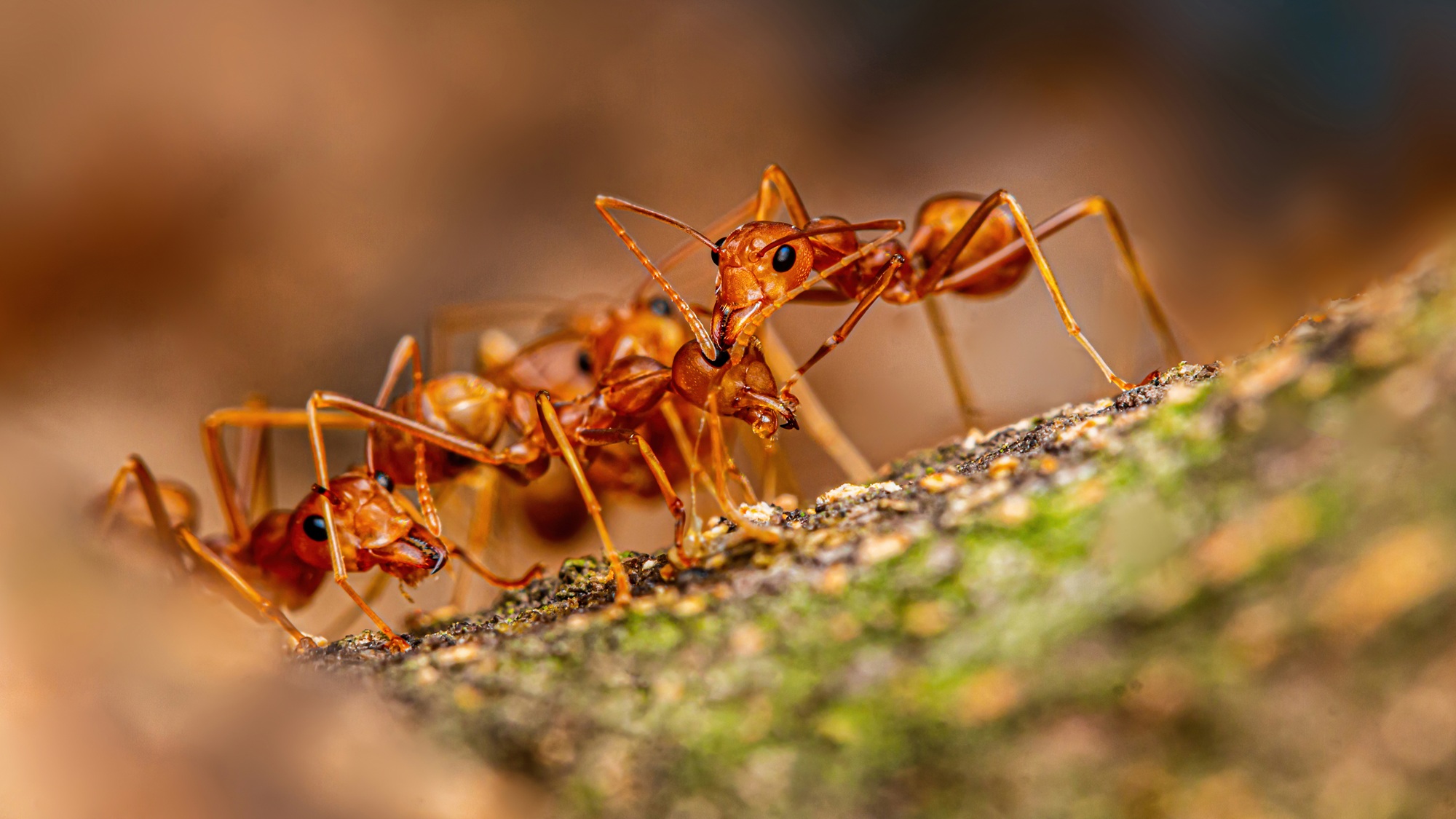
Ants don’t grow at a steady pace. Their colonies expand in waves, driven by brood cycles; periods when eggs, larvae, and pupae develop into worker ants. That’s why effective ant removal in Portland strategies aren’t just about killing visible ants. They’re about timing treatments to disrupt growth at the right moment.
Ant removal accounts for seasonal brood cycles by targeting colonies during peak growth phases, when larvae and worker ants are most active. By aligning baiting and treatment plans with these cycles, pest control professionals interrupt reproduction, reduce colony expansion, and achieve longer-lasting elimination.
And here’s what many homeowners miss; if treatment happens at the wrong time, colonies may rebound quickly. You might think the problem is gone, only to see it return stronger weeks later. In Portland OR, where mild winters and damp springs create ideal conditions, understanding these seasonal patterns becomes essential for lasting pest control results.
Why Ant Colonies Surge at Certain Times of Year in Portland Homes
Walk through Portland neighborhoods in early spring, and you’ll notice something subtle, more ant activity along sidewalks, near foundations, even inside kitchens. That’s not random.
It’s the brood cycle at work.
A common question homeowners ask is: Why do ants suddenly appear in large numbers after winter? The answer lies in colony biology. During colder months, many ant species slow down. But as temperatures rise, queens begin laying eggs, and colonies shift into expansion mode.
In the Pacific Northwest, species like odorous house ants, moisture ants, and pavement ants thrive in damp conditions. Areas near crawl space openings, support beams, or even landscaping close to the home become ideal nesting sites.
This seasonal surge also explains why pest problems seem to escalate quickly. A colony that was barely noticeable in winter can explode in size by late spring.
The Killers Pest Control takes these patterns into account when designing pest management strategies. Instead of reacting to visible ants, they anticipate when colonies are about to grow and act before the population spikes.
6 Common Mistakes that Ignore Brood Cycles and Make Infestations Worse
Many homeowners unknowingly work against the natural timing of ant colonies. The result? Temporary relief followed by a bigger infestation.
Here are the most common mistakes:
- Treating only visible ants without addressing the colony during growth phases
- Using fast-acting sprays that kill worker ants before they carry bait to larvae
- Ignoring early spring activity, when colonies are easiest to control
- Applying the same treatment year-round without adjusting for seasonal changes
- Misidentifying species like carpenter ants or sugar ants, leading to ineffective baiting
- Disrupting ant pathways, preventing bait from reaching brood chambers
These mistakes don’t just delay results, they can actually increase colony resilience. According to the United States Environmental Protection Agency, integrated pest management strategies that consider life cycles are significantly more effective than reactive treatments.
The Killers Pest Control avoids these pitfalls by aligning treatment plans with brood development stages, ensuring that pest elimination services target the colony at its most vulnerable points.
Do You Want Ant Removal for Your Home Today?
Contact The Killers Pest Control now for fast, reliable pest control solutions!
Why Timing Your Treatment Saves Time, Money, and Frustration
It’s tempting to treat ants the moment you see them. But timing matters more than urgency.
When treatments are applied during peak brood development, worker ants actively forage and transport bait back to the colony. That’s when elimination is most effective.
In contrast, treating during low-activity periods may reduce visible ants but leave the queen and larvae untouched. The colony survives, and eventually rebounds.
For Portland homeowners, this difference can mean the gap between a one-time solution and recurring pest control needs.
The Killers Pest Control uses seasonal insights to guide their pest control services. By tracking activity patterns across Portland metro region homes; from areas near Washington Park to properties around SE Park Ave MAX Station, they’ve refined strategies that match local conditions.
The benefit? Faster results, fewer repeat treatments, and a stronger sense of control over your home environment.
Ant Removal in Portland: How Professionals Align Treatments With Brood Cycles
A skilled pest control professional doesn’t just apply products, they read the colony’s timeline.
In ant removal in Portland, technicians assess:
- Current activity levels and foraging behavior
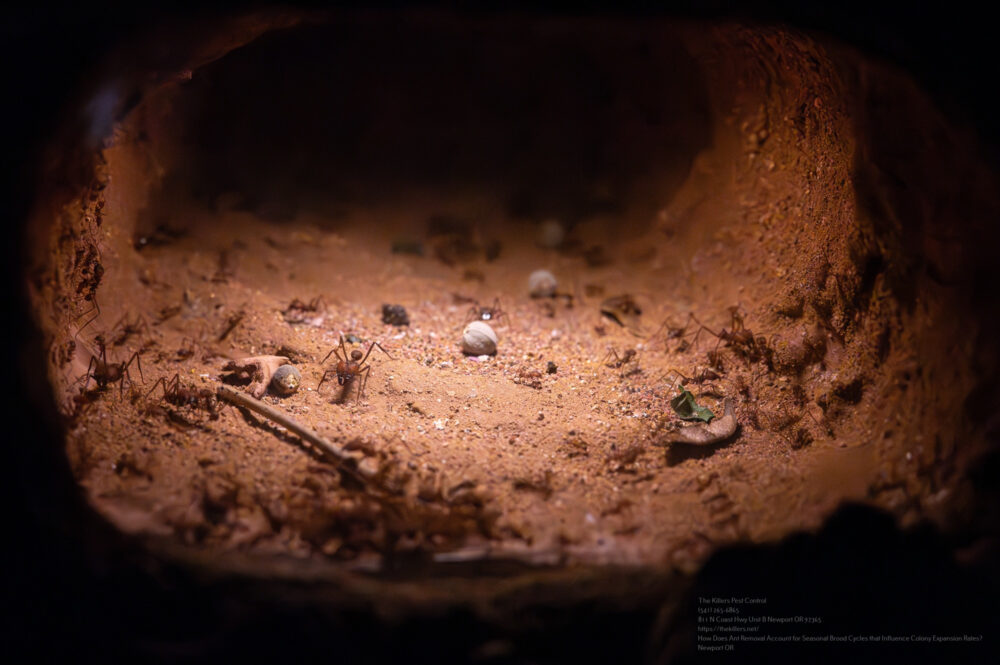
- Presence of larvae and brood within nesting sites
- Environmental factors like moisture and temperature
- Structural features such as entry points and crawl space conditions
Based on this, they design treatment plans that synchronize with the colony’s growth phase.
Here’s how that typically looks:
- Early season monitoring: identifying species and nest locations before rapid expansion
- Targeted baiting: using formulations that worker ants carry to larvae
- Follow-up adjustments: adapting treatments as the colony evolves
This approach reflects integrated pest management principles, combining observation, prevention, and targeted intervention.
In Portland OR, where eco-friendly products and organic pest control methods are increasingly important, these strategies also minimize environmental impact while maximizing effectiveness.
What Seasoned Technicians Notice about Brood Cycles that Others Miss
There’s a moment, often subtle, when a colony shifts from survival mode to expansion mode. Experienced ant exterminators know how to spot it.
You might see increased activity near food sources, longer ant pathways, or more consistent trails along baseboards. These are signs that worker ants are feeding a growing brood population.
The Killers Pest Control trains its team to recognize these patterns early. In one Portland neighborhood near Tigard Transit Center, technicians identified a colony entering a rapid growth phase. Instead of waiting for the infestation to worsen, they immediately adjusted the treatment plan.
They switched to a slower-acting bait designed to reach larvae and queen chambers. Within weeks, activity dropped, and stayed down.
That’s the advantage of professional service. It’s not just about reacting to a pest problem. It’s about understanding what the colony is about to do next.
Real-World Example: Stopping Colony Expansion Before it Peaks
A Portland homeowner near PCC Sylvania Main Stop noticed ants returning every spring despite repeated treatments. The issue wasn’t the products, it was the timing.
Previous treatments had been applied after the colony had already expanded. By then, the population was too large for quick control.
The Killers Pest Control approached the problem differently. They began monitoring in late winter, identifying early signs of activity. When the brood cycle began, they implemented targeted baiting aligned with peak foraging behavior.
The result? The colony was eliminated before it could fully expand.
This case highlights a simple truth, effective pest control isn’t just about what you use. It’s about when you use it.
What to Remember about Brood Cycles and Long-Term Ant Control
Ant infestations follow predictable biological patterns. Once you understand those patterns, control becomes far more effective.
The key takeaways are straightforward:
Colonies expand in cycles, not continuously. Treatments must align with these cycles to be effective. Early intervention prevents rapid population growth and reduces long-term pest control costs.
For Portland homeowners, where environmental conditions support year-round activity, proactive pest management is essential.
When done right, ant control becomes less about constant treatment and more about strategic timing, breaking the cycle before it begins.
Why The Killers Pest Control is the Smart Choice for Lasting Pest Solutions
We at The Killers Pest Control provide the best solutions to our customers by combining advanced pest control methods with a deep understanding of seasonal brood cycles. We don’t just treat ants; we interrupt their growth at the source.
We take pride in providing reliable customer service and customized pest control for Portland homeowners. Our professional team uses eco-friendly products, proven treatment plans, and industry expertise to deliver long-term results.
We showcase our excellence through precise inspections and targeted solutions tailored to each pest problem. We also provide dependable follow-up care to ensure your home stays protected.
If you’re dealing with recurring infestations, it’s time for a smarter approach. Contact The Killers Pest Control for expert ant control service and experience results that last. Choose us today for reliable ant removal in Portland.
Do You Want Ant Removal for Your Home Today?
Contact The Killers Pest Control now for fast, reliable pest control solutions!
FAQs About Ant Removal in Portland OR
[new_accordion title="Do all ant species follow the same brood cycle?"]No, different species, like carpenter ants, moisture ants, and pavement ants, have different cycles. That’s why species identification is critical in effective pest control.