
Reading Station Activity to Understand Where Termites Feed, How Their Behavior Changes, and Whether Treatment is Working
A termite bait station provides more than a place for termites to feed. When monitored over time, it can offer clues about termite activity, changing foraging patterns, and progress toward colony control.
For property owners exploring Sentricon termite protection, Sentricon in Vancouver WA monitoring helps explain why feeding at one station may increase. At the same time, another remains inactive, and why those observations must be interpreted in context.
Subterranean termites move through soil and concealed pathways in search of food, so their activity can change with moisture, access, environmental conditions, and the location of available resources. Tracking these changes helps a termite professional evaluate treatment progress without assuming that one observation tells the whole story.
What Station Activity Reveals about Termite Foraging
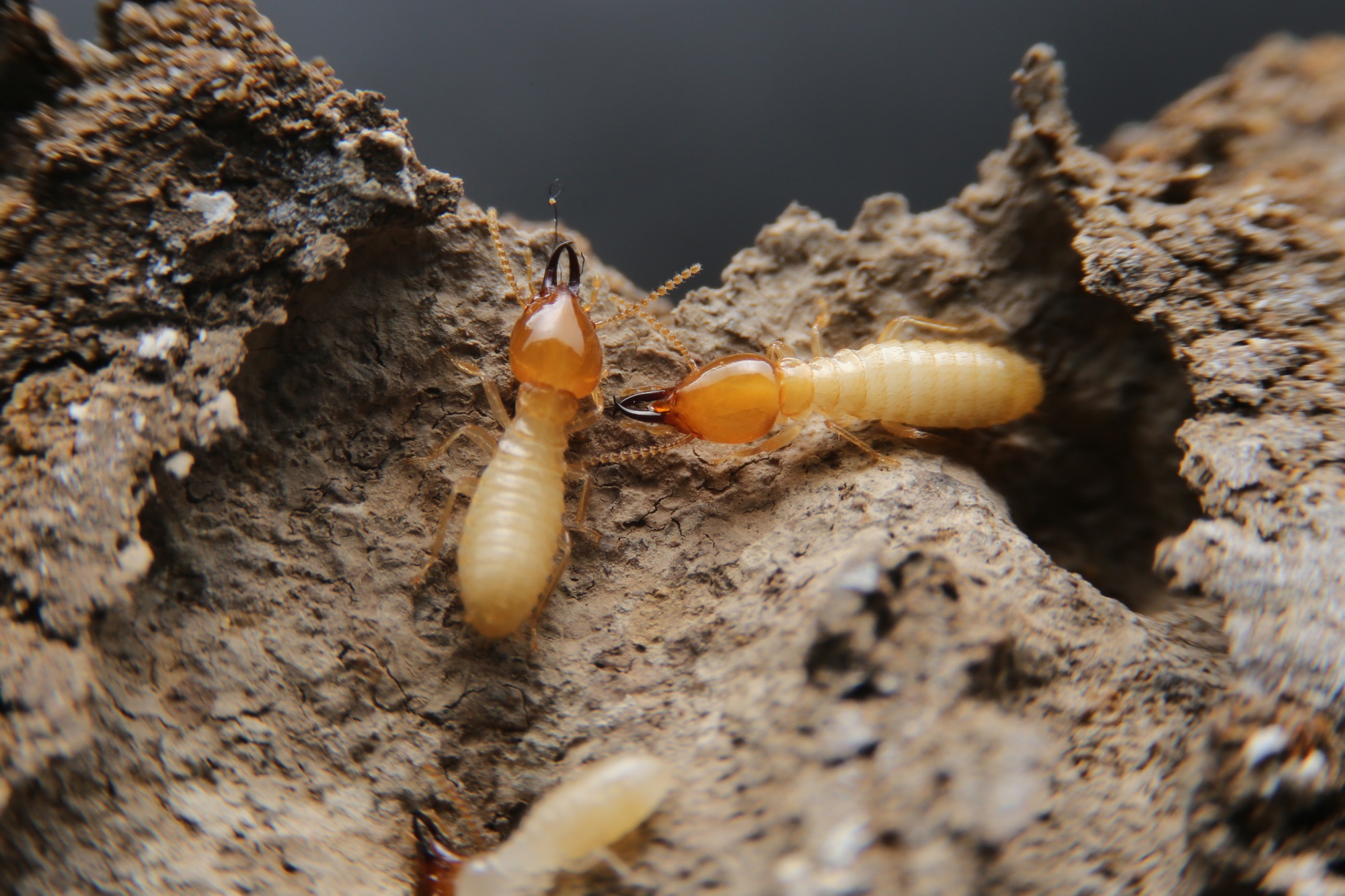
Subterranean termites forage through networks of underground galleries and protected routes, searching for cellulose-based food such as wood. Their movement is not necessarily uniform across a property. One group of workers may encounter a station near a damp planting bed, while another route may lead toward buried wood or a different section of the foundation. Sentricon stations are designed to intercept these natural foraging movements, not to lure termites from a distance or guarantee that every station will be discovered immediately.
When termites are found feeding inside a station, that observation confirms activity at that particular location and time. Continued feeding can show that workers have established the bait as a food source, while the amount of bait consumed may help a technician assess whether feeding remains active. However, a heavily used station does not reveal the exact size of the colony, the number of termites involved, or the nest’s location. Those details cannot be calculated reliably from bait consumption alone.
An inactive station requires equally careful interpretation. Termites may not have encountered it, may be foraging elsewhere, or may be responding to local conditions that make another route more accessible. A lack of feeding at one visit does not establish that the entire colony has disappeared. Reviewing observations across multiple stations and service visits gives a more useful picture than treating each station as an independent pass-or-fail test.
How Station Patterns Fit Into a Wider Termite Control Plan
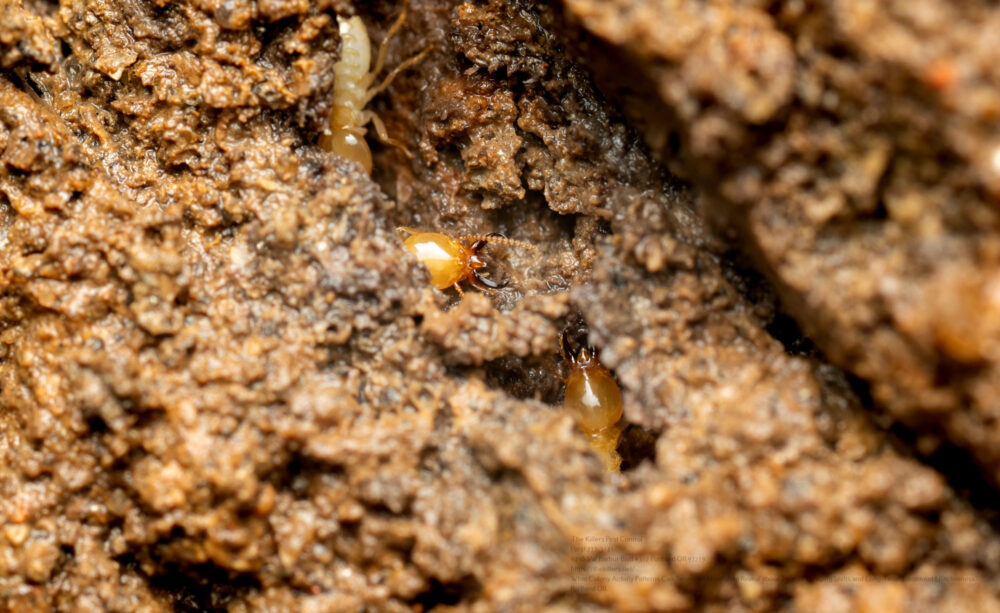
Sentricon monitoring provides information about activity at selected points around a property, but it does not replace a broader assessment of the building. A termite professional may need to consider foundation access, moisture conditions, wood-to-soil contact, visible damage, and previous treatments when interpreting station records. A station with no feeding cannot rule out termites elsewhere, and a station with active feeding does not reveal every location where termites may be present.
In some situations, an above-ground non-repellent bait station may be appropriate when active termite feeding is visible in an accessible area. Its use depends on the particular product, label directions, and professional assessment. Liquid treatments operate differently from baiting systems, so they should not be compared solely by whether a station is active or inactive. Each method has its own application requirements and limitations, and the choice should reflect the property’s conditions rather than a single monitoring result.
Sentricon is associated with Corteva Agriscience, and its termite colony elimination system received the U.S. Environmental Protection Agency‘s Presidential Green Chemistry Challenge Award in 2000. That recognition provides historical context for the system’s targeted baiting approach, but it does not guarantee a particular result at an individual property. Responsible chemistry still depends on proper product use, compliance with current instructions, and appropriate follow-up. Independent research studies on termite baiting also support the need to evaluate outcomes over time rather than promise a fixed elimination timeline.
Need help protecting your property from termites?
Contact The Killers Pest Control to discuss Sentricon options for your home or commercial building.
Why Foraging Activity Shifts Over Time
Termite foraging can vary with soil moisture, temperature, vegetation, and access to food. Irrigation, rainfall, drainage patterns, and seasonal conditions may alter the suitability of different routes around a building. Construction, landscaping, and disturbance near a station can also affect whether termites continue to use that location. Sentricon monitoring therefore needs to account for the conditions surrounding the station, not just the bait’s visible state.
For example, a station that shows feeding during one service visit may show less activity later, while another station begins to show signs of feeding. That change does not automatically mean the colony has grown, split, or moved to a new nest. It may reflect a shift in the workers’ routes or the availability of alternative food sources. A termite professional considers these possibilities alongside the full service history before interpreting a change as evidence of treatment success or failure.
Moisture-related changes warrant particular attention because they can affect both termite behavior and the property’s condition. A leaking outdoor tap, a downspout that repeatedly wets the soil, or a persistently damp area beneath landscaping may create conditions favorable to termite activity. Correcting such problems can reduce conducive conditions, but repairs should be planned so they do not damage or bury stations. Monitoring records become more informative when property changes are documented alongside feeding observations.
How Feeding Records Help Evaluate Treatment Progress
The purpose of monitoring is to determine what is happening at the stations and what action, if any, is appropriate. Depending on the Sentricon configuration and current product directions, a technician may record the presence of termites, feeding activity, bait condition, and whether the station requires servicing. Comparing these observations over successive visits helps distinguish a one-time encounter from continuing activity. A record of where feeding occurs can also guide attention toward areas that need closer assessment.
If feeding continues, the service provider can follow the product instructions to maintain bait availability and monitor the station. The active ingredient in the Sentricon bait disrupts the termite molting process, and affected workers can share bait with other colony members. The intended result is colony-level control, but the time required and the evidence of progress vary. Continued feeding alone does not prove that the entire colony remains unaffected, just as a decline in feeding does not independently confirm the elimination of the entire termite colony.
A pattern of declining activity across stations may be consistent with reduced foraging, but other explanations must be considered. Termites could be using different routes, encountering other food sources, or no longer reaching a particular station. Stronger conclusions require the technician to consider the station records alongside other evidence from the property.
Monitoring is also relevant after the apparent elimination of the colony. A property can still experience future termite activity even after an earlier colony has been controlled, so the absence of feeding during a single visit should not automatically end the monitoring plan. Appropriate ongoing service supports the detection of renewed activity and helps preserve the value of a baiting program over time.
What Station Conditions Can Reveal about Monitoring Reliability
The condition of the station itself affects how confidently its activity can be assessed. A station that has been crushed, flooded, covered by soil, disturbed during gardening, or obstructed by new landscaping may not provide a reliable picture until the issue is addressed. Product directions also warn against placing stations where routine lawn care or irrigation will interfere with them. Property owners should report damaged or missing station caps and avoid moving or opening stations independently.
The type of device matters as well. Depending on the system configuration, an in-ground station may contain a monitoring device or baiting components, and the technician must follow the relevant instructions when inspecting or servicing them. Terms such as station bodies, replacement wood strips, wood detectors, or a measured amount of bait can refer to particular equipment or procedures, not necessarily to every Sentricon installation. Property owners should not replace components or add materials themselves based on a general description of the system.
Other insects can complicate visual observations. Sugar ants or other ants near a station are not proof of termite activity, and a swarm of winged insects around a building may need identification before it is treated as evidence of a termite infestation. Mud tubes, damaged wood, discarded wings, and visible insects inside suspected feeding areas warrant attention, but signs should be assessed carefully because different insects can look similar. If signs of termites appear indoors, the property should be evaluated even when monitoring stations have previously shown little activity.
What Long-Term Monitoring Means for Vancouver, WA Properties
For homeowners and commercial property managers, the value of Sentricon monitoring lies in the record it builds over time. Changes in feeding, station condition, and termite activity location can help explain how subterranean termites are using the property and whether the treatment plan needs attention. This is particularly relevant for a valuable asset such as a home or commercial building, where early recognition of renewed activity can support timely action. Monitoring cannot guarantee that future infestations will not occur, but it provides a termite professional with evidence to use when assessing ongoing protection.
The Killers Pest Control can help property owners in Vancouver, WA, explore Sentricon in Vancouver WA and discuss termite concerns through its website. Reviewing the property’s history, current signs of termites, and available monitoring information can help clarify the next appropriate step. Reliable long-term termite control depends on carefully interpreting station patterns, maintaining the system according to its instructions, and responding to evidence rather than concluding a single visit.
Need help protecting your property from termites?
Contact The Killers Pest Control to discuss Sentricon options for your home or commercial building.