
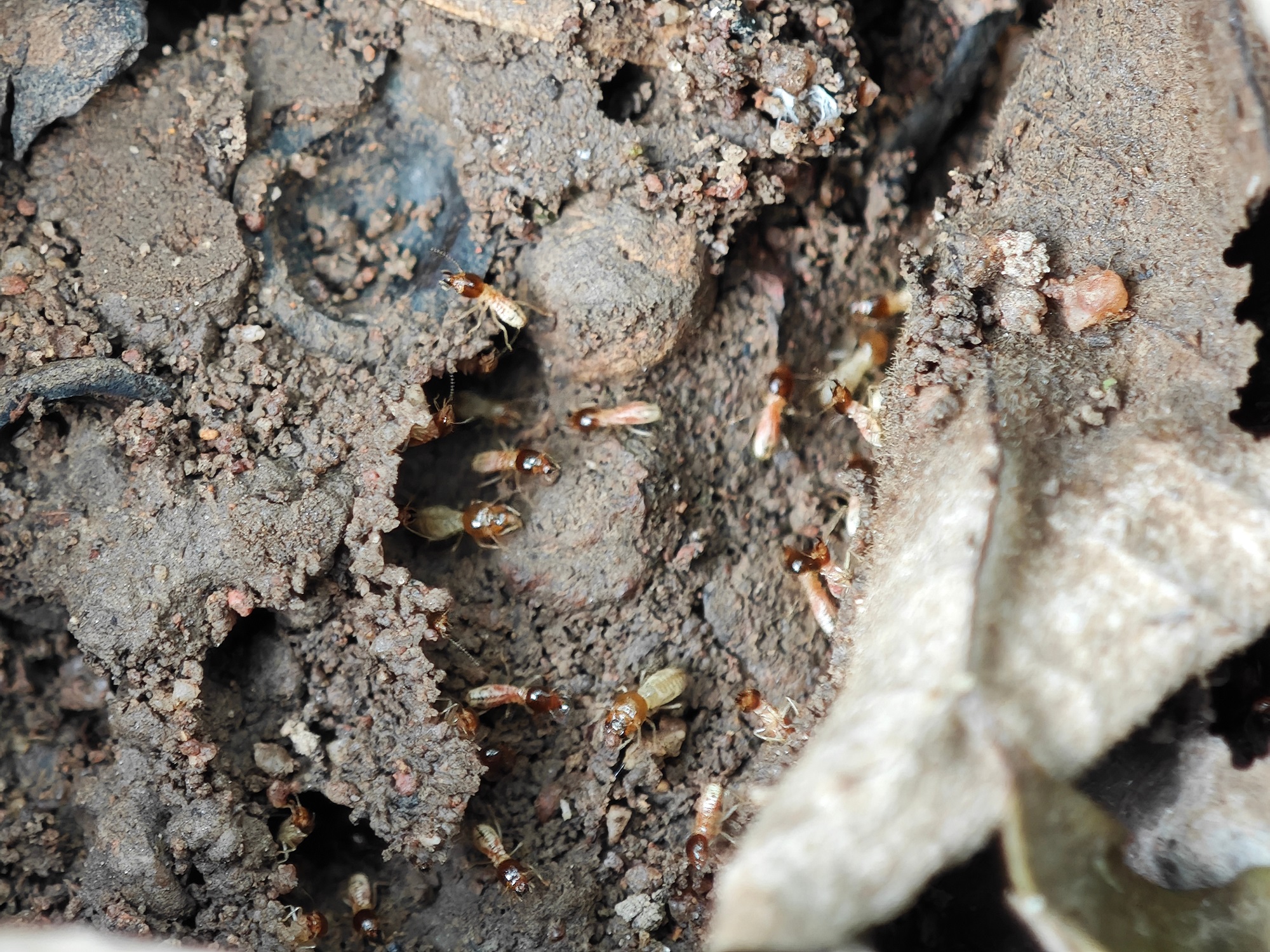
Why Regular Monitoring Matters Even When No Termites Are Visible
Sentricon bait stations require ongoing monitoring to help manage subterranean termites over time, even when a property shows no obvious signs of activity. For homeowners considering Sentricon in Salem OR, the key question is not simply how often stations should be checked, but whether they are being inspected and serviced according to the system’s requirements and the property’s conditions. A station that appears undisturbed from the outside cannot confirm that termites are absent, that bait remains in suitable condition, or that a colony has been eliminated.
There is no single inspection interval that applies to every property and every stage of treatment. The appropriate schedule depends on the product’s current instructions, the service agreement, the findings from previous visits, and whether termite activity or site changes require additional attention. Routine monitoring allows a termite professional to assess station condition, check for feeding activity, and determine whether maintenance or follow-up is needed.
How Often Should Sentricon Stations Be Checked?
Sentricon stations should be inspected according to the current manufacturer instructions and the service plan established for the property. Homeowners should not assume that a universal monthly, quarterly, or annual schedule applies to every installation. Different circumstances, including the system version, local conditions, and whether stations are part of an active termite treatment, can affect the recommended service interval.
Regular scheduled visits provide a consistent record of what is happening at the stations. During service, a trained technician may check station access and condition, look for evidence of termite feeding, assess the bait as appropriate for the system, and note any changes around the building that could affect monitoring. The exact procedure depends on the station design and the manufacturer’s directions, so inspection should follow the applicable product guidance rather than an improvised schedule.
The frequency of service may also change when termites are found. Evidence of feeding, suspected damage, or ongoing termite activity around the structure may warrant follow-up as part of the treatment plan. Conversely, a station with no visible feeding does not automatically require replacement or prove that the system has failed. It may simply mean that termites have not encountered that station during the period being assessed.
For homeowners in Salem, Oregon, seasonal rain, soil moisture, irrigation, and landscaping work can change conditions around the foundation. These factors do not establish a fixed inspection timetable, but they are useful context for a service provider reviewing the property’s station locations and performance. The most reliable approach is to follow the agreed service schedule and ask the provider when changes in site conditions warrant an earlier check.
What Happens During a Routine Sentricon Inspection?
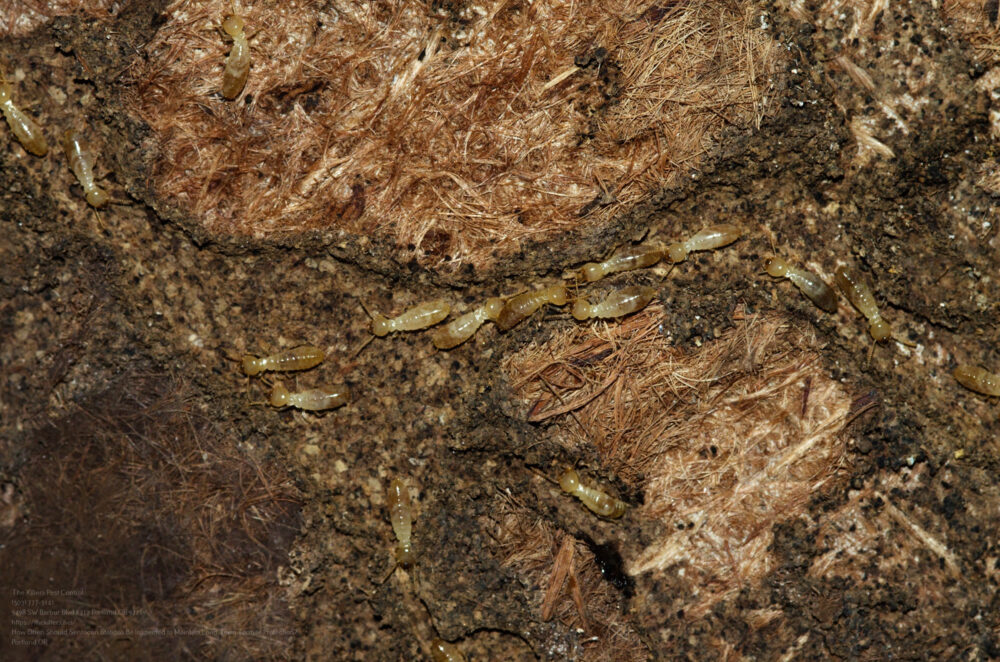
An inspection involves more than checking whether the station lid is still in place. Depending on the system and the service procedure, the technician may assess the station’s physical condition, check the monitoring or bait components, look for evidence of termite activity, and confirm that the station remains accessible. The findings help determine whether the system needs maintenance or whether further action is appropriate.
The Sentricon Always Active system’s manufacturer explains that its label directions allow a Certified Sentricon Specialist to service stations annually, although some service plans include more frequent visits. The manufacturer also notes that service schedules can be adjusted to suit a property’s needs. This means annual service may be appropriate for a qualifying installation, but it should not be assumed to apply to every baiting system or treatment situation.
During a visit, the technician may document activity or changes at individual stations. If termites are feeding, the findings can help guide decisions about bait condition and follow-up. If a station is damaged, missing, obstructed, or affected by changes in soil and landscaping, the technician can determine whether maintenance is needed. These checks support continuity of service, but they do not guarantee that every termite in the surrounding area will be detected during every visit.
Homeowners generally should not open, service, or refill Sentricon stations themselves. For more details about inspection schedules and professional maintenance, visit the official Sentricon FAQ page, which explains how often stations are serviced and why they must be maintained by a Certified Sentricon Specialist.
Protect Your Property From Hidden Termite Damage
Contact The Killers Pest Control and explore Sentricon solutions for property.
When is an Additional Inspection Worth Requesting?
A scheduled service visit may not be the only time a property needs attention. Significant changes to the foundation, suspected termite activity, or physical damage to stations may warrant contacting the service provider before the next routine visit. An extra check does not necessarily mean that the baiting system has failed; it allows a professional to assess whether the change affects the treatment plan.
Situations that may warrant a call include:
- A station has been struck by lawn equipment, buried during landscaping, or damaged during construction.
- New mud tubes, discarded termite wings, or suspected termite-damaged wood appear on the property.
- Irrigation leaks, drainage work, excavation, or new paving have changed the area around station locations.
- Another contractor has applied a pesticide or soil treatment near the stations.
- A station is missing, visibly disturbed, or no longer accessible for routine servicing.
The response depends on what has changed. For example, a buried station may primarily require restoration of its access, while new mud tubes on a foundation may warrant a broader assessment of the structure. A technician can determine whether the issue relates to the station system, another source of termite activity, or a separate condition requiring attention. Homeowners should avoid disturbing suspected termite galleries or applying unapproved chemicals around stations before the service provider has assessed the situation.
Why Inspection Results Matter More Than a Fixed Calendar
Inspection frequency is only one part of long-term termite management. The information gathered during each visit helps establish whether stations remain serviceable, whether termites have encountered the bait, and whether the property has developed conditions that could affect protection. A record of previous visits also provides context: a station that was inactive last time may later show feeding. In contrast, a station that was previously accessible may become blocked after garden work.
Sentricon bait contains an active ingredient that interferes with termite development after termites feed on it. The baiting process depends on termites finding the station and feeding, so the time needed to affect a subterranean termite colony can vary. An inspection can establish what is happening at the station, but a single visit cannot necessarily confirm that the entire colony has been eliminated. Any claim about colony elimination should be based on the service provider’s findings and the applicable treatment guidance, not merely on the absence of visible termites.
It is also useful to distinguish station monitoring from a full property inspection. Checking bait stations focuses on the installed system and evidence of activity at those points. A broader termite assessment may involve looking for signs of termites elsewhere on the property, including mud tubes, wood damage, and conditions that could allow termites to reach the structure. The appropriate scope depends on the reason for the visit and the service being provided. A station check should not automatically be treated as a complete assessment of every concealed structural area.
Long-term protection also depends on maintaining the service arrangement. If a homeowner purchases a property with existing Sentricon stations, the previous service history and current agreement should be confirmed instead of assuming the stations remain actively monitored. The manufacturer advises owners of homes with existing stations to reactivate the service agreement so that the system can continue to be maintained.
Maintaining Protection Through Changing Seasons
Seasonal conditions can affect termite foraging and the practical condition of outdoor stations. Still, they do not create a universal rule that stations must be inspected more frequently in a particular month. In Salem, wet weather can leave soil damp and landscaping saturated, while summer irrigation can maintain moisture around foundations during drier periods. Storms, garden renovations, and routine yard maintenance may also disturb station locations. These changes are useful reasons to keep an eye on the property’s exterior and report relevant developments to the service provider.
A seasonal walk around the property can help homeowners notice visible changes without interfering with the stations. The foundation area should remain reasonably clear for observation, drainage problems should be addressed, and wood debris should not be left against the building. If a station disappears beneath new mulch or becomes difficult to reach, the issue should be reported instead of attempting to relocate it. These simple habits complement professional servicing, but they do not replace the manufacturer’s inspection and maintenance requirements.
Keep the Service Schedule Matched to the Property
The most useful inspection schedule is one that follows the specific Sentricon system’s instructions and accounts for the property’s treatment history, station condition, and observed termite activity. Some Always Active installations may be serviced annually under the manufacturer’s label directions, while additional visits may be appropriate when site conditions or inspection findings call for them. The schedule should be confirmed with the service provider rather than based on a general rule found online.
For homeowners considering Sentricon in Salem OR services, The Killers Pest Control can be contacted to discuss termite baiting and ongoing protection options. Confirming the system’s service history, asking when the next inspection is due, and reporting any new signs of termites can help keep the treatment plan on track. Long-term protection depends not just on having stations in the ground, but on maintaining the system according to its requirements and responding appropriately when conditions change.
Protect Your Property From Hidden Termite Damage
Contact The Killers Pest Control and explore Sentricon solutions for property.