
Smart Termite Protection Starts Long Before Termites Ever Reach the Walls of a Home
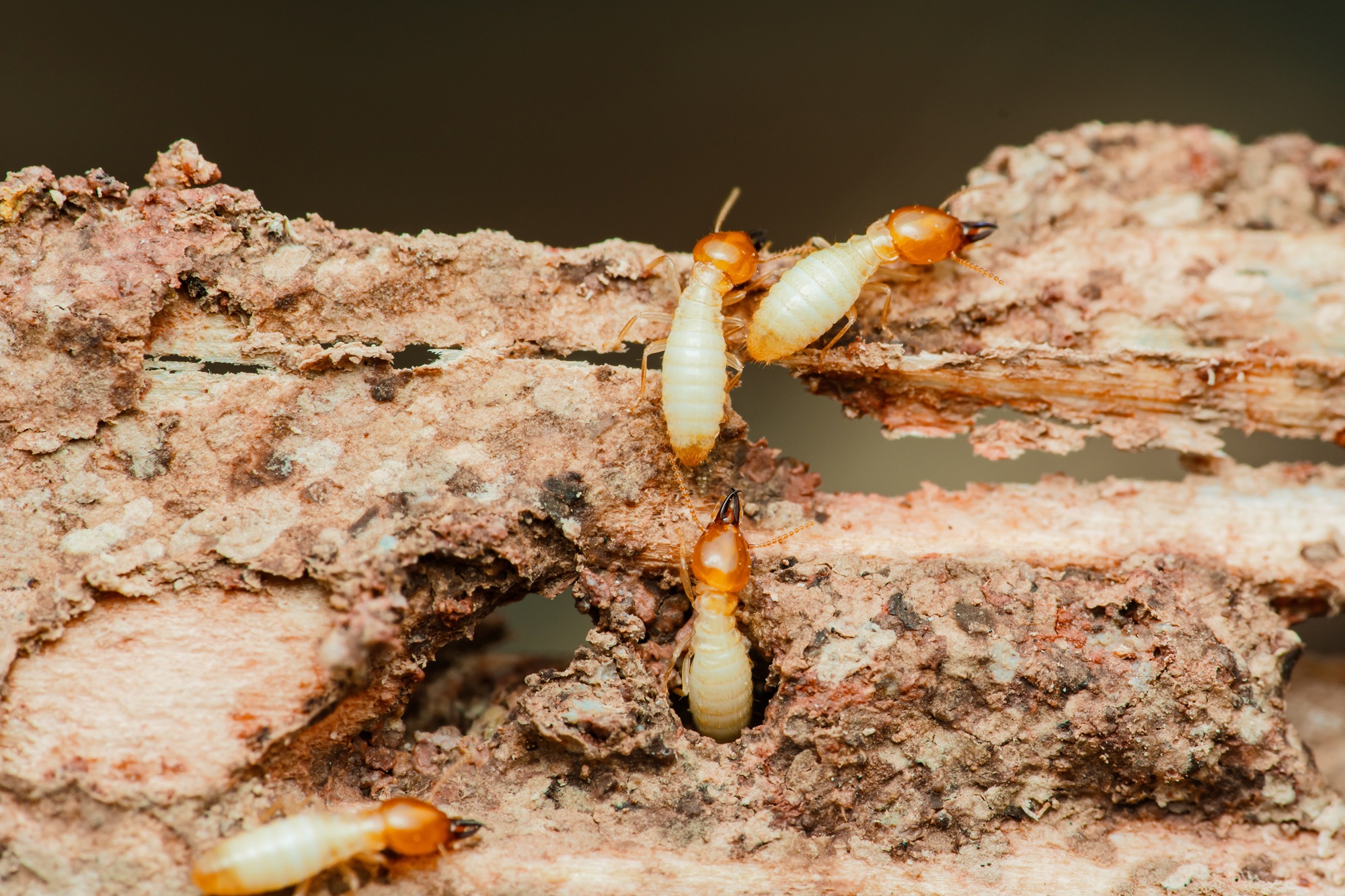
Most termite problems begin underground, far away from where homeowners first notice damage. By the time Hollow-sounding wood, Piles of wings, or visible Mud tubes appear, a termite colony may already be active beneath the structure. That’s why modern Sentricon in Newport OR focus heavily on perimeter mapping techniques that intercept Subterranean Termites before they reach vulnerable areas.
The Sentricon® System uses strategic station placement, soil analysis, moisture evaluation, and termite behavior tracking to maximize interception coverage around homes and commercial structures. By mapping entry points, termite travel paths, and high-risk soil zones, Certified Sentricon Specialists create more effective termite treatment plans that support long-term colony elimination and home protection.
Sentricon installations maximize termite interception coverage by mapping soil moisture, structural entry points, termite travel routes, landscaping conditions, and foundation vulnerabilities. Strategic placement of Sentricon bait stations around structures helps intercept active termite colonies early, improve long-term Termite protection, and reduce the risk of structural damage.
Why Perimeter Mapping Matters More Than Many Homeowners Realize
Termites don’t move randomly. Subterranean Termites follow hidden underground pathways influenced by soil conditions, moisture levels, temperature, and nearby food sources.
That’s where perimeter mapping becomes critical.
Instead of treating only visible activity, Sentricon Systems analyzes how termites naturally approach a structure. Professionals evaluate crawl spaces, foundation joints, mulch beds, drainage patterns, wood-to-soil contact areas, and hidden entry points that may attract active termite colonies.
People also ask: Why are termite bait stations placed around the perimeter of a home? Bait stations are installed around the perimeter because termites typically travel underground before entering structures. Strategic perimeter placement increases the chance of intercepting worker termites before structural feeding begins.
In coastal areas like Newport OR, damp soil and consistent moisture often accelerate termite activity. Older homes with poor drainage or aging foundations face even greater risks during seasonal shifts in weather.
That’s why detailed perimeter mapping has become a major part of modern pest prevention strategies.
Why Interception Coverage Protects More Than Just Wood Framing
Termites rarely stay confined to one small area.
Once a colony establishes stable feeding routes beneath a property, termites may spread into support beams, flooring systems, wall cavities, and even hidden framing near plumbing systems.
That’s why effective Termite protection helps preserve far more than cosmetic surfaces.
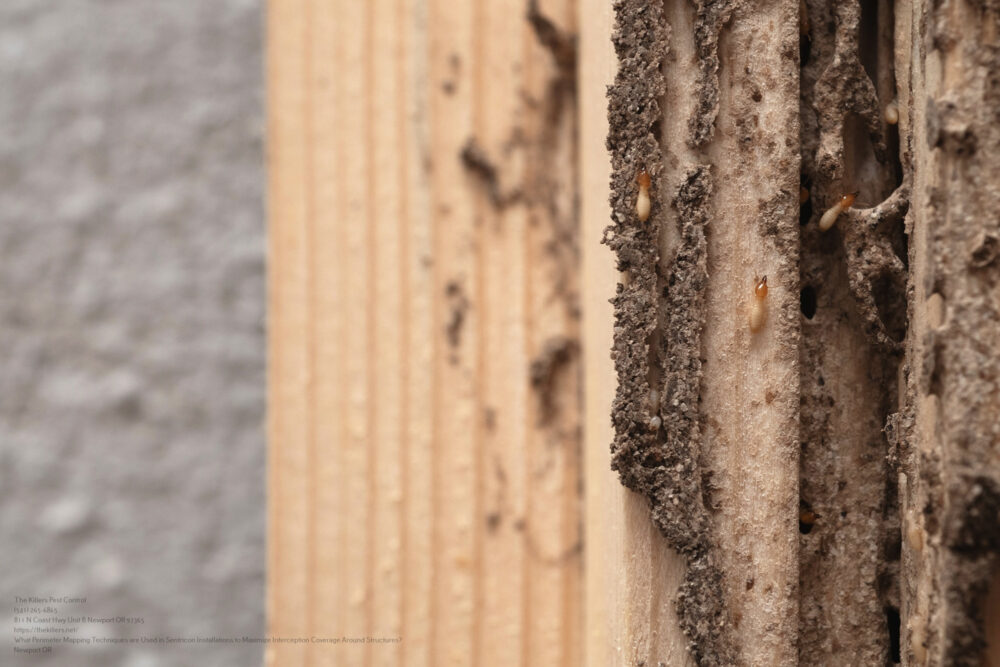
The Sentricon Termite Colony Elimination System focuses on disrupting termite activity early through specialized bait and Always Active™ Technology, which maintains ongoing monitoring conditions.
Compared to older liquid-heavy approaches, environmentally friendly Sentricon bait strategies also help reduce concerns involving groundwater contamination around residential properties.
The United States Environmental Protection Agency explains that Integrated Pest Management approaches emphasize prevention, monitoring, and reduced-risk treatment methods to improve long-term pest control outcomes. Additional information can be found here:
For homeowners, this creates Peace of Mind, knowing termite risks are continuously monitored rather than addressed only after visible damage appears.
Need Reliable Termite Protection for Your Home?
Contact The Killers Pest Control today for trusted pest control solutions!
5 Perimeter Mapping Mistakes that Weaken Termite Protection
Many homeowners assume termite treatment means placing bait stations evenly around a property. In reality, improper placement can significantly reduce interception performance.
- One common mistake involves ignoring moisture-heavy landscaping zones. Termites often prefer damp soil near gutters, irrigation runoff, or shaded mulch beds.
- Another issue occurs when installers overlook hidden entry points near utility penetrations, HVAC systems, or crawl space vents.
- Some properties also suffer from inconsistent spacing between Sentricon stations. Large gaps may allow worker termites to bypass the monitoring system entirely.
- Ignoring nearby wood debris is another frequent problem. Firewood stacks, buried roots, and untreated fencing can attract termite colonies to the structure.
- Lastly, many homeowners wait until visible termite damage appears before scheduling pest control services. By then, structural integrity may already be compromised.
The Killers Pest Control helps prevent these issues through comprehensive mapping techniques tailored to local Newport, OR conditions.
How Sentricon in Newport, OR Systems Create Stronger Interception Coverage
Every property has different termite risks. That’s why Sentricon in Newport OR installations focus on customized perimeter mapping rather than one-size-fits-all station placement.
Certified Sentricon Specialists study several critical factors before installation begins:
- Soil moisture concentration
- Foundation design and drainage flow
- Wood structures near soil contact
- Existing Mud tubes or visible termite activity
- High-risk landscaping zones
- Previous termite treatment history
- Nearby ant colony or pest activity
The goal isn’t simply to surround the property with bait stations. It’s to predict how termites naturally move underground and intercept them before widespread termite damage develops.
Properties near coastal moisture zones often require additional monitoring because wet soil supports larger active termite colonies throughout much of the year.
This strategic planning strengthens the overall colony elimination system while improving long-term home protection.
The Mapping Details Professionals Look for During Installation
Professional perimeter mapping often involves much more than homeowners expect.
Certified Specialists examine how water flows around foundations after rainfall. They evaluate whether nearby sidewalks, retaining walls, or landscaping create hidden moisture pockets that encourage termite movement.
They also study potential obstacles to pest prevention.
For example, compacted soil, decorative stone barriers, or buried construction debris may unexpectedly redirect termite travel routes.
Several installation adjustments commonly improve interception coverage:
- Placing in-ground stations near moisture transition zones
- Increasing station density around vulnerable wood structures
- Monitoring shaded soil areas more aggressively
- Adjusting spacing near drainage systems or crawl spaces
- Using above ground stations where direct termite activity appears
These customized adjustments strengthen interception performance while improving the effectiveness of Recruit HD termite bait distribution throughout active termite colonies.
Real-World Termite Behavior Often Surprises Homeowners
One Newport OR homeowner initially noticed only a few scattered piles of wings near a garage window. There was no obvious structural damage, and the property owner assumed the activity was temporary.
During perimeter mapping, technicians discovered several hidden mud tubes near a crawl space foundation, along with damp soil conditions behind landscaping retaining walls.
Further monitoring revealed active termite colonies using underground travel routes extending beneath multiple sides of the property.
Without strategic station placement, much of that activity would have remained undetected.
Cases like this demonstrate why professional exterminating services rely heavily on mapping termite behaviors rather than reacting only to visible warning signs.
The Killers Pest Control uses those inspection findings to create targeted treatment plan strategies tailored to each property’s risk profile.
Why Ongoing Monitoring Matters After the Initial Installation
Installing Sentricon bait stations is only part of the process.
Termite behavior changes throughout the year in response to shifts in moisture and temperature, as well as seasonal feeding cycles. Some colonies expand aggressively during warmer months, while others relocate when soil conditions fluctuate.
That’s why ongoing inspections remain essential.
Certified Specialists monitor bait consumption, inspect in-ground stations, and evaluate whether termite activity patterns shift over time.
Consistent monitoring also helps identify new entry points before widespread termite damage develops.
For homes in Newport, OR, especially those exposed to heavy moisture or older construction, ongoing monitoring significantly improves long-term interception success and structural protection.
Why The Killers Pest Control is the Smart Choice for Reliable Termite Protection
We at The Killers Pest Control provide the best solutions to our customers by combining advanced perimeter mapping techniques with professional Sentricon monitoring strategies tailored to local termite conditions. Our team carefully evaluates entry points, moisture conditions, and termite travel routes to create customized termite treatment plans that protect long-term structural integrity.
As certified Sentricon specialists, we proudly deliver environmentally friendly pest control services supported by detailed inspections, dependable monitoring, and responsive customer care throughout Newport OR.
From ant control and bed bug treatment to rodent removal, pest prevention, termite treatment, and full exterminating services, we showcase dependable solutions focused on home protection and long-term Peace of Mind.
Contact The Killers Pest Control today for trusted termite control and professional Sentricon in Newport OR.
Need Reliable Termite Protection for Your Home?
Contact The Killers Pest Control today for trusted pest control solutions!