
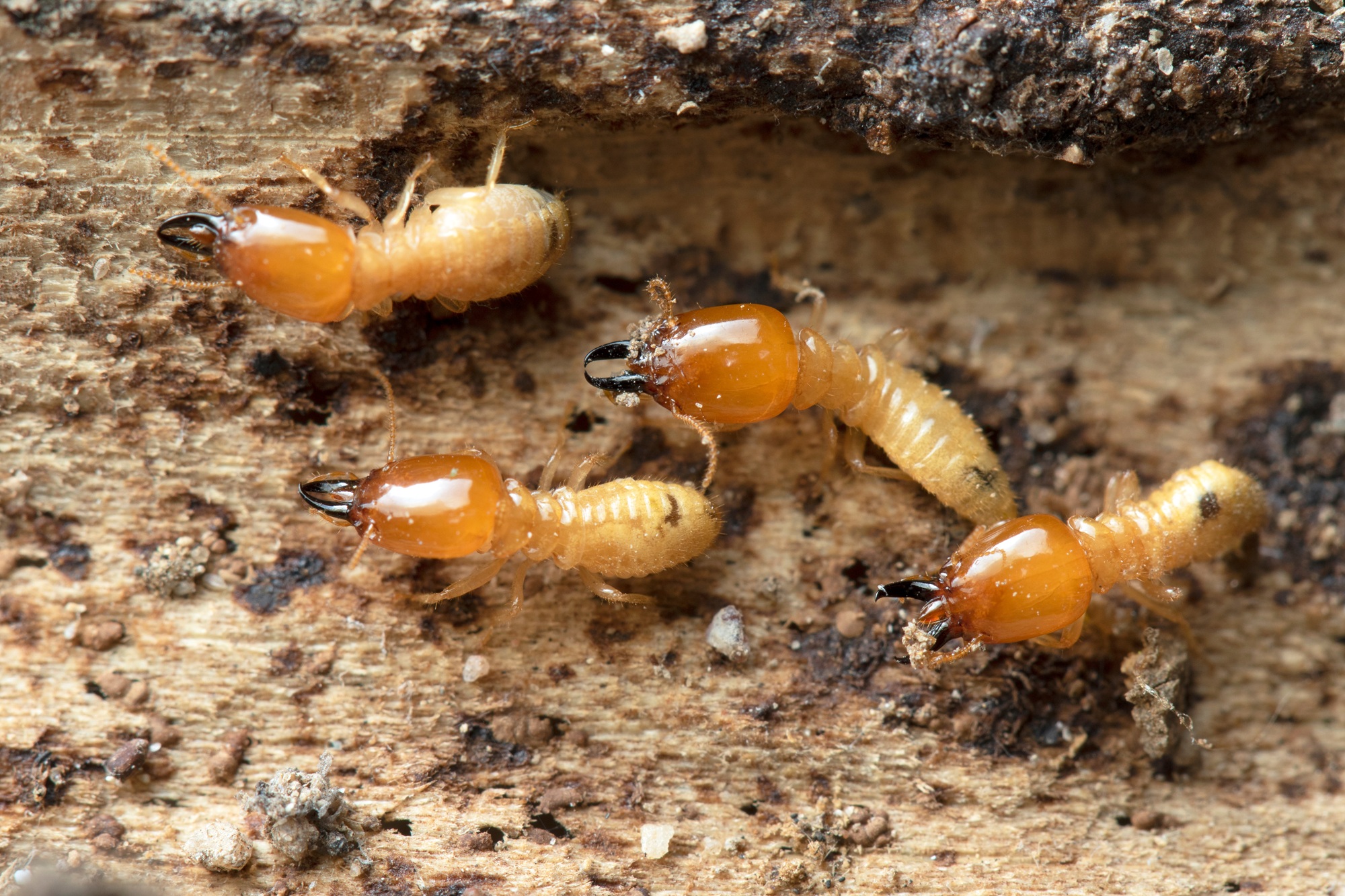
Why Termite Activity Changes With the Seasons — and How Smart Monitoring Stays One Step Ahead
Termites don’t stay equally active year-round. Their feeding behavior, travel routes, and colony expansion patterns shift with soil moisture, temperature changes, and seasonal weather conditions. That’s why advanced monitoring systems like Sentricon in Newport OR rely on long-term adaptive strategies rather than one-time termite treatment approaches.
The Sentricon® System adjusts monitoring intervals, bait placement analysis, and inspection priorities based on seasonal termite movement and feeding behavior. By tracking changing colony patterns throughout the year, Certified Sentricon Specialists can strengthen home protection, improve colony elimination success, and reduce the risk of hidden termite damage before it spreads.
Sentricon systems adapt to seasonal termite behavior by adjusting monitoring schedules, evaluating moisture conditions, tracking feeding activity, and strategically inspecting bait stations during high-risk periods. Long-term monitoring helps identify active termite colonies early, improve colony elimination and protect structural integrity year-round.
Seasonal Termite Behavior Is More Complex Than Most Homeowners Think
Many people assume termites only become active during warm spring weather. In reality, Subterranean Termites remain active throughout much of the year, especially in damp coastal regions like Newport OR.
What changes is how they move.
During colder months, termite colony activity often shifts deeper underground where soil temperatures remain stable. In warmer seasons, feeding behavior becomes more aggressive, especially when moisture levels rise near foundations and crawl spaces.
That’s why modern Sentricon systems don’t rely on static treatment plans.
People also ask: Do termites stop feeding during winter? Not entirely. Subterranean termites often continue feeding below the frost line or inside temperature-controlled structures. Activity may slow, but colonies frequently remain active year-round.
In coastal Oregon, consistent moisture creates an environment where termite activity can persist through multiple seasons without obvious warning signs.
This makes long-term monitoring essential for proper pest prevention and structural protection.
The Role Moisture and Temperature Play in Termite Feeding Patterns
Termites are extremely sensitive to environmental changes.
Heavy rainfall often increases feeding activity because moist soil makes tunneling easier for worker termites. Dry periods may push colonies toward plumbing leaks, crawl spaces, or shaded foundation areas where moisture remains stable.

In Newport OR, coastal humidity creates particularly favorable conditions for active termite colonies throughout much of the year.
That’s why Certified Sentricon Specialists monitor not just the stations themselves, but also the surrounding environmental conditions that affect termite movement.
According to the United States Environmental Protection Agency, integrated pest management strategies emphasize ongoing monitoring and environmental evaluation to improve pest prevention and reduce unnecessary pesticide exposure. More information is available here:
This environmentally friendly approach supports more precise termite treatment planning while reducing concerns about groundwater contamination.
Need Reliable Year-Round Termite Protection?
Contact The Killers Pest Control today for trusted pest control solutions!
5 Common Monitoring Mistakes that Weaken Long-Term Termite Protection
- One major mistake homeowners make is assuming termite treatment ends after installation. Long-term protection depends heavily on consistent monitoring.
- Another issue involves ignoring seasonal moisture changes. Wet winters and damp crawl spaces can increase feeding activity around foundations.
- Some homeowners also wait until visible mud tubes or structural damage appear before requesting inspections. By then, the termite colony may already be well established.
- Poor landscaping drainage creates another problem. Excess moisture near wood structures often attracts termites toward vulnerable entry points.
- Finally, skipped inspections reduce the effectiveness of Sentricon bait stations. Colonies shift their feeding routes throughout the year, and inactive monitoring schedules may miss important changes in activity.
The Killers Pest Control helps homeowners avoid these issues by tailoring inspection frequency and monitoring strategies to changing seasonal conditions.
How Sentricon Systems Adapt to Changing Termite Behavior
Effective termite protection requires more than placing bait stations around a structure and walking away.
During spring and early summer, termite movement often increases dramatically. Swarming activity, expanding feeding zones, and new colony growth increase the risk near foundations, landscaping, and crawl spaces.
In wetter seasons, Sentricon in Newport OR monitoring strategies may involve more frequent inspections in areas with high moisture levels where termites remain highly active.
During drier conditions, termites sometimes relocate deeper underground in search of stable moisture. Certified Sentricon specialists monitor these behavioral shifts closely and evaluate whether additional inspection focus is needed near irrigation systems, drainage areas, or hidden entry points.
The Sentricon Termite Colony Elimination System works best when monitoring evolves alongside termite behaviors.
That adaptability is one reason many homeowners choose Sentricon Systems for long-term home protection.
Why Monitoring Frequency Matters More During High-Risk Seasons
Spring isn’t the only season that matters.
Fall moisture increases, storm runoff, and shifting soil conditions can all influence termite movement patterns near structures. Even mild winters may support continued feeding activity beneath homes.
That’s why monitoring schedules often become more aggressive during certain periods of the year.
Professionals evaluate:
- Soil moisture changes
- Bait consumption rates
- Foundation moisture levels
- Signs of active feeding
- New termite travel routes
- Swarm activity near structures
- Seasonal entry point vulnerabilities
The Sentricon® System uses Always Active™ Technology to maintain ongoing monitoring conditions instead of relying solely on reactive treatments.
This helps create greater Peace of Mind for homeowners concerned about hidden termite damage developing between inspections.
Why Long-Term Monitoring Protects More Than the Visible Structure
Many termite problems begin long before visible warning signs appear.
A homeowner may notice only small issues, such as soft trim, faint Maze-like patterns in wood surfaces, or a few scattered Piles of wings near windows. Meanwhile, termites may already be expanding feeding tunnels beneath the property.
Long-term monitoring helps identify these changes earlier.
The Sentricon bait system works by targeting worker termites as they feed and return to the termite colony. Specialized bait, including Recruit HD termite bait, spreads gradually throughout the colony elimination system over time.
This slow distribution process becomes especially effective when inspections continue consistently across changing seasons.
Without long-term monitoring, shifts in termite movement may go unnoticed until significant structural integrity issues develop.
Real-World Seasonal Shifts Often Surprise Property Owners
One homeowner near Newport, OR, initially believed termite activity had disappeared after a dry-summer inspection showed reduced bait consumption.
But during the following rainy season, increased moisture around the crawl space created renewed feeding activity beneath the structure.
Technicians discovered fresh Mud tubes forming near utility penetrations and identified expanding feeding routes beneath a section of older wood framing.
Because Sentricon bait stations were already in place and regularly monitored, the activity was identified before widespread termite damage occurred.
Situations like this highlight why adaptive monitoring strategies matter so much in coastal environments.
Seasonal shifts rarely follow a predictable calendar.
The Smartest Termite Protection Plans Adjust Year-Round
The most effective termite treatment plans remain flexible.
Instead of treating every property identically, professional pest control services adjust monitoring schedules, station evaluations, and inspection priorities based on real environmental conditions and seasonal pest behavior.
That’s especially important in areas with fluctuating rainfall and coastal exposure to moisture.
Long-term termite protection depends on recognizing when feeding activity rises, where worker termites relocate, and how colonies respond to changing soil conditions.
That’s why adaptive monitoring remains a central part of the Sentricon Systems approach.
And for homeowners, it creates stronger protection without relying entirely on aggressive liquid-heavy chemical treatments.
Why The Killers Pest Control is the Smart Choice for Year-Round Monitoring
We at The Killers Pest Control provide the best solutions to our customers by combining advanced Sentricon monitoring strategies with customized termite treatment plans tailored to seasonal conditions. Our team carefully tracks feeding behavior, moisture conditions, and termite movement patterns to strengthen long-term structural protection.
As Certified Sentricon Specialists, we proudly offer environmentally friendly pest control services that prioritize consistent inspections, responsive customer care, and dependable colony-elimination strategies throughout Newport, OR.
From bed bug treatment and ant control to pest prevention, termite treatment, and full pest control services, we showcase professional solutions focused on home protection and year-round Peace of Mind.
Contact The Killers Pest Control today for trusted termite control and long-term Sentricon in Newport OR.
Need Reliable Year-Round Termite Protection?
Contact The Killers Pest Control today for trusted pest control solutions!