Is that Ant Trail a Food Run Or a New Colony Taking Shape?
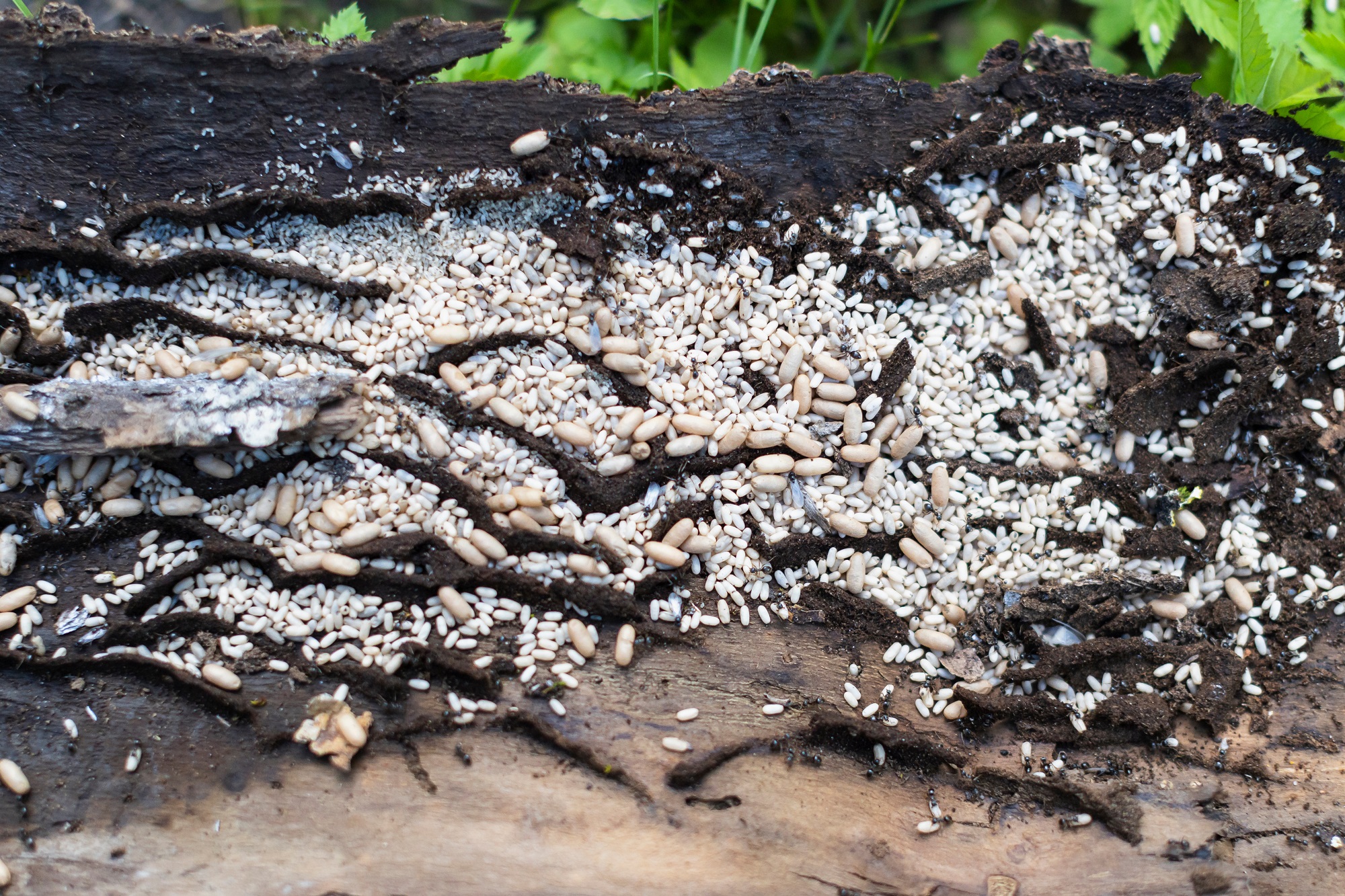
Seeing ants travel across a kitchen counter doesn’t necessarily tell you where the colony is. Workers may be foraging from an outdoor nest, traveling between multiple nesting sites, or establishing a satellite colony closer to food and shelter.
For ant removal in Vancouver WA, distinguishing these patterns helps a pest control professional decide where to concentrate inspection and treatment. Foraging activity usually connects workers to food, water, or other resources, while satellite colony expansion can involve ants establishing an additional nesting site that supports continued activity.
Professionals compare worker movement, species behavior, nesting conditions, entry points, activity density, and changes over time to determine which pattern is more likely. Accurate identification matters because different ant species have different nesting habits and treatment requirements.
5 Mistakes that Can Hide a Growing Ant Colony
- One of the most common mistakes is assuming every trail represents a single nest. A worker may travel a considerable distance while foraging, so treating the point where ants are most visible can miss the actual nesting area. This can lead to temporary improvement followed by renewed activity.
- Another mistake is ignoring species identification. Carpenter ants don’t necessarily behave like sugar ants, pavement ants, moisture ants, or Odorous House Ants. Even ants that look similar to an untrained observer can differ in nesting preferences and food behavior.
- A third problem is treating activity intensity as proof of colony size. A large number of workers around a food source doesn’t automatically mean a huge colony is nesting immediately behind the wall. Conversely, a small number of ants doesn’t prove that the colony is insignificant.
- A fourth mistake is overlooking secondary nesting opportunities. Some ant species can establish additional nests when suitable food, moisture, and shelter are available.
- Finally, homeowners may repeatedly apply surface treatments without evaluating why ants continue returning.
The Killers Pest Control can help address these problems through inspection, pest identification, ant control, and appropriate extermination services rather than relying solely on visible worker activity.
How Can Ant Movement Reveal What is Really Happening?

An ant trail can look deceptively simple. Dozens of workers may appear to be moving in one direction. Still, that route could connect an established nest to a food source or represent activity from a nearby secondary nesting location. The distinction becomes important when ants keep appearing after an apparently successful treatment.
A pest control professional begins by observing where workers originate and where they travel. The inspection may include cracks around foundations, wall penetrations, windows, doors, crawl spaces, landscaping, slabs, and other areas that provide access or shelter. EPA guidance on Integrated Pest Management recommends monitoring and accurately identifying pests before selecting appropriate control measures, because different pests and conditions require different responses.
People Also Ask: How can you tell whether ants are coming from a nest or simply foraging? There isn’t one visual clue that answers the question every time. Instead, professionals look at repeated activity patterns, species characteristics, likely nesting environments, worker routes, and whether activity remains concentrated around a particular location.
Need Ant Removal For A Recurring Ant Problem?
Contact The Killers Pest Control today for professional ant control solutions.
Why Ant Removal in Vancouver WA Depends on Finding The Right Location
Precise treatment begins with understanding the difference between an ant’s travel route and its harborage location. If workers are foraging from an outdoor nest, treating an indoor trail may only remove the insects currently present. If a satellite colony is established within a wall cavity or another protected area, the inspection should consider that location a potential source of ongoing activity.
This distinction can save time and prevent a cycle of repeated treatments. Imagine ants appearing beside a kitchen window every morning. The immediate temptation is to treat the window area. But if workers enter through a small exterior gap and reach an indoor food source, the real solution may require a combination of targeted control and exclusion.
The Killers Pest Control can use this type of inspection-based thinking when evaluating an ant problem. The objective is to understand what the ants are doing before deciding what to treat.
Could the Pacific Northwest Environment Encourage Multiple Ant Pathways?
The Pacific Northwest offers numerous environmental factors for pest professionals to consider. Moisture, vegetation, soil conditions, shaded areas, building materials, and seasonal weather can influence where ants find food and shelter. That doesn’t mean every Vancouver property has conditions conducive to satellite colonies, but it does mean that outdoor and structural environments shouldn’t be viewed separately.
For example, an ant colony outside near landscaping may send workers indoors through a gap in the foundation. Another property could have suitable shelter closer to the structure, reducing the distance workers need to travel. In a third case, ants may find a protected void inside the building that offers conditions for continued activity.
The same principle applies to other pests, although their behavior differs. The Killers Pest Control provides services for bed bugs, rodent removal, rodent control, and flea treatments. Roof rats and Norway rats, for example, require different identification and management methods from ants. Treating every pest problem as though it follows the same pattern would undermine accurate pest management.
Environmentally friendly approaches can still involve effective control. Eco-conscious treatments, green pest control products, and other green methods should be selected according to the pest and circumstances rather than simply because they sound gentler. Integrated Pest Management is specifically designed to consider effectiveness alongside potential risks to people, property, and the environment.
What Should Homeowners Remember about Colony Expansion?
The biggest takeaway is that an ant trail is evidence of activity, not a complete map of the colony. A worker may be traveling from an outdoor nest, collecting food for an established colony, or moving between interconnected nesting locations.
A recurring ant problem warrants particular attention when activity repeatedly occurs in the same structural area, returns soon after treatment, or spreads to previously unaffected rooms. Those patterns don’t automatically prove satellite colony expansion, but they warrant a more detailed inspection.
This is where EPA’s Guide to Integrated Pest Management becomes useful as a general framework. Its emphasis on monitoring, accurate identification, prevention, and the selection of appropriate control methods supports a more measured approach to pest management. For homeowners dealing with persistent ant removal in Vancouver WA concerns, understanding the difference between foraging and colony expansion can help make treatment more targeted and prevention more practical.
Why The Killers Pest Control is a Smart Choice for Ant Management
We at The Killers Pest Control provide the best solutions for our customers by examining the behavior behind an ant problem rather than assuming every visible trail has the same cause. Our approach considers species identification, worker movement, potential nesting locations, structural access, environmental conditions, and practical prevention when developing a treatment plan.
We showcase excellent pest control services tailored to the conditions at each property. Whether customers need ant control, residential pest control, or other appropriate exterminator services, our goal is to provide professional guidance, careful inspection, and responsive customer service.
When ants keep returning, or activity appears to be spreading, contact The Killers Pest Control for professional ant inspection and treatment. For dependable ant removal in Vancouver WA, The Killers Pest Control can help distinguish foraging activity from possible colony expansion and select more precise treatment locations.
Need Ant Removal For A Recurring Ant Problem?
Contact The Killers Pest Control today for professional ant control solutions.