
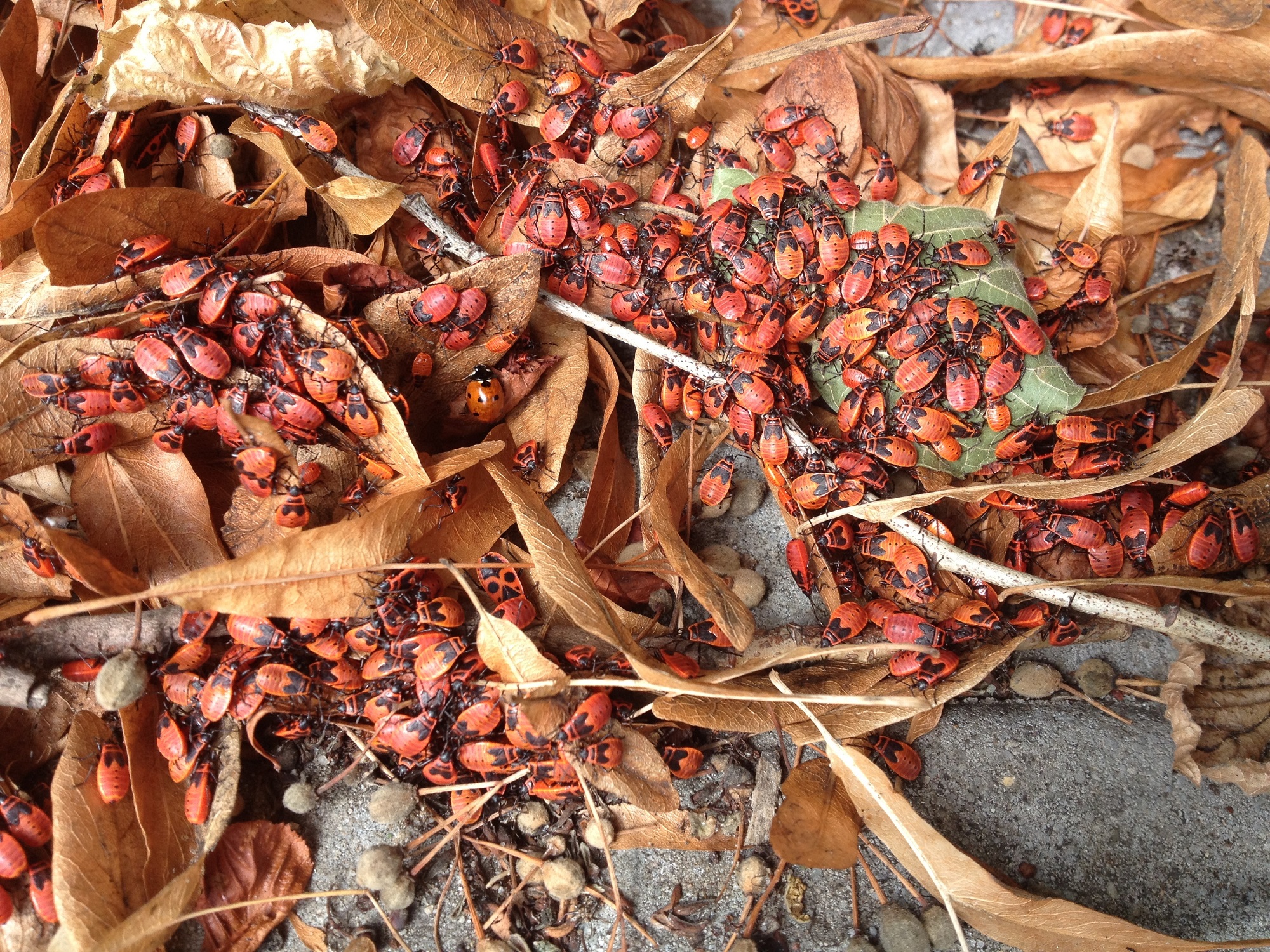
Why Fall Wall Clusters Can Reveal Where Boxelder Bugs Are Hiding
A sudden mass of red-and-black insects on a sunny home wall can seem like an indoor infestation waiting to happen. In Portland, understanding where these insects gather before they enter a structure can make control more targeted. Boxelder bug removal in Portland OR involves more than removing visible bugs; it means recognizing seasonal behavior, host trees, shelter, warmth, and likely pest entry points.
In brief, boxelder bug control begins by identifying where insects aggregate, why those locations attract them, and how they connect to the building. Seasonal inspections can reveal sunny exterior walls, tree trunks, cracks and crevices, wood stacks, leaf piles, and other harborage zones. Addressing these conditions before large numbers move indoors can support a more focused treatment plan and reduce repeated nuisance activity.
A closer look at the surrounding property can also reveal patterns that explain why boxelder bugs repeatedly appear in the same areas. A pest professional may examine nearby maple or boxelder trees, exterior walls that receive afternoon sunlight, foundation areas, and sheltered spaces where insects can gather before seeking protection indoors.
What Seasonal Behavior Reveals about Exterior Harborage Zones
Boxelder bugs don’t appear randomly around a property. The western boxelder bug, Boisea rubrolineata, is native to the western United States and is strongly associated with female boxelder trees, particularly those producing seeds. It can also use maple, ash, and some fruit trees. Oregon State University notes that adults aggregate around homes in fall, making seasonal clustering an important clue when evaluating nuisance activity.
The related eastern boxelder bug, Boisea trivittata, is also found in North America, so accurate identification is important before a pest control operator develops a response. Young insects can resemble other species, including certain stink bugs, while western boxelder bugs typically develop from red, wingless nymphs into black-and-red adults. What does this mean for a Portland homeowner? The pattern of activity, nearby host trees, season, and physical location can all help distinguish the problem.
Portland’s Pacific Northwest setting makes these observations especially useful. A property near maple and boxelder trees may experience seasonal concentrations even when the trees themselves aren’t immediately beside the house. OSU Extension explains that boxelder bugs can gather by the thousands on south- and west-facing walls as temperatures fall, particularly where those surfaces provide warmth.
How Boxelder Bug Removal in Portland OR Finds the First Warning Signs

One common mistake is focusing only on the insects already inside. By that point, the exterior harborage zone may have been active for weeks. Another mistake is assuming that removing one boxelder tree will automatically solve the problem. OSU Extension cautions that nearby trees, including other maples, can continue supporting boxelder bugs.
A second problem is overlooking small structural openings. Bugs searching for protected winter shelter can exploit gaps around windows, siding, attic junctions, vents, doors, and other pest entry points. A third mistake involves treating every visible insect with broad insecticide sprays without first determining where the population is coming from. That approach can miss the conditions sustaining the seasonal aggregation.
Homeowners may also overlook landscape harborage, such as woodpiles, leaf and rock piles, large rocks, tree trunks, or sheltered areas near building exteriors. Even storm drains and shaded structural edges can become relevant when mapping how insects move around a property. The Killers Pest Control approaches pest control through inspection and customized treatment planning, helping to identify pest activity and conducive conditions rather than relying on a one-size-fits-all response.
Need Boxelder Bug Removal?
Contact The Killers Pest Control today for reliable, professional service.
Which Conditions Should Homeowners Watch Before Fall Arrives?
A useful seasonal inspection starts with the landscape and works toward the structure. Homeowners can watch for seed-bearing box elder, maple, and ash trees, as well as other potential host plants, particularly where branches or trunks are close to the home. The western boxelder bug commonly feeds on the leaves and seed pods of female box elder trees, so identifying these trees can provide an important clue.
Professionals can then examine the building for cracks, crevices, loose siding, gaps around windows and doors, and other possible entry points. Sealing cracks and completing appropriate structural repairs can reduce opportunities for insects to move indoors. Physical removal can also have a role once bugs are inside; OSU Extension specifically identifies a vacuum cleaner as an effective way to remove boxelder bugs from homes.
A practical seasonal approach can be summarized in three connected steps: identify host trees and exterior aggregation zones, inspect and address pest entry points, and determine whether targeted exterior treatment or other control measures are warranted. The timing matters because seasonal pest behavior shifts from spring and summer activity toward fall aggregation and winter shelter-seeking as temperatures cool.
How the Right Treatment Plan Connects the Yard to the Building
The strongest boxelder bug management plans connect exterior conditions with interior risk. Treating the building without considering host trees can leave the source untouched. Likewise, focusing only on trees may overlook structural gaps that allow insects to reach protected spaces. The objective is to understand the complete route from aggregation zone to potential indoor harborage.
This is particularly relevant across the Pacific Northwest, where seasonal temperature changes influence when overwintering insects become active. OSU Extension reports that western boxelder bugs overwinter as adults, emerge in spring, reproduce on suitable host trees, and aggregate again in warm, sunny areas as temperatures cool in fall. That cycle explains why a property can appear quiet for months before suddenly experiencing heavy exterior activity.
For homeowners seeking box elder bug removal & control, the key takeaway is that prevention isn’t simply about killing visible insects. Sealing cracks, managing conducive conditions, monitoring host trees, and using appropriately targeted exterior treatment can all form part of a broader pest control strategy. The Killers Pest Control can evaluate these factors and develop a treatment plan tailored to the specific property, rather than assuming that every seasonal infestation behaves the same way.
What Portland Homeowners Should Remember Before the Next Aggregation
Boxelder bug activity is closely tied to seasonal movement, host plants, warm exterior surfaces, and sheltered locations. Female boxelder trees and other hosts can support populations, while sunny walls and structural gaps can become staging areas before insects move indoors. Recognizing these connections early can help homeowners respond before large numbers reach living spaces.
The most useful lesson is simple: visible insects are often only one piece of the problem. A complete inspection considers the landscape, building exterior, tree trunks, potential pest entry points, and indoor shelter. For property owners looking for boxelder bug removal in Portland OR, this whole-property approach can provide a more informed path toward seasonal pest management.
Why The Killers Pest Control is a Smart Choice for Seasonal Bug Control
We at The Killers Pest Control provide the best solutions for our customers by combining detailed inspections with treatment plans tailored to the pest activity on each property. Our family-owned pest control company has served Oregon communities for decades, with the Portland metro area added to our service footprint in 1996.
Our excellent services focus on identifying where pests are active and determining the conditions that allow them to return. We also take environmental considerations seriously and use appropriate methods based on the property’s circumstances.
When seasonal aggregation starts appearing around your home, contact The Killers Pest Control for professional pest control and a property-specific evaluation. For dependable boxelder bug removal in Portland OR, The Killers Pest Control can help identify exterior harborage zones and address the conditions that lead to indoor invasion.
Need Boxelder Bug Removal?
Contact The Killers Pest Control today for reliable, professional service.