
Why Changing Weather Patterns Matter When Measuring Termite Baiting Results
Termite activity does not remain constant throughout the year, so a quiet bait station does not necessarily mean a subterranean termite colony has disappeared. For property owners researching Sentricon in Newport OR, the key is understanding how seasonal foraging patterns affect bait discovery, feeding, and long-term monitoring.
Sentricon uses targeted bait stations to reach foraging termites, but interpreting the results requires more than checking whether termites appear during a single visit. Temperature, soil moisture, and changing access to food can all influence the evidence available to a termite professional.
A reliable assessment separates changes in termite behavior from actual changes in colony activity. This distinction matters because reduced feeding during a single season may reflect a temporary shift in termite movement, whereas sustained reductions across multiple monitoring visits provide stronger evidence of suppression.
How Seasonal Changes Influence Subterranean Termite Foraging
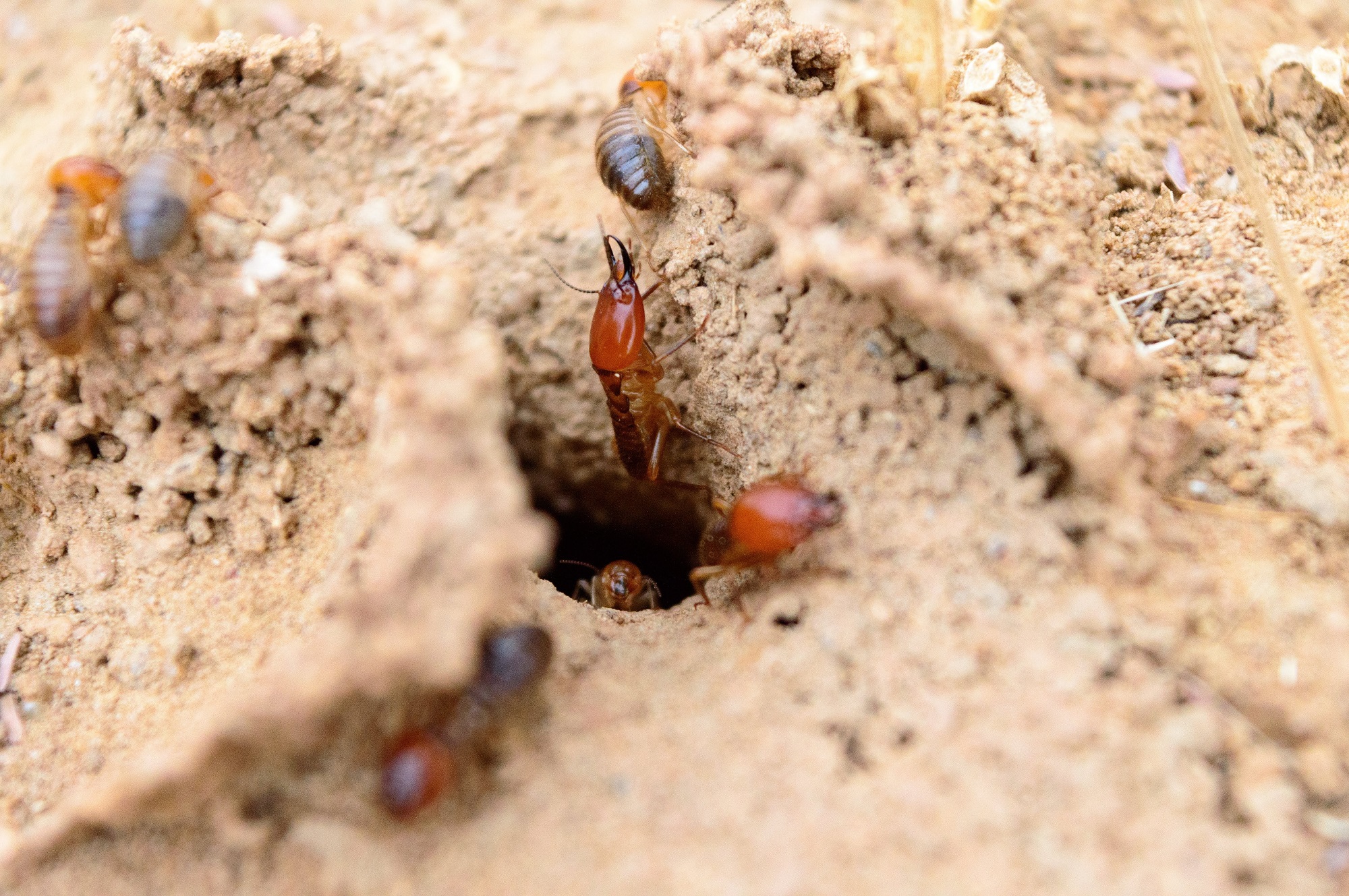
Subterranean termites depend on suitable underground conditions to travel between their colony and food sources. Soil temperature and moisture affect how actively they forage and how close they remain to the surface. When surface soil becomes too cold, too hot, or too dry, termites may reduce their activity in that area or forage deeper underground, where conditions are more favorable. Their food supply, competing feeding sites, and the layout of their underground tunnels can also influence which locations they visit.
These changes mean that a station receiving regular termite activity in one season might show less activity later, even if the colony remains present. Research and university extension guidance on termite baiting recognize that the time termites require to locate and feed on stations varies with weather, soil conditions, and foraging intensity. Seasonal patterns also differ by termite species and region, so activity observed in one climate should not automatically be treated as a reliable schedule for another.
In Newport, Oregon, the coastal climate makes local site conditions especially relevant. Rainfall, drainage, shaded soil, irrigation, and moisture near foundations can create different underground environments on the same property. Seasonal changes should therefore inform the interpretation of station findings, rather than serve as a fixed calendar for predicting exactly when termites will feed.
How Sentricon Baiting Fits Into Long-Term Monitoring
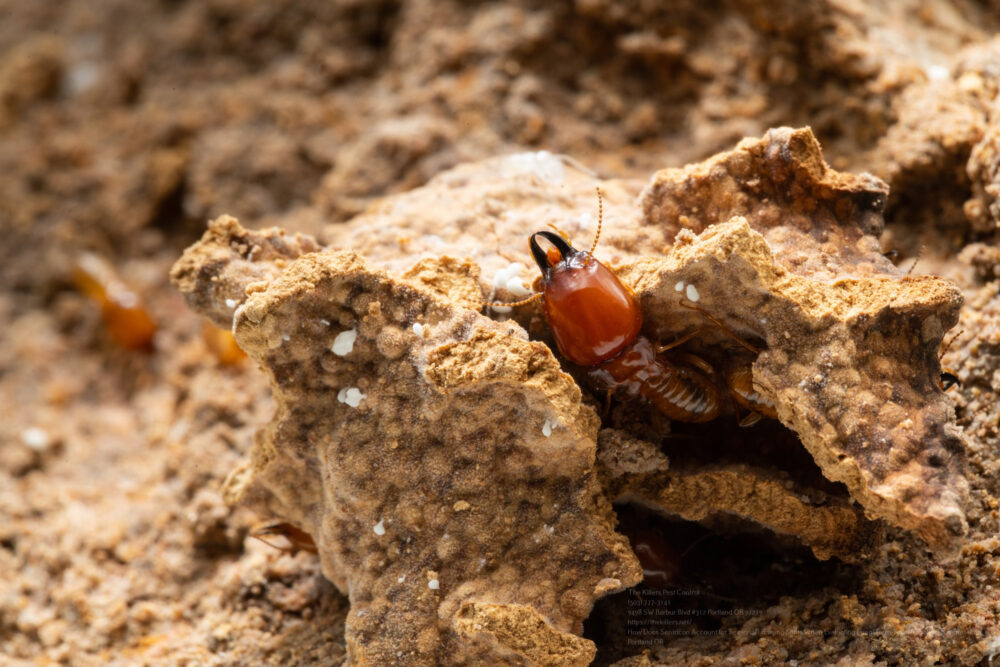
Sentricon is designed to use termite foraging behavior as the route for delivering bait. The bait contains an active ingredient intended to disrupt termite development, and foraging workers can distribute the material to other colony members. The process is gradual, so changes in activity should be evaluated over time rather than expected immediately.
The key distinction is between bait availability and bait consumption. Having bait present throughout a station does not mean termites have found it, and a station that has not been fed upon does not necessarily mean termites are absent from the property. Seasonal movement, alternative food sources, soil conditions, and station placement can all influence whether foragers encounter a station. Monitoring helps establish which stations are being used and whether the current pattern supports the treatment objective.
For properties with an active termite infestation, Sentricon may be part of a plan to suppress or eliminate the colony threatening the structure. However, colony elimination cannot be confirmed simply because visible signs of termites decline. The condition of the building, station records, and any renewed activity all remain relevant. The U.S. Environmental Protection Agency recognizes Sentricon’s targeted bait approach and its receipt of the Presidential Green Chemistry Challenge Award in 2000. Still, that recognition is not a guarantee of a particular result for a particular property.
Need help protecting your property from termites?
Contact The Killers Pest Control to discuss Sentricon options for your home or commercial building.
Why One Quiet Station Cannot Confirm Colony Suppression
A bait station is a sampling point, not a complete view of the underground colony. Subterranean termites use networks of tunnels and may feed at multiple locations, sometimes far from the building they eventually damage. When conditions change, workers may concentrate on a different food source or route, leaving a previously active station with little visible activity. A single inspection therefore provides only a snapshot of what the termites were doing at that time.
A more useful evaluation considers patterns across multiple visits. A termite professional can compare station findings over time, including whether feeding has stopped, whether bait has been consumed, and whether activity has appeared at other stations or on the structure itself. The condition of the bait and station also matters: an empty or disturbed station needs to be interpreted in context, not automatically counted as proof that the colony has been eliminated.
For example, a station that shows heavy feeding in spring but little activity during a later dry period may reflect a shift in foraging conditions. If termites return when soil moisture improves, the earlier quiet reading was not evidence of permanent suppression. Conversely, consistently reduced activity across inspections, combined with no new evidence of termite activity and continued monitoring, provides a stronger basis for evaluating progress. No single observation should carry the entire conclusion.
What Seasonal Inspection Records Should Reveal
Long-term evaluation becomes more meaningful when each inspection is compared with previous findings and the conditions observed at the property. A useful record should distinguish among a station with no feeding, one with bait consumption, one requiring service, and one that cannot be properly assessed. Those are different observations and should not be treated as interchangeable evidence of colony status.
A professional monitoring history can help answer several practical questions: Has feeding declined across several stations, or only one? Did activity move to a different area? Was bait still available and the station functioning as intended? Have new mud tubes, damaged wood, discarded wings, or other signs appeared on the building? These observations provide context for deciding whether the existing approach is working as expected or needs to be reassessed.
Seasonal records also help prevent misleading comparisons. A visit during a period of active foraging may reveal more termite activity than one conducted during less favorable conditions. Comparing those readings without accounting for weather and soil moisture could make a temporary decline appear more conclusive than it really is. Independent research on termite baiting has also examined how the installation season can affect the time termites need to find and feed on stations, reinforcing the need to interpret results in their seasonal context.
When Renewed Activity Requires a Closer Look
A return of termite activity after a quiet period does not automatically mean Sentricon has failed. Foragers may resume using a station when conditions become more favorable, or workers from a colony may reach a different part of the property. However, fresh evidence of termites inside the structure, new mud tubes, or continuing damage deserves attention regardless of the season. These signs should be documented and assessed rather than dismissed as a normal seasonal fluctuation.
Property conditions can also influence how well a monitoring plan reflects the risk. Persistent moisture near the foundation, decaying wood, buried timber, and other accessible food sources may affect where termites forage. Homeowners can reduce avoidable risks by correcting drainage problems, keeping wood debris away from the structure, and avoiding direct wood-to-soil contact where practical. These measures do not replace termite treatment, but they can reduce conditions that make a property more inviting to wood-destroying pests.
When activity persists or shifts to an area that stations do not adequately represent, a termite professional may need to reassess the findings and determine whether the treatment plan requires adjustment. Depending on the property and infestation, a professional may discuss baiting alongside other methods, including liquid treatments. The appropriate approach depends on the evidence, building conditions, and product directions, not simply on the time of year.
Evaluating Sentricon in Newport OR for Lasting Protection
For a homeowner or commercial property manager, the goal is not merely to see fewer termites during one season. It is to determine whether the treatment is suppressing the colony that threatens the building and whether monitoring can identify renewed activity over time. Because subterranean termites can continue foraging beyond a single feeding location, long-term protection requires attention to both station findings and the structure itself. Even after a colony has been eliminated, other colonies may eventually enter the area, so continued protection and ongoing service remain important considerations.
The Killers Pest Control can be contacted through its Sentricon-related pest control service page to discuss termite protection options for a property in Newport, OR. Useful termite questions include how stations will be monitored, how seasonal changes will be considered, what findings trigger a Sentricon in Newport OR treatment adjustment and how progress will be communicated. Clear answers help property owners judge the plan on its monitoring process and evidence, not on a single quiet inspection. Seasonal variation is part of termite behavior; careful interpretation is central to evaluating long-term colony suppression.
Need help protecting your property from termites?
Contact The Killers Pest Control to discuss Sentricon options for your home or commercial building.