Why Treating Visible Pests is Not Enough to Stop a Recurring Infestation
A pest treatment can reduce the number of insects or rodents inside a building, yet the problem may return if damp conditions and accessible entry points remain. Effective pest control in Vancouver WA involves more than addressing the pests already visible; it also requires understanding what attracts them, where they enter, and how they move through a property. The Killers Pest Control provides pest control services, while property owners can support lasting results by identifying the structural and moisture-related conditions that enable pest activity to persist.
Moisture, shelter, food, and access work together to make a building more attractive to pests. A leaking pipe can create a damp area behind a cabinet, while an unsealed utility opening gives rodents or insects a route into the same space. If treatment addresses only the immediate infestation, those conditions can remain unchanged. The result may be recurring pest problems, continued property damage, and the need for further intervention.
How Moisture Changes the Conditions Inside a Property
Water affects pest activity in several ways. Some insects need damp environments to survive or reproduce, while rodents and other pests may use moisture sources as part of a wider search for food and shelter. Persistent condensation, plumbing leaks, wet crawl spaces, poorly drained areas, and damaged rooflines can create conditions that support activity even when the visible rooms appear clean.
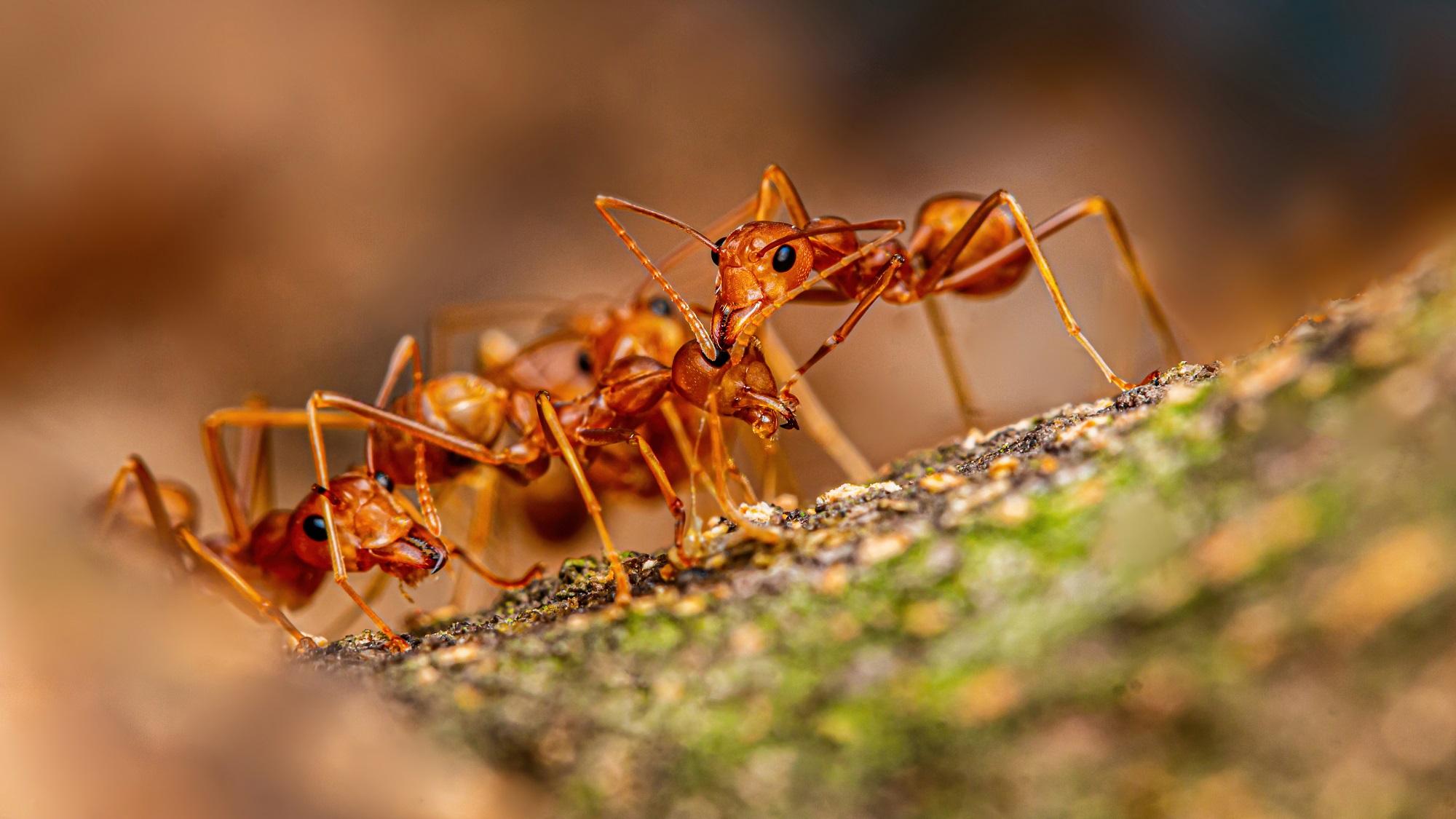
Carpenter ants illustrate why the source of moisture matters. They often nest in wood that has been softened or damaged by moisture, including areas around leaking windows, roof edges, decks, and plumbing. They do not consume wood as termites do, but their galleries can weaken already-compromised timber. Treating the ants without correcting the water intrusion leaves the damaged environment available for future activity.
Damp conditions can also complicate other pest concerns. Bed bugs are not attracted to moisture in the same way as pests that depend on damp habitats, so a plumbing leak should not be treated as the explanation for a bed bug infestation. However, clutter, inaccessible storage areas, and structural gaps can make inspections and treatment more difficult. Understanding the difference between pest-specific needs prevents property owners from relying on a single explanation for every infestation.
Integrated Pest Management Addresses More Than the Pests
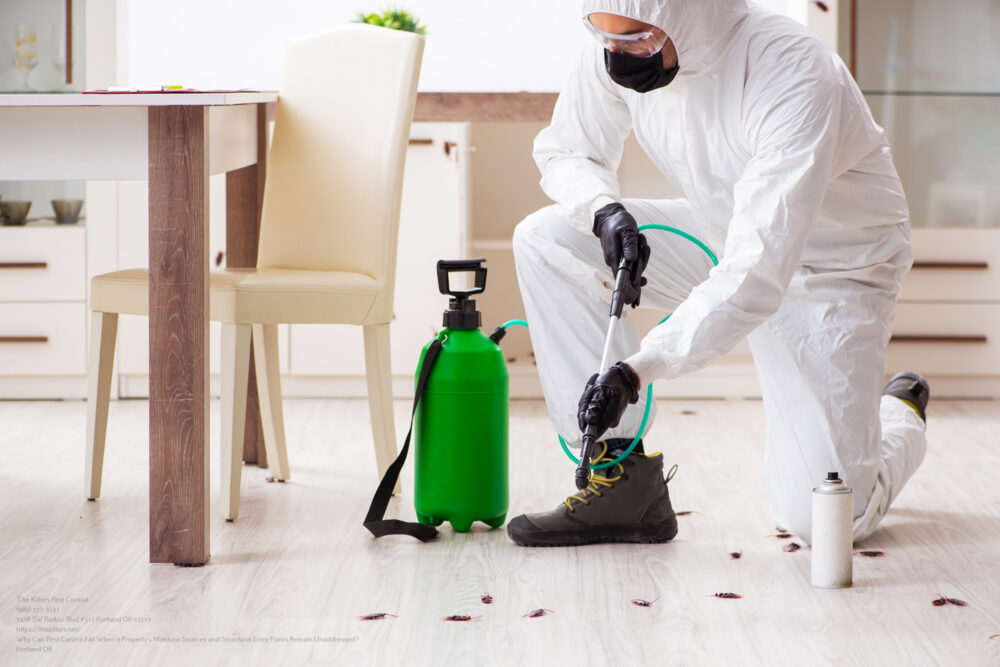
Integrated Pest Management (IPM) combines inspection, pest identification, monitoring, prevention, and the appropriate selection of control methods. Its purpose is to address the conditions that contribute to pest activity rather than rely exclusively on repeated pesticide applications. The U.S. Environmental Protection Agency explains that IPM uses information about pest life cycles and their interaction with the environment to guide control decisions. Its overview of Integrated Pest Management provides further information about this approach.
In practice, the appropriate response depends on the pest. A rodent infestation may require removal, monitoring, and exclusion, while carpenter ants may require attention to the colony and to the moisture-damaged wood associated with their activity. Termite control involves different considerations because termites can damage structural wood and may require specialized inspection and treatment. A wood-destroying organism should not be identified solely from damaged timber, since several causes can produce similar signs.
The same principle applies to outdoor pest activity. Boxelder bugs may gather around exterior surfaces seasonally, while a yellow jacket nest requires a response suited to the species and nest location. Granular pest barrier applications, prevention treatments, and targeted interior or structural treatments are not interchangeable solutions. Treatment choices should follow identification and an assessment of the conditions involved.
Do You Want Pest Control With a More Thorough?
Contact The Killers Pest Control today for friendly, reliable help with pest-related concerns.
Why Small Structural Openings Can Undermine Treatment
Pests rarely need a large opening to gain access to a building. Gaps around pipes, cables, vents, doors, rooflines, and foundations can provide routes into wall cavities, crawl spaces, attics, and occupied rooms. Rodents can squeeze through surprisingly small gaps, while insects may enter through narrow cracks or openings around utility penetrations.
Once inside, pests may travel through spaces that are difficult to inspect. Roof rats, for example, can use tree branches, roof edges, and openings around roof features to reach attic spaces. Carpenter ants may move through damaged wood or concealed structural voids. Yellow jackets may establish nests in protected exterior cavities, depending on the species and location. These different behaviors require different responses, which is one reason a general treatment without an understanding of the building can produce incomplete results.
Entry points also affect the outcome of rodent removal. Removing rodents from an attic or wall void does not automatically prevent others from entering through the same opening. Effective exclusion work focuses on identifying access routes and selecting suitable materials to close them. Repairs must account for the opening’s size, location, and function, as well as the possibility that pests may still be inside.
How Unresolved Moisture and Entry Points Work Together
Moisture and structural access often reinforce one another. A damaged roof can allow water into the attic and create gaps in the roof materials. A leaking exterior hose connection may keep soil and nearby materials damp, while an opening around the pipe provides a route for insects or rodents. In either case, the property offers both a reason to remain and a way to enter.
This combination can make pest infestations harder to resolve. A treatment may reduce activity in one room, but pests can continue using wall voids, crawl spaces, or exterior structures that were not addressed. If a damp area remains behind a wall, it may continue attracting moisture-associated pests even after visible activity declines. Similarly, sealing one opening does little if several other access points remain available.
The distinction matters when evaluating pest pressure around a property. A recurring sighting does not always mean an earlier treatment was ineffective. It may mean that new pests are entering, a hidden population remains, or environmental conditions still support activity. A careful assessment helps distinguish between these possibilities before the next pest treatment plan is selected.
What a Property Inspection Should Examine
A useful pest inspection considers the building as a connected environment rather than focusing only on the room where pests were noticed. The inspection should consider visible evidence of pests, moisture conditions, potential nesting or harborage areas, and routes between the exterior and interior. The findings can then guide a pest management plan that reflects the type of pest and the property’s condition.
Depending on the building and reported activity, relevant areas may include:
- Moisture sources: plumbing connections, condensation, roof leaks, downspouts, drainage, and damp crawl spaces.
- Structural openings: gaps around utility lines, foundation cracks, damaged vents, door sweeps, and roofline openings.
- Pest evidence: droppings, gnaw marks, damaged wood, insect activity, nests, and recurring sightings.
- Exterior conditions: vegetation touching the structure, stored materials, deck connections, and areas where water collects.
- Indoor conditions: food storage, waste handling, clutter, and spaces that are difficult to clean or monitor.
A structural vulnerability assessment is a review of building features that facilitate pest access or shelter. Entry point identification & sealing focuses on locating and addressing those openings, while a sanitation & storage risk review considers whether food, waste, or stored materials contribute to the problem. These are useful descriptions of inspection and prevention priorities, not a guarantee that every property requires the same work.
Why Prevention Needs to Continue After Treatment
A property can become vulnerable again if maintenance stops once pest activity declines. A repaired pipe can develop another leak, weather can damage exterior seals, and stored materials can accumulate near foundations or decks. Regular attention to these changes helps property owners notice conditions before they contribute to another infestation.
For some buildings, scheduled visits or a quarterly service arrangement may be appropriate, depending on pest history, property conditions, and the level of ongoing risk. A residential program may differ from commercial pest control because buildings have different occupancy patterns, storage practices, access requirements, and sanitation needs. Residential-only protocols, where applicable, should not be assumed to cover commercial properties or all types of pest concerns.
Monitoring should also focus on the areas where previous activity occurred. High-risk zone monitoring may include checking known entry points, moisture-prone areas, and locations where pest evidence has been found previously. A deck & outdoor structure service or yard & landscape protection may be relevant when exterior structures or landscaping contribute directly to the pest issue. Still, these measures should be selected according to actual site conditions rather than added automatically.
When Recurring Pest Activity Calls for a Closer Look
Repeated sightings warrant attention when they occur in the same area, follow treatment, or coincide with signs of building damage. Rodent droppings, gnawing, scratching sounds, damaged insulation, and unexplained odors can suggest activity in concealed spaces. Persistent dampness, soft or discolored wood, and recurring insect activity near a leak also warrant investigation.
Property owners should avoid disturbing suspected nests or applying pesticides in enclosed spaces without first identifying the pest and understanding the risks involved. Rodent droppings should not be swept or vacuumed while dry, as this can release contaminated particles into the air. Where a suspected infestation involves extensive contamination, concealed nesting, or possible structural damage, an appropriately qualified professional can help determine the next steps.
For residents around the Columbia River and throughout Clark County, changing weather and moisture conditions can make routine property maintenance especially relevant. However, local climate alone does not explain every occurrence of pests. The condition of the building, the species involved, and the availability of food, water, and shelter all influence the situation.
Lasting Results Depend on Correcting the Conditions that Invite Pests
Pest treatment is more likely to provide lasting value when it forms part of a broader response to the property. Moisture repairs reduce conditions that support certain pests, while exclusion work limits access and appropriate sanitation reduces available food and shelter. The right combination depends on the infestation, the building, and the evidence found during inspection.
The Killers Pest Control can be contacted by property owners seeking pest control in Vancouver WA. A conversation about recurring activity, visible damage, and the property’s maintenance history can help establish what concerns need attention. The most useful next step is not simply to repeat a treatment, but to understand why pests were able to establish themselves in the first place.
Do You Want Pest Control With a More Thorough?
Contact The Killers Pest Control today for friendly, reliable help with pest-related concerns.