Why the Hidden Location of an Infestation Changes the Way It Should Be Treated
Pests can remain active for weeks or months without becoming visible, especially when they occupy insulation, attics, crawl spaces, or exterior walls. Effective pest control in Newport OR requires more than treating the first sign of activity. The right response depends on the pest species, its nesting or travel location, the building’s condition, and the route it uses to enter. Through its pest control services, The Killers Pest Control helps property owners address different pest problems with attention to the conditions involved.
Each concealed area creates a different environment. Insulation can provide shelter for rodents; attics offer access to roof openings; crawl spaces may harbor damp conditions; and exterior walls can conceal insect colonies or rodent pathways. These differences influence pest identification, treatment selection, and the repairs that may be needed after an infestation is addressed.
How Infestations Develop Inside Insulation
Insulation can conceal pest activity by creating sheltered spaces that are rarely disturbed. Rodents may tunnel through loose-fill insulation, pull apart fiberglass batts, or use the material to build nests. Property owners might first notice scratching sounds, droppings, unusual odors, or compressed sections of insulation rather than seeing an animal. The visible signs may appear some distance from the actual nesting area.
Carpenter ants may also travel through gaps around insulation, particularly when nearby timber has been affected by moisture. However, their presence does not automatically mean they are nesting in the insulation. Household and pavement ants may enter through small gaps while searching for food, using concealed spaces as travel routes rather than permanent nesting locations.
Treatment needs to account for the difference between a nesting site and a passageway. Spraying an exposed section of insulation may not reach pests hidden deeper inside the material. A suitable treatment plan may involve identifying the species, locating entry points, addressing active pests, and assessing whether damaged or contaminated insulation needs replacement. Property owners should avoid disturbing insulation that contains suspected rodent waste, as droppings and nesting debris may pose exposure risks.
Why Inspections and Pest Identification Guide the Treatment Plan
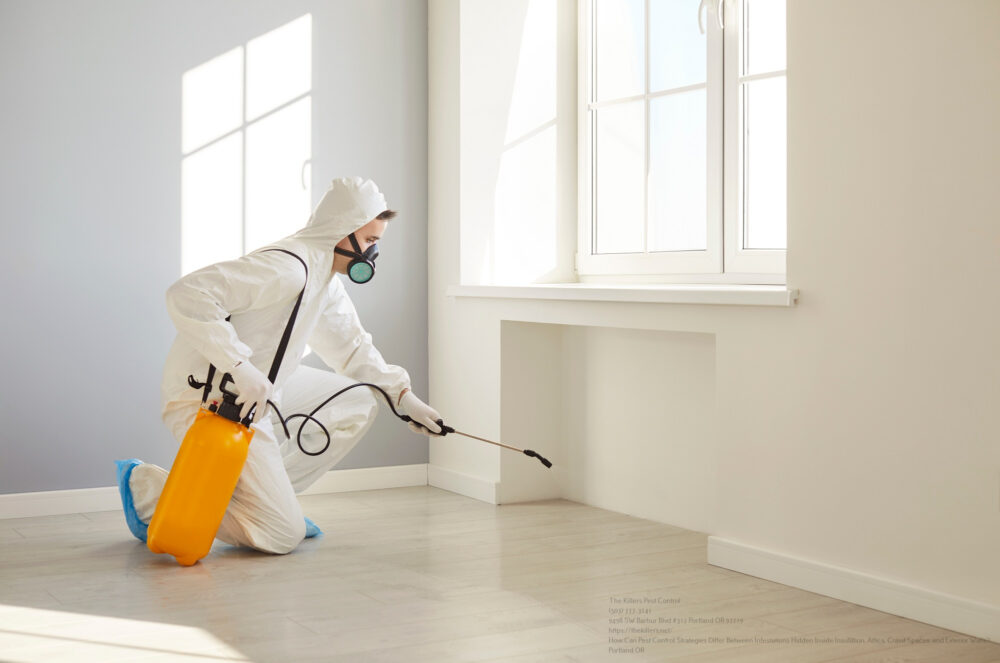
The same visible sign can have different explanations depending on where it appears. Droppings in an attic may suggest rodent activity, while insect debris near an exterior wall could indicate a nest or simply movement from outside. A professional assessment considers the location, condition, and freshness of evidence rather than assuming that every sign indicates an established infestation.
Pest inspections may examine droppings, tracks, gnaw marks, nesting material, shed wings, entry gaps, damaged timber, and moisture conditions. The inspection should also consider how different building areas connect. A rodent may enter through a foundation opening and travel into a wall cavity, while insects may move between exterior nesting sites and indoor food sources.
Integrated Pest Management offers a practical framework for selecting control measures. It combines identification, monitoring, prevention, and targeted treatment rather than relying entirely on routine pesticide application. The U.S. Environmental Protection Agency’s Integrated Pest Management principles explain this approach. Depending on the infestation, pest control professionals may consider targeted products, monitoring, exclusion, or other suitable measures. Bio-rational substances and eco-friendly pest control methods may be considered where appropriate, but their suitability depends on the pest, application site, and product directions.
Do You Want Pest Control With a More Thorough?
Contact The Killers Pest Control today for friendly, reliable help with pest-related concerns.
Why Attic Infestations Often Involve Roofline Access
Attics provide shelter and limited human disturbance, making them suitable hiding places for rodents and certain insects. Roof edges, vents, damaged roofing materials, and gaps around utility penetrations can provide access. Once inside, rodents may move along framing, damage stored belongings, and create nests in insulation.
Evidence of attic activity can include droppings, gnaw marks, nesting materials, damaged insulation, and repeated scratching sounds. These signs need to be interpreted carefully because old evidence may remain after pests have left. Fresh damage or repeated activity near a roof opening can provide more useful information about whether an infestation is ongoing.
Rodent control in an attic may involve targeted measures to address active animals and suitable exclusion repairs to close confirmed entry points. Sealing openings before establishing whether animals remain inside can trap them in inaccessible areas. Flies and mosquitoes may also enter through openings or gather around suitable breeding conditions outside the building, but their presence requires a different response from a rodent infestation. Attic treatment should therefore match the identified pest rather than rely on a general extermination approach.
What Makes Crawl Space Infestations Different?
Crawl spaces are close to the ground and may experience damp soil, condensation, plumbing leaks, standing water, or poor drainage. These conditions can support certain pest problems while contributing to wood deterioration. In properties along the Oregon Coast, moisture management deserves attention because local weather and individual building conditions can affect how dampness develops beneath floors.
Rodents may enter through foundation gaps, damaged vents, or openings around pipes. Insects may gather where damp timber, decaying organic material, or suitable nesting conditions are present. Carpenter ants are associated with moisture-damaged wood, while termites can create separate concerns involving structural timber. Signs such as damaged wood, shed wings, and mud tubes should be assessed carefully because pest identification determines whether termite control or another treatment is appropriate.
A crawl space may require more than pest elimination. A customized pest or Rodent control plan could involve addressing active pests while property owners arrange repairs for leaks, drainage issues, or damaged materials.
How Exterior Wall Infestations Can Remain Hidden
Exterior walls contain cavities and construction gaps that allow pests to move without appearing inside living spaces. Rodents may enter around utility lines, damaged siding, roof connections, or foundation transitions before traveling through wall voids. Scratching sounds, droppings near openings, and gnaw marks can suggest activity, although sounds alone cannot confirm the species or exact location.
Insects may use wall cavities for nesting or movement. Ants can travel through framing gaps, while bees, wasps, and yellow jackets may establish nests in suitable openings. Termites present a different concern because they can damage structural wood while remaining concealed behind finished surfaces. Finding discarded wings or damaged timber warrants further attention, but these signs should not be treated as conclusive proof without proper pest identification.
Exterior wall treatment depends on the pest, the construction, and the location of the activity. A surface application may not reach a colony or nest inside a wall cavity. Targeted pest elimination services, appropriate exclusion repairs, or further building assessment may be necessary. Emergency treatments may be appropriate when an immediate hazard is identified, such as an aggressive stinging-insect nest near a frequently used entrance, but urgency depends on the circumstances.
Why Removing Pests is Only Part of Long-Term Prevention
Treating active pests does not automatically correct the conditions that allowed them to enter. Removing rodents from insulation will not close a roof opening, and treating insects in a crawl space will not repair a leaking pipe. Structural maintenance, moisture management, and exclusion repairs can therefore play an important role in reducing recurring activity.
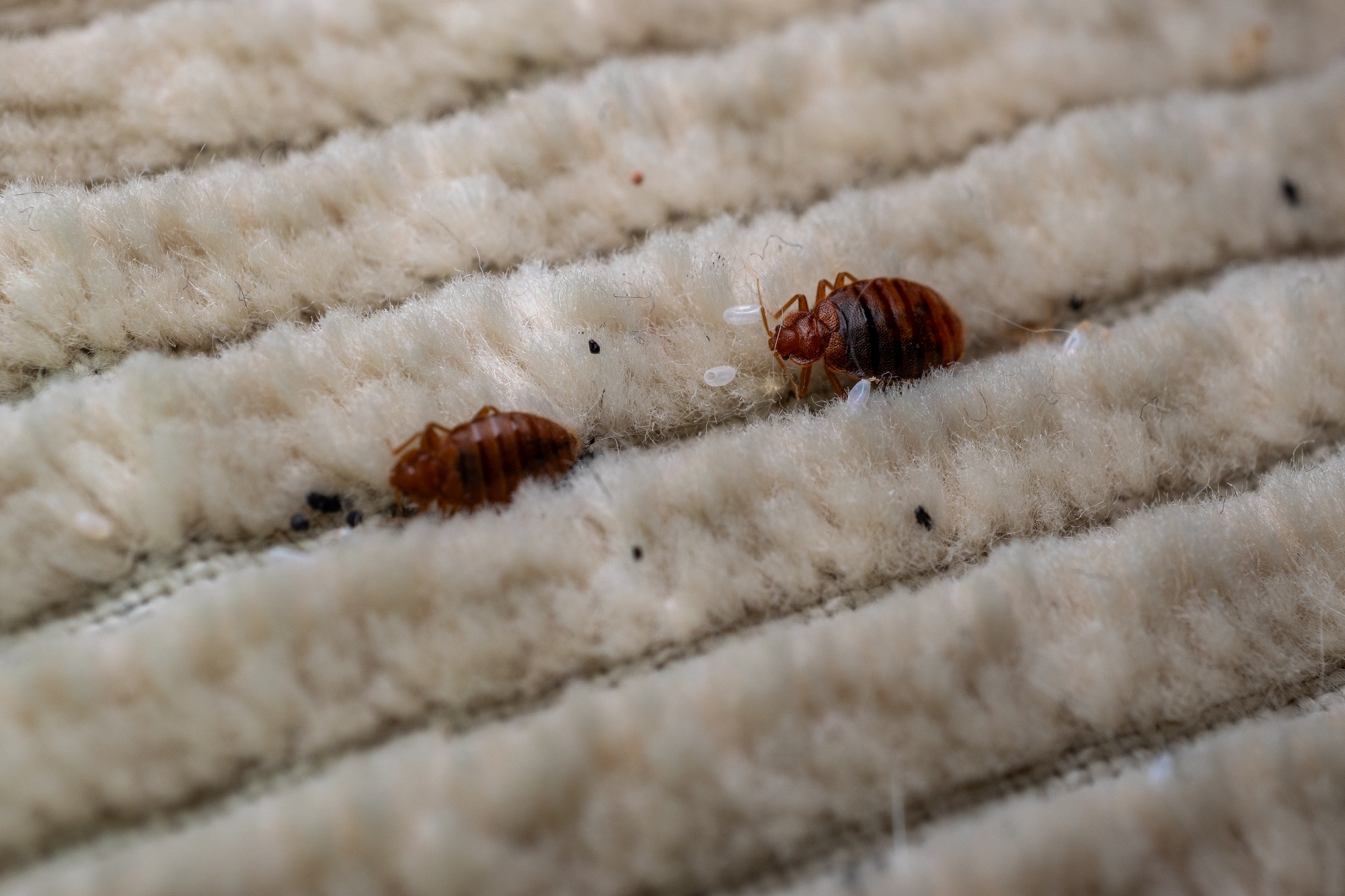
Property owners can support prevention by maintaining drainage, repairing damaged exterior materials, limiting accessible food sources, and keeping storage areas orderly. Contaminated insulation or damaged timber may require separate attention from qualified building or remediation professionals. Bed bugs are another example of why treatment must match the pest: bed bug treatment and commercial bed bug control require methods designed for bed bug activity, not the same approach used for rodents in attics or termites in structural wood.
The most suitable residential pest control or commercial pest control response depends on the building and the infestation. Service packages, maintenance plans, and service agreements should be evaluated based on the actual work included, rather than assumed to be interchangeable. A free inspection, free home inspection, or free estimates should only be expected when confirmed as an available business offer. The same applies to a money-back guarantee, Diamond general service, and platinum service, which should not be assumed without verified service information.
Selecting a Response that Fits the Property
A useful treatment plan considers the pest species, extent of activity, access limitations, and building conditions. The approach for rodents in attic insulation will differ from the response to carpenter ants in damp wood or a wasp nest inside an exterior wall. Property owners should avoid applying pesticides into concealed areas without confirming that the product is suitable for the location and following its label directions.
The Killers Pest Control can be contacted about relevant pest control concerns in Newport and surrounding Oregon Coast communities. When evaluating pest control services, property owners may wish to ask about the inspection process, proposed treatment, safety protocols, expected response times, and any follow-up recommendations. Questions about customer service, service technicians, expert technicians, local experts, or local exterminators should be answered using current business information.
A Targeted Strategy Starts With the Location of the Pest Activity
Insulation, attics, crawl spaces, and exterior walls create different challenges for pest management. Their access points, moisture conditions, construction features, and signs of activity all influence the appropriate response. Correct identification and a location-specific treatment plan help distinguish between active nesting, temporary movement, and conditions that require separate building repairs.
The Killers Pest Control can help property owners discuss pest control in Newport OR concerns and relevant treatment options. A clear account of where activity has been noticed, what signs are present, and when they first appeared can provide a useful starting point for determining the next steps.
Do You Want Pest Control With a More Thorough?
Contact The Killers Pest Control today for friendly, reliable help with pest-related concerns.