
Why Apartments, Hotels and Shared Buildings Need a Smarter Approach
A single bed bug infestation rarely stays contained in multi-unit housing. Shared walls, plumbing chases, crawl space voids, and constant resident turnover create ideal conditions for bed bugs to spread quietly from unit to unit. That’s why bed bug treatment in Newport OR requires a very different strategy in apartments, hotels, and mixed-use buildings than it does in single-family homes.
Professional bed bug treatment protocols are designed to adapt to shared infrastructure by coordinating inspections, synchronizing treatments, and verifying results across connected spaces. Instead of reacting to isolated complaints, professionals treat the building as one living system—because that’s exactly how bed bugs see it.
Professional bed bug treatment in multi-unit housing adapts by coordinating inspections, treating connected units, addressing shared infrastructure, and verifying results building-wide. This approach prevents reinfestation through walls, plumbing, and crawl spaces that visual inspections or single-unit treatments often miss.
Why Multi-Unit Buildings Change Everything about Bed Bug Control
People also ask: Why do bed bugs spread so fast in apartments?
Bed bugs don’t recognize unit numbers. They travel through wall voids, electrical outlets, baseboards, wooden structures, and even laundry pathways. In high-turnover environments—like apartment building treatments or hotel bed bug services—new occupants unknowingly introduce bed bugs by hitching a ride on luggage, clothing, or furniture.
In Newport, where residential rentals and hospitality properties are common, these shared pathways make isolated bed bug control ineffective. Professional pest control protocols must account for how infrastructure connects every space.
Common Mistakes That Cause Bed Bugs to Return in Shared Housing
Recurring infestations often trace back to the same avoidable errors:
- Treating only the affected unit
- Relying on surface-level treatment or visual inspection alone
- Failing to inspect adjacent units above, below, and beside the source
- Poor communication between residents and property management
- Inconsistent mattress encasement or preparation
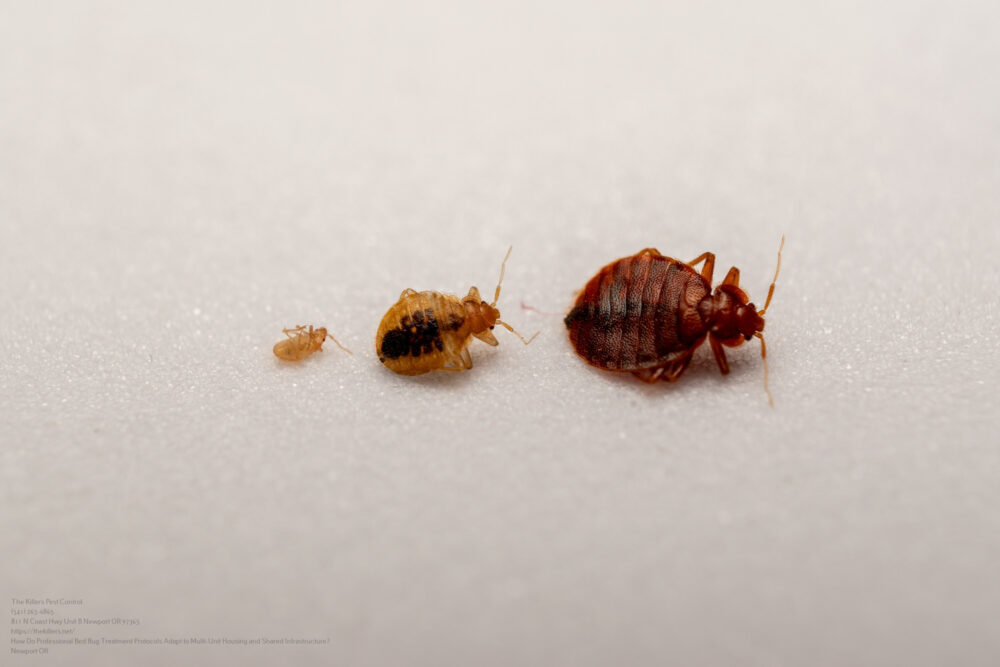
These gaps allow Cimex lectularius to survive unnoticed and re-emerge weeks later. The Killers Pest Control designs treatment plans that eliminate these blind spots from the start.
Do You Need Professional Bed Bug Treatment That Works?
Contact The Killers Pest Control today to schedule your inspection or service.
Why Coordinated Treatment Protects Residents and Property Owners
Effective bed bug treatment in multi-unit housing isn’t just about killing bed bugs—it’s about reducing long-term risk. Coordinated protocols deliver benefits that single-unit treatments can’t:
- Fewer repeat treatments and lower long-term costs
- Reduced tenant complaints and vacancy issues
- Protection of shared infrastructure and wooden structures
- Documented pest inspections for compliance and accountability
For property owners, this means fewer emergencies. For residents, it means a faster return to a home bed bug-free environment.
Bed Bug Treatment Requires Building-Wide Assessment
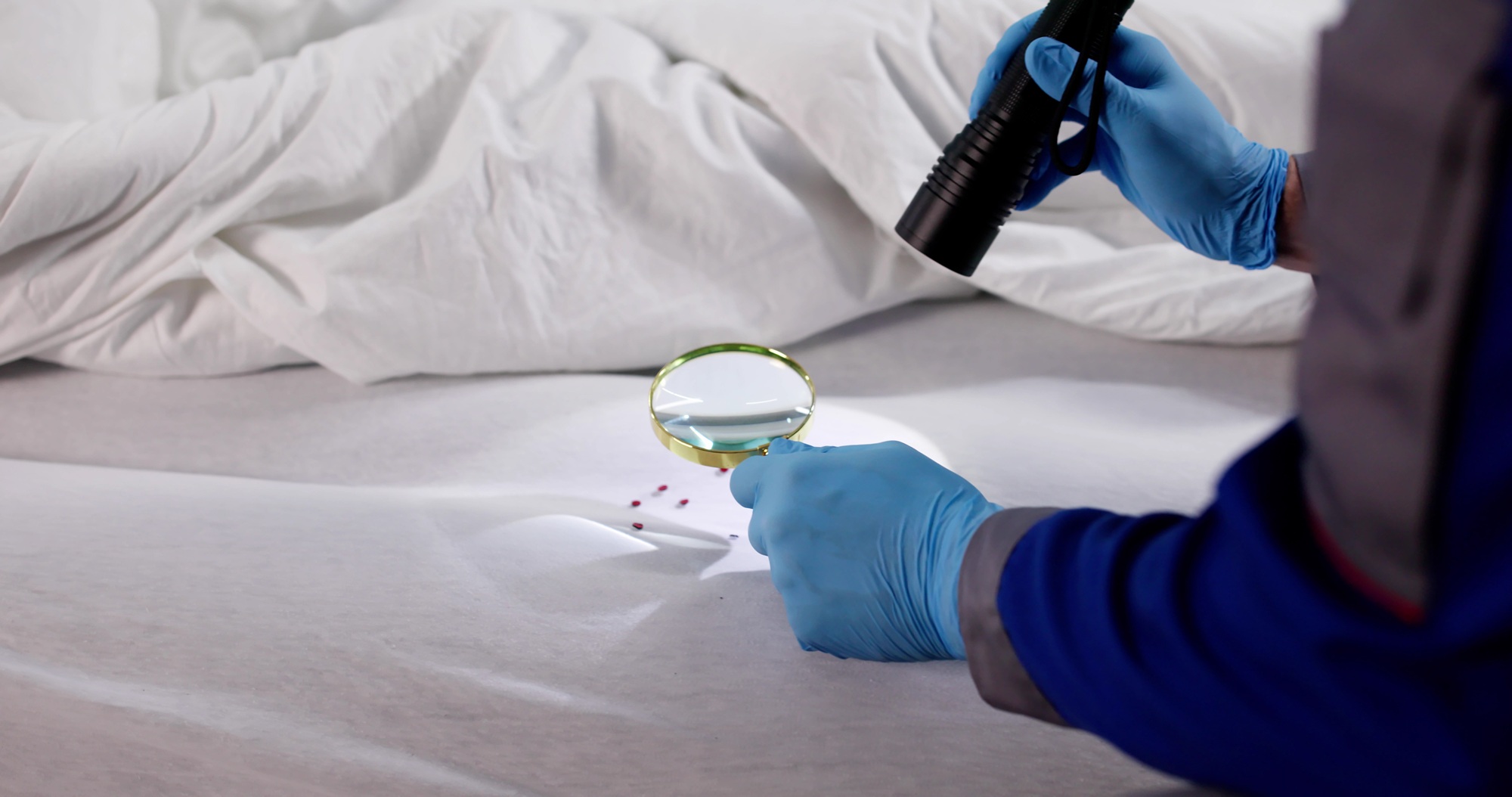
Bed bug treatment protocols begin with inspections that extend beyond the reported unit. Certified technicians evaluate surrounding apartments, shared hallways, crawl space areas, and utility access points to map pest travel routes.
This process often includes canine bed bug detection using certified K-9 bed bug detection teams. Sniffing dogs identify live bed bugs and viable eggs even when visual inspection shows nothing, making them especially valuable in large buildings.
How Professionals Adapt Treatment Methods for Shared Infrastructure
In multi-unit housing, treatment methods must be precise, coordinated, and repeatable. Professionals typically combine multiple approaches:
- Heat treatment and thermal remediation to eliminate bed bugs across entire units
- Heat chamber treatment for furniture and personal items
- Targeted chemical methods applied as residual protection in shared walls and voids
- Mattress encasement programs requiring residents to encase all mattresses
This layered strategy ensures bed bugs can’t escape into untreated areas during treatment.
Why Timing Matters More Than Ever in Apartments and Hotels
Treating one unit today and another weeks later often guarantees failure. Bed bugs simply migrate and wait. That’s why professional bed bug exterminator protocols schedule treatments in coordinated phases.
Simultaneous treatment reduces the chance of bed bugs surviving long enough to adapt or spread. This approach is especially important in hotel bed bug services, where guest turnover accelerates reinfestation risks.
Expert Insight: Shared Walls Create Shared Responsibility
One overlooked factor in multi-unit bed bug control is accountability. When residents don’t understand preparation requirements or property managers delay approval, even the best treatment plan can falter.
Professional pest control companies address this by providing clear instructions, documentation, and customer service support. When everyone understands their role, treatment success rates increase dramatically.
Real-World Example: Apartment Building Treatment Success
A Newport apartment complex reported recurring bed bug issues despite repeated treatments. Visual inspections showed no activity, yet residents continued reporting bed bug bites.
The Killers Pest Control conducted building-wide pest inspections, canine bed bug detection, and crawl space evaluations. Bed bugs were discovered in adjacent units and shared wall voids. Coordinated heat treatment and residual pesticide barrier applications eliminated the infestation and restored the property to a pest-free state.
Best Practices Residents Should Follow During Multi-Unit Treatment
While professionals handle treatment methods, residents play a key role. Successful outcomes depend on:
- Completing preparation instructions exactly as provided
- Maintaining mattress encasement throughout treatment
- Avoiding movement of furniture between units
- Reporting signs of infestation early
These steps support professional pest treatments and prevent reinfestation.
Why Verification is Critical in Shared Housing
Post-treatment verification is non-negotiable in multi-unit environments. Monitoring devices, follow-up inspections, and canine detection confirm that bed bugs haven’t survived in hidden areas.
Without verification, infestations can quietly return. With it, property managers gain confidence and documentation that treatment was successful.
Key Takeaways for Multi-Unit Bed Bug Control
Bed bug infestations thrive in shared infrastructure when treatments focus on symptoms instead of systems. Professional protocols adapt by treating buildings as interconnected environments rather than isolated units.
The most successful bed bug treatment programs combine inspection, coordination, layered treatment methods, and verification. That’s how long-term control is achieved.
The Killers Pest Control Delivers Coordinated Results that Last
We at The Killers Pest Control provide the best solutions to our customers by adapting every bed bug treatment protocol to the realities of multi-unit housing and shared infrastructure. Our certified technicians design treatment plans that protect residents, property managers, and buildings as a whole.
We proudly showcase our expertise in bed bug removal, heat treatment, apartment building treatments, and post-treatment verification. Our customer service team supports clear communication and reliable outcomes from start to finish.
Contact The Killers Pest Control for expert solutions today. Lasting protection begins with professional bed bug treatment in Newport OR.
Do You Need Professional Bed Bug Treatment That Works?
Contact The Killers Pest Control today to schedule your inspection or service.