Why Following the Ant Trail Can Reveal What Spraying Alone Misses
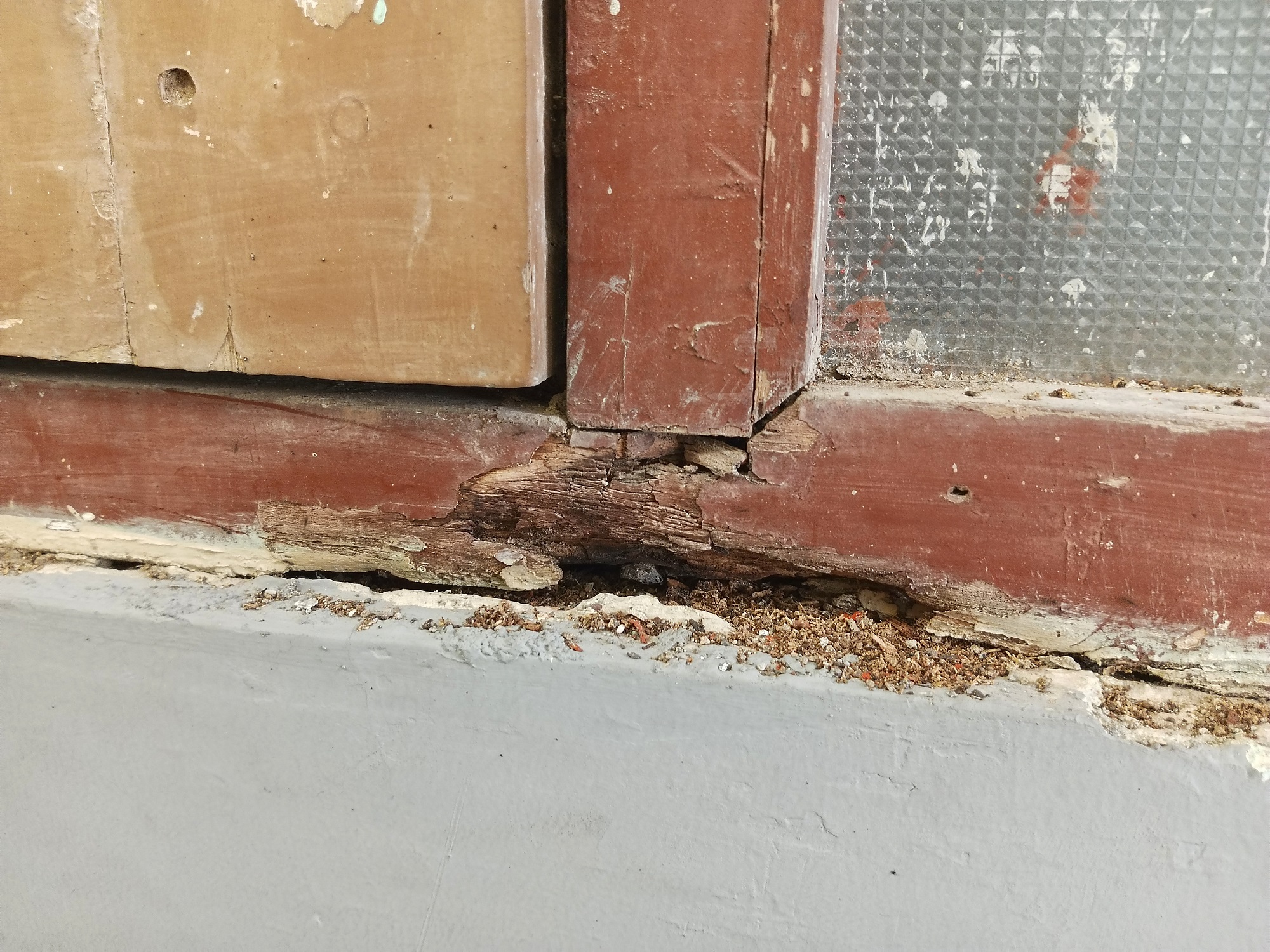
An ant problem rarely begins where homeowners first notice ants. Workers may enter through tiny foundation cracks, follow plumbing lines, travel beneath flooring, or move through wall voids before appearing around a sink or pantry.
Effective ant removal in Vancouver, WA, therefore requires more than treating visible insects. It involves understanding how ants communicate, where trails lead, and what conditions allow a colony to return.
Ant removal can trace pheromone trail networks by observing repeated worker movement, identifying entry points, following activity toward food or moisture sources, and determining where trails disappear into structural gaps or exterior nesting areas. This information helps a pest control professional target hidden colonies and combine treatment with exclusion and prevention to reduce recolonization.
How Do Ant Pheromone Trails Expose Hidden Nesting Areas?
Ants don’t simply wander randomly around a property. When workers locate food, water, or suitable shelter, they can reinforce routes with chemical signals called pheromones. Other workers detect these signals and follow established pathways, creating increasingly obvious trails between the colony and a resource.
For an ant exterminator, this behavior provides useful clues. A trail along a kitchen counter may lead beneath a cabinet, while activity near a bathroom could indicate a moisture source, a wall cavity, or a plumbing penetration. In the Pacific Northwest, where damp conditions can influence pest activity, identifying the environmental reason behind an invasion can be just as important as treating the insects themselves.
Could a trail disappear behind trim and still lead to a much larger colony? Absolutely. Carpenter ants, moisture ants, pavement ants, sugar ants, and odorous house ants can use very different nesting locations, so accurate pest identification matters before deciding how an ant problem should be handled.
6 Mistakes that Can Send Ant Colonies Somewhere Else
- One common mistake is treating only the visible ants.
- Killing workers along a countertop may temporarily reduce activity without addressing the nest, food source, moisture condition, or structural opening that brought them inside.
- Another mistake is disturbing an active trail before its direction and entry point have been assessed.
- Homeowners may also assume every small ant requires the same treatment. That’s risky because species differ in nesting habits, food preferences, and colony behavior. Carpenter ants may be associated with damp or damaged wood, while pavement ants can nest beneath slabs and other hard surfaces. Sugar ants may follow food residues, whereas moisture ants can indicate persistently damp conditions.
- Another frequent problem is sealing an opening without understanding the colony’s location. If workers lose one pathway but still have access through another gap, they may establish a new route.
- Overuse of indiscriminate sprays can create a similar complication by killing exposed workers without addressing the broader infestation.
The Killers Pest Control approaches ant control by considering activity patterns rather than treating every sighting as an isolated event. Its pest control services can include inspections, targeted treatments, exclusion measures, and prevention strategies tailored to the conditions found at the property. This approach also reflects the principles of Integrated Pest Management, which emphasize monitoring, correct identification, prevention, and appropriate control methods.
Need Ant Removal Without The Recurring Ant Problem?
Contact The Killers Pest Control today for dependable pest control solutions.
Why Does Trail Mapping Make Ant Control More Precise?
Trail mapping gives a pest control professional a working picture of how an infestation behaves. Instead of asking only, “Where are the ants?”, the inspection can ask, “Where are they coming from, what are they seeking, and what route keeps bringing them back?” Those questions can reveal whether the issue is primarily related to food, moisture, shelter, landscaping, or structural access.
This distinction matters because successful ant control isn’t necessarily about eliminating every visible worker immediately. If a colony remains protected inside a wall void, beneath a slab, or outside near the foundation, new workers can eventually appear.
This is where ant removal in Vancouver WA becomes more than a simple surface treatment. Careful trail interpretation can help direct attention to the conditions that enable repeated activity.
Can Interrupting One Trail Stop Recolonization?
Sometimes, but trail disruption alone shouldn’t be confused with colony control. Ants are adaptable foragers. If an established route disappears because a crack is sealed or a surface is cleaned, workers may search for another route toward the same resource. This is why lasting ant prevention often combines treatment with exclusion and environmental changes.
EPA materials note that cleaning can remove scent trails, but cleaning trails alone may not solve the underlying pest problem. The practical lesson is simple: the visible pathway is evidence, not necessarily the entire infestation.
For homes and businesses around Vancouver, the local environment can make prevention especially important. Conditions influenced by the Pacific Northwest climate, properties near the Columbia River, and landscaping around locations such as the Vancouver Land Bridge can create different combinations of moisture, vegetation, and shelter.
What Does a Strong Ant Prevention Plan Look Like?
The strongest prevention strategy treats the property as part of the pest problem rather than viewing the ant colony in isolation. Food residues should be controlled, moisture problems corrected, cracks and gaps addressed, and outdoor conditions monitored.
That approach is consistent with the EPA’s guide to Integrated Pest Management, which recommends accurately identifying pests, monitoring their activity, preventing conditions that support them, and selecting appropriate control measures based on the situation. Homeowners can also benefit from avoiding unnecessary pesticide applications and relying on a qualified pest control professional when the colony’s location isn’t obvious.
The Killers Pest Control can help connect these pieces through inspection, ant control, extermination services, and practical prevention recommendations. The objective is not simply to make a trail disappear for a day.
What Should Vancouver WA Homeowners Remember about Ant Trails?
Pheromone trails are essentially an ant colony’s communication network. They can reveal repeated routes between food, water, shelter, and hidden nesting sites, providing professionals with valuable information during an inspection. When those clues are combined with species identification, targeted treatment, exclusion work, and environmental correction, ant management becomes more deliberate and less dependent on treating whatever happens to be visible.
Homeowners should also remember that different ant species may require different strategies. Carpenter ants, sugar ants, pavement ants, moisture ants, and other species may use different nesting sites and resources, which is why guessing at the species can lead to ineffective treatment. A recurring infestation deserves investigation rather than repeated surface applications.
For properties dealing with persistent ant removal in Vancouver WA, understanding the trail is often the first step toward understanding the colony behind it.
Why The Killers Pest Control is a Smart Choice for Ant Management
We at The Killers Pest Control provide the best solutions to our customers by focusing on the source of pest activity rather than simply treating what is easiest to see. Our approach to ant control considers trail behavior, pest identification, entry points, moisture, nesting conditions, and practical prevention so customers can make informed decisions about their properties.
We showcase excellent pest control services tailored to the specific conditions identified during an inspection. From ant exterminator solutions and ant prevention to other appropriate exterminator services, our goal is to provide attentive service and practical recommendations.
If you’re dealing with recurring trails, hidden nesting activity, or a persistent infestation, contact The Killers Pest Control for professional help. For dependable ant removal in Vancouver WA, The Killers Pest Control can help trace the problem, interrupt its pathways, and build a more effective plan for long-term ant prevention.
Need Ant Removal Without The Recurring Ant Problem?
Contact The Killers Pest Control today for dependable pest control solutions.