The Hidden Science Behind How Professionals Tell One Ant Colony from Another
Ants look identical to the untrained eye. They march in lines, invade kitchens, and disappear just as quickly. But underneath that simplicity lies a complex system of colony communication. In advanced ant removal in Portland strategies, professionals use subtle chemical markers—cuticular hydrocarbons—to tell colonies apart and stop infestations at the source.
Ants don’t just invade randomly—they organize, adapt, and expand with purpose. In dense urban environments like the Portland metro region, where homes vary in age, structure, and moisture exposure, these colony networks become even more complex. What looks like a minor nuisance can quickly evolve into a layered infestation hidden behind walls, under flooring, or deep within a crawl space.
Cuticular hydrocarbon profiling allows pest control professionals to analyze chemical signatures on ants’ bodies, helping differentiate separate colonies within a structure. This ensures targeted treatments focus on the correct nest locations, preventing reinfestation and improving long-term pest control effectiveness.
Why One Trail Doesn’t Mean One Colony—and What Portland Homeowners Often Miss
In the Pacific Northwest, especially across Portland neighborhoods and Multnomah County, ants thrive due to moisture, mild temperatures, and abundant food sources. You might see a single line of sugar ants near your sink and assume it’s one colony. But is it really?
A common “People Also Ask” question is: Can multiple ant colonies exist in one house? The answer is yes—and it’s more common than most homeowners realize.
Different species, such as odorous house ants, pavement ants, and carpenter ants, can overlap in the same structure. Even within one species, there can be multiple satellite colonies. These colonies communicate using scent trails and chemical signals, which is where cuticular hydrocarbons come into play.
The Killers Pest Control often sees homes near areas like Washington Park or the Portland Japanese Garden dealing with layered infestations. Moisture ants in crawl space areas, worker ants in wall voids, and separate nests near support beams—each requires a different approach.
Without identifying these colony networks, treatments can miss the mark entirely.
5 Mistakes that Turn a Small Ant Problem into a Recurring Infestation
Many homeowners unknowingly make decisions that allow ant populations to expand. Why does a small pest problem suddenly feel impossible to control?
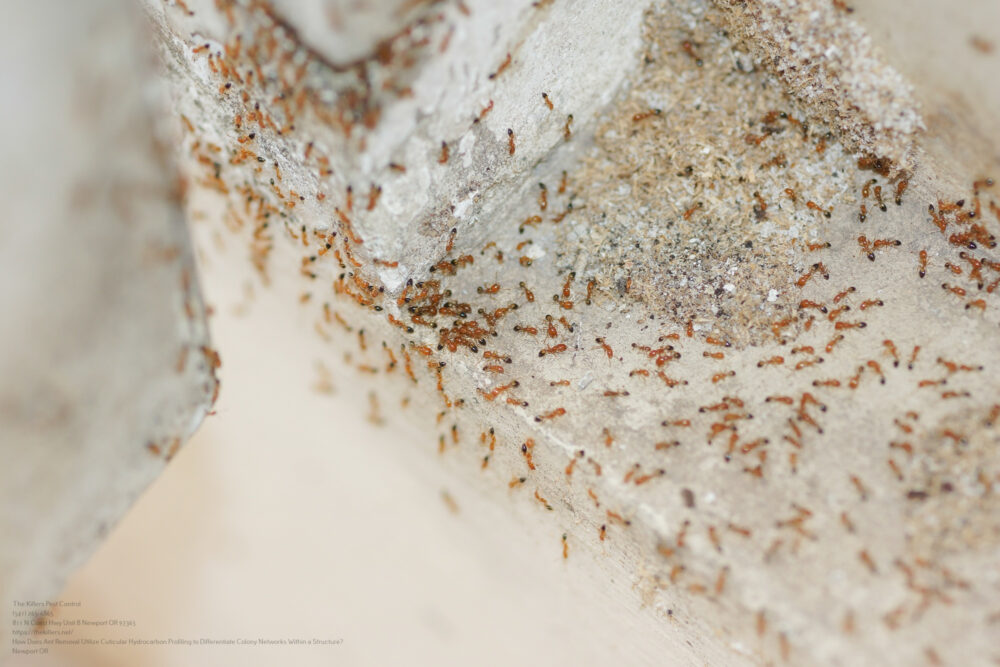
Here’s what often goes wrong:
- Treating only visible ants instead of locating nest locations
- Using over-the-counter sprays that disrupt scent trails but don’t eliminate colonies
- Misidentifying the ant species leads to ineffective ant control treatment
- Ignoring entry points like cracks, crawl space gaps, and foundation edges
- Overlooking moisture sources that attract moisture ants and other pests
These mistakes don’t just waste time—they can actually split colonies into multiple groups, worsening infestations. According to research from the United States Environmental Protection Agency, improper pesticide use can disperse pests rather than eliminate them, especially in social insects like ants.
That’s where a professional service makes a difference. The Killers Pest Control uses structured pest management plans that identify colony behavior before applying targeted treatments. It’s not guesswork—it’s strategy.
Do You Want Ant Removal for Your Home Today?
Contact The Killers Pest Control now for fast, friendly, and reliable pest control solutions!
Why Accurate Colony Identification Saves Time, Money, and Frustration
Think of an ant infestation like a network of hidden tunnels. If you block one exit, they reroute. That’s why identifying colony networks is critical.
When The Killers Pest Control performs ant control Portland services, they don’t just treat surfaces. They study behavior—how worker ants move, where scent trails lead, and how colonies interact.
Why does this matter?
Because treating the wrong colony wastes resources. A homeowner might spend weeks addressing one visible colony while another colony continues to expand behind walls or under flooring. That leads to repeated service calls, increased costs, and ongoing frustration.
There’s also a health component. Ants can contaminate food supplies and spread bacteria, posing a health risk. In some cases, they coexist with other pests, such as German cockroaches or even attract larger pest problems, such as rodents.
A precise approach reduces treatment time, improves outcomes, and protects your home from long-term damage.
How Ant Removal in Portland Strategies Use Chemical Profiling in Real Homes
Cuticular hydrocarbons act like fingerprints for ants. Each colony has a unique chemical profile on its exoskeleton, allowing professionals to distinguish one group from another.
So, how is this used in real-world pest control?
A pest control professional observes behavior patterns, collects samples, and evaluates how ants interact with one another. Ants from the same colony recognize each other through these chemical signals. If ants from different areas don’t interact or show aggression, it often indicates multiple colonies.
Here’s how this translates into action:
- Identify active trails and collect worker ants from different locations
- Compare behavioral responses to determine colony relationships
- Map nesting zones within wall voids, crawl space areas, and soil
- Apply targeted treatments to eliminate entire colony networks
This process ensures that ant exterminators aren’t just reacting—they’re solving the root problem.
In the Portland metro region, homes, especially those with older construction or wood framing, can harbor multiple carpenter ant nests. Without this level of precision, treatments might only address surface activity while deeper infestations continue.
What Professionals Know about Ant Behavior that Most Homeowners Don’t
Ants don’t randomly wander into homes. They follow patterns tied to survival—food, moisture, and shelter.
The Killers Pest Control has seen this firsthand across Portland OR. For example, homes near walking trails or wooded areas often experience seasonal ant invasions. Why? Because outdoor conditions push colonies indoors.
A key insight from professionals: ants don’t just look for food—they build systems. Worker ants establish scent trails that guide others. These trails are reinforced over time, creating highways inside your home.
And here’s where it gets interesting. When those trails are disrupted incorrectly—say, with aerosol cans or surface sprays—ants don’t disappear. They adapt. They form new routes, sometimes splitting into multiple colonies.
That’s why advanced pest control methods focus on integrated pest management. It’s not about quick fixes. It’s about understanding behavior and using eco-friendly products and targeted solutions that eliminate colonies without unnecessary environmental impact.
Case Insight: How One Portland Home Revealed Three Hidden Colonies
A homeowner in Multnomah County contacted The Killers Pest Control after noticing recurring ant activity in the kitchen. They had already tried DIY ant-control methods, but the problem kept recurring.
During inspection, technicians discovered something unexpected—three separate colonies.
One colony was located in a crawl space near moisture buildup. Another was nesting in wall voids near the kitchen. A third was outside, near soil ants along the foundation.
Because each colony had distinct behavior patterns and chemical profiles, a single treatment wouldn’t have worked.
Instead, a layered treatment plan was applied:
- Targeted baiting for indoor colonies
- Perimeter treatments to block entry points
- Moisture control recommendations to prevent reinfestation
Within a short period of time, the infestation was eliminated. More importantly, it stayed gone.
The takeaway? If ants keep coming back, it’s rarely one colony causing the problem.
Key Takeaways Every Homeowner Should Remember about Ant Infestations
Ant infestations aren’t just surface-level issues. They’re complex systems shaped by behavior, environment, and structure.
Here’s what matters most:
Understanding colony networks is essential for effective pest control. Misidentifying species or ignoring multiple colonies leads to repeated infestations. Professional pest management uses behavioral analysis and chemical profiling to deliver targeted treatments that actually work.
For Portland homeowners, factors like moisture, crawl space conditions, and nearby natural areas increase the likelihood of multi-colony infestations. That’s why tailored treatment plans—not generic solutions—make the difference.
If you want lasting results, the focus should always be on eliminating the source, not just the symptoms.
Why The Killers Pest Control is the Smart Choice for Lasting Pest Solutions
We at The Killers Pest Control provide the best solutions to our customers by combining advanced pest control methods with real-world experience. We don’t just treat what you see—we uncover what’s hidden and build a plan that actually works.
We take pride in delivering reliable customer service and customized pest control services tailored to your home’s unique structure and pest control needs. Our team uses proven strategies, eco-friendly products, and industry-leading tools to ensure effective results.
If you’re dealing with persistent ant issues, don’t wait for them to spread. Contact The Killers Pest Control for expert ant control service in your area and let us restore comfort to your home. Get started today with trusted ant removal in Portland solutions.
Do You Want Ant Removal for Your Home Today?
Contact The Killers Pest Control now for fast, friendly, and reliable pest control solutions!