
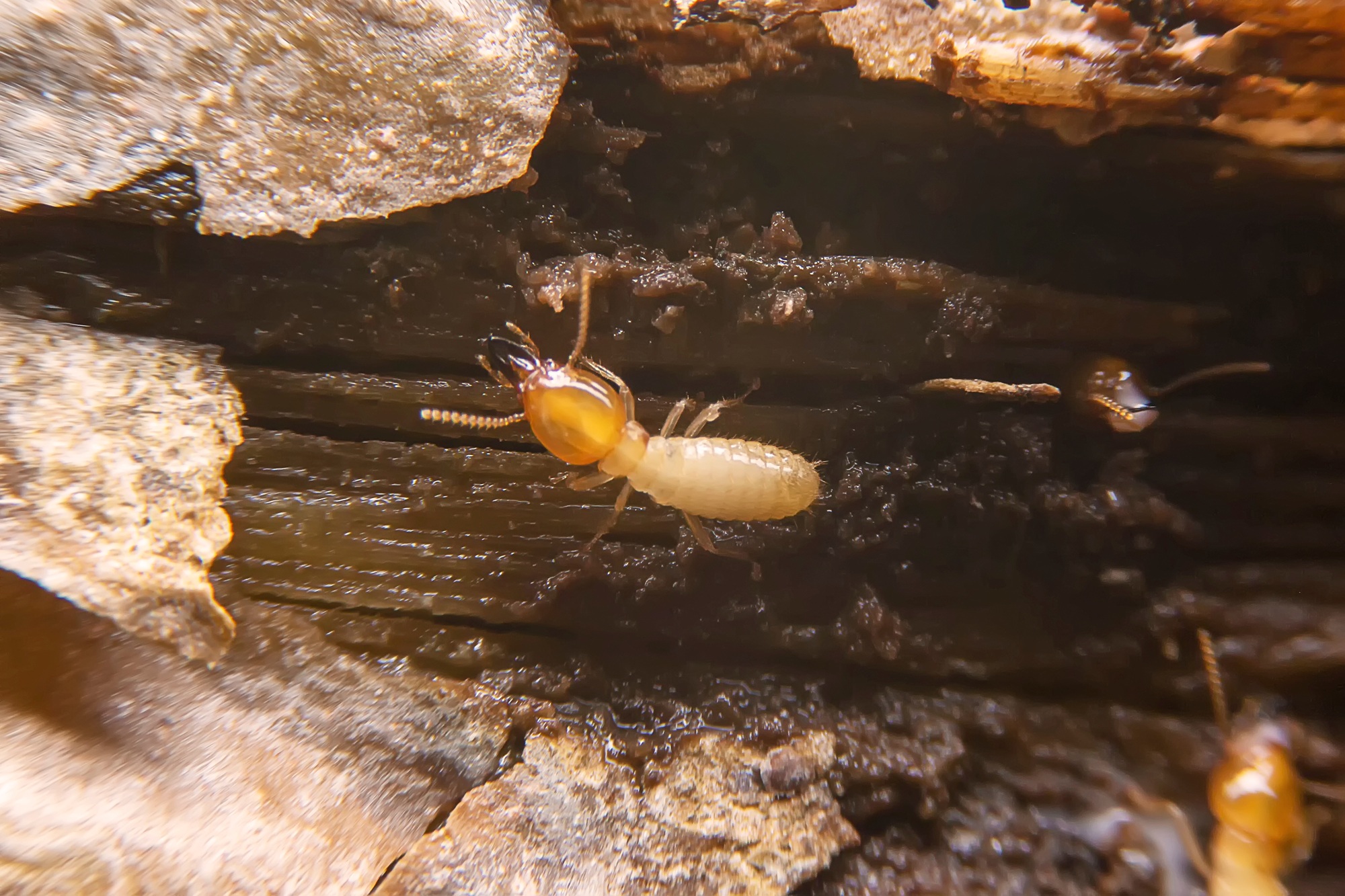
Why Timing Matters More Than Most Property Owners Realize When Protecting a Structure from Termites
Termites rarely announce themselves loudly. They work quietly beneath floors, behind walls, and inside foundations until structural damage becomes impossible to ignore. That’s why sentricon in Portland OR systems rely heavily on strategic monitoring intervals designed to detect subterranean termites before colonies expand.
In Portland, OR, damp soil and moderate temperatures create ideal conditions for year-round termite activity. A delayed inspection schedule can allow a subterranean termite colony to grow unchecked for months. Modern termite control focuses on consistent monitoring because early detection often determines whether a property needs minor termite treatments or major structural repairs.
Sentricon systems use scheduled monitoring intervals to detect early subterranean termite activity through bait-station inspections, worker termite tracking, and colony behavior analysis. These monitoring strategies help certified Sentricon specialists detect infestations before structural damage spreads, improving long-term termite protection for homes and commercial properties.
That small timing difference can save thousands in repair costs.
Why Termite Monitoring Schedules are Critical in Portland’s Climate
Subterranean termites don’t stop moving simply because visible activity disappears.
In Portland, OR, moisture-heavy conditions support active termite movement throughout much of the year. Areas around foundations, crawl spaces, and irrigation zones often create ideal environments for subterranean termite colonies to expand silently.
People also ask: How often should termite bait stations be checked? Most termite baiting systems require regular professional inspections to monitor activity levels, replenish bait when necessary, and confirm colony decline.
The Sentricon System uses underground and above-ground stations strategically placed around a property. These bait stations are inspected at specific intervals depending on environmental conditions, historical termite activity, and structural risk factors.
Properties in Lower Portland with older wood framing or drainage concerns may require more frequent evaluations than newer structures with proactive termite prevention systems already in place.
This timing-based approach strengthens termite control while protecting structural integrity long before visible warning signs emerge.
What Real-World Inspections Reveal about Termite Behavior
The Killers Pest Control has seen firsthand how changing monitoring intervals can dramatically change outcomes.
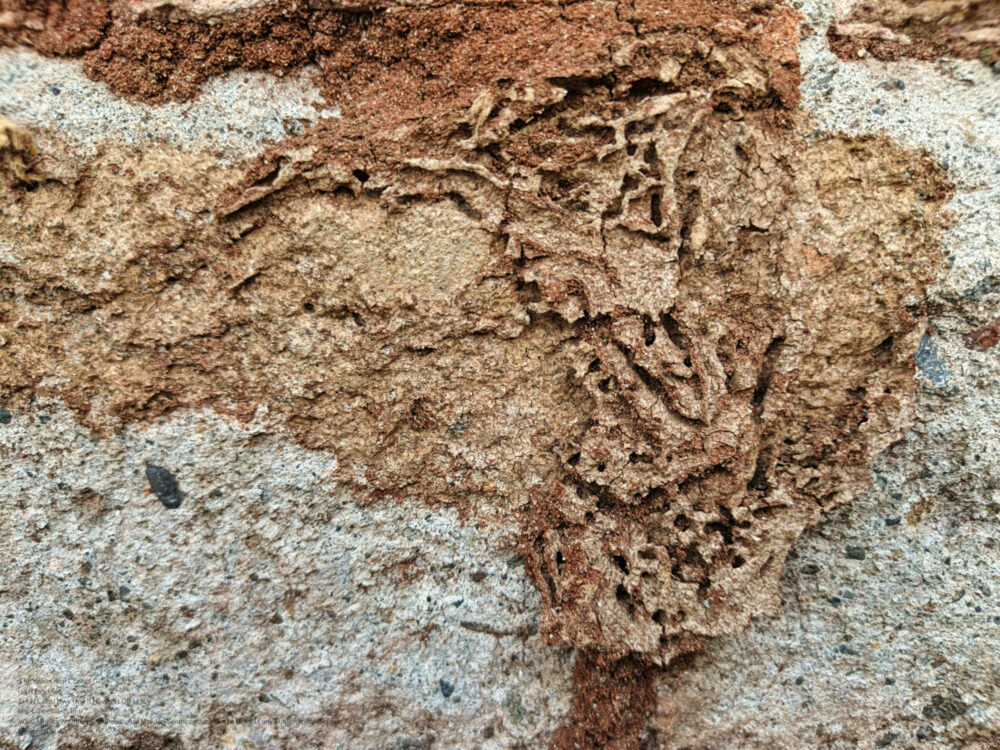
In one Portland property, a routine bait station inspection revealed increased worker termite activity months before visible mud tubes appeared. Because the activity was detected early, the infestation was contained before major structural damage occurred.
Another property had previously relied only on liquid treatment applications. After switching to interval-based termite baiting and recurring inspections, specialists identified new termite movement patterns near landscaping moisture zones.
According to the United States Environmental Protection Agency, integrated termite management strategies that reduce unnecessary pesticide exposure while improving monitoring can lead to safer, long-term pest control outcomes.
That shift toward prevention and monitoring is becoming increasingly important throughout modern pest management.
Want Reliable Termite Monitoring for Your Property?
Contact The Killers Pest Control today for trusted termite protection solutions!
5 Monitoring Mistakes that Let Termite Colonies Grow Unnoticed
Many termite infestations become severe because monitoring schedules were inconsistent or incomplete.
- One common mistake is assuming a single termite inspection is enough. Subterranean termites constantly forage, shift pathways, and adapt to environmental changes. Without recurring monitoring, colonies may remain active underground.
- Another issue is ignoring moisture buildup around foundations. Standing water, drainage problems, and damp crawl spaces accelerate termite activity and increase the risk of structural damage.
- Some property owners also rely too heavily on chemical treatments without ongoing monitoring. Some products may temporarily reduce termite activity, but without inspection intervals, new colonies can form undetected.
- Another problem is delayed bait replacement. Recruit HD termite bait must remain active and accessible for worker termite populations to distribute it effectively throughout the subterranean termite colony.
- Lastly, DIY pest management often overlooks hidden termite movement patterns entirely.
The Killers Pest Control helps prevent these issues through consistent inspection schedules, detailed analysis of bait stations, and certified Sentricon specialists trained to detect early-termite activity before structural damage spreads.
How Monitoring Intervals Help Collapse Termite Colonies Earlier
The power of termite baiting depends heavily on timing.
Sentricon® bait doesn’t work by creating an instant kill effect. Instead, worker termites feed on Recruit HD bait and carry it back through the colony. Over time, this disrupts molting cycles and weakens colony regeneration.
That process only works efficiently when bait stations remain properly monitored.
If stations are checked too infrequently, termite activity may go unnoticed. If inspections happen consistently, specialists can track feeding behavior, replace consumed bait, and identify changes in subterranean termite movement patterns before infestations intensify.
This strategy helped the Sentricon System earn recognition associated with Dow AgroSciences and the Presidential Green Chemistry Award for environmentally conscious termite control innovation.
Compared with older liquid treatment methods alone, interval-based termite monitoring delivers stronger, longer-lasting pest management results.
Sentricon in Portland OR Monitoring Strategies that Improve Early Detection
Every property has different termite pressures. That’s why sentricon in Portland OR monitoring schedules are tailored to environmental and structural conditions rather than following a single generic timeline.
Certified Sentricon specialists often adjust monitoring intervals based on several factors:
- Historical termite activity
- Soil moisture levels
- Foundation type
- Nearby wood debris or landscaping
- Seasonal climate changes
For example, properties near shaded soil zones or heavy moisture retention may require closer observation during wetter months.
Commercial properties also tend to need more frequent evaluations because larger foundations increase the number of potential termite entry points.
This monitoring strategy provides homeowners with peace of mind while improving the long-term performance of termite baiting systems.
Smart Prevention Habits that Support Termite Monitoring Systems
Even advanced termite treatments work better when property owners reduce environmental risk factors.
Simple prevention habits strengthen monitoring results and reduce the likelihood of hidden infestations:
- Repair leaking plumbing quickly
- Improve drainage around foundations
- Reduce wood-to-soil contact
- Schedule regular termite inspections
- Maintain dry crawl spaces and storage areas
These steps improve overall termite control while helping bait stations remain more effective over time.
The Killers Pest Control also encourages proactive prevention because termite damage often develops silently for years before becoming visible.
That’s especially important in Portland, OR, where moisture exposure creates ongoing risks for subterranean termites.
The Key Lesson Behind Effective Termite Monitoring Schedules
The biggest mistake in termite control is assuming silence means safety.
Subterranean termites often remain active long before visible warning signs appear. Consistent monitoring intervals allow certified Sentricon specialists to identify early-termite activity, replenish bait stations, and disrupt colony growth before structural integrity is compromised.
For homes and commercial properties in Portland, OR, monitoring schedules are just as important as the termite treatments themselves. When properly maintained, Sentricon systems provide stronger long-term termite protection while reducing future infestation risks.
Why The Killers Pest Control is the Trusted Choice for Long-Term Termite Protection
We at The Killers Pest Control provide the best solutions to our customers by combining advanced termite baiting systems with proactive monitoring strategies designed for Portland’s unique environmental conditions. Our team focuses on early detection, precision inspections, and long-term protection that safeguards structural integrity before serious termite damage develops.
As certified Sentricon specialists, we proudly deliver dependable customer care, responsive Emergency Service, and customized pest management plans for residential and commercial properties alike.
From termite control and dry foam applications to rodent control, bed bug control, and mosquito & yard treatment, we showcase professional expertise in every service we provide.
Contact The Killers Pest Control today for expert termite treatments and dependable sentricon in Portland OR.
Want Reliable Termite Monitoring for Your Property?
Contact The Killers Pest Control today for trusted termite protection solutions!