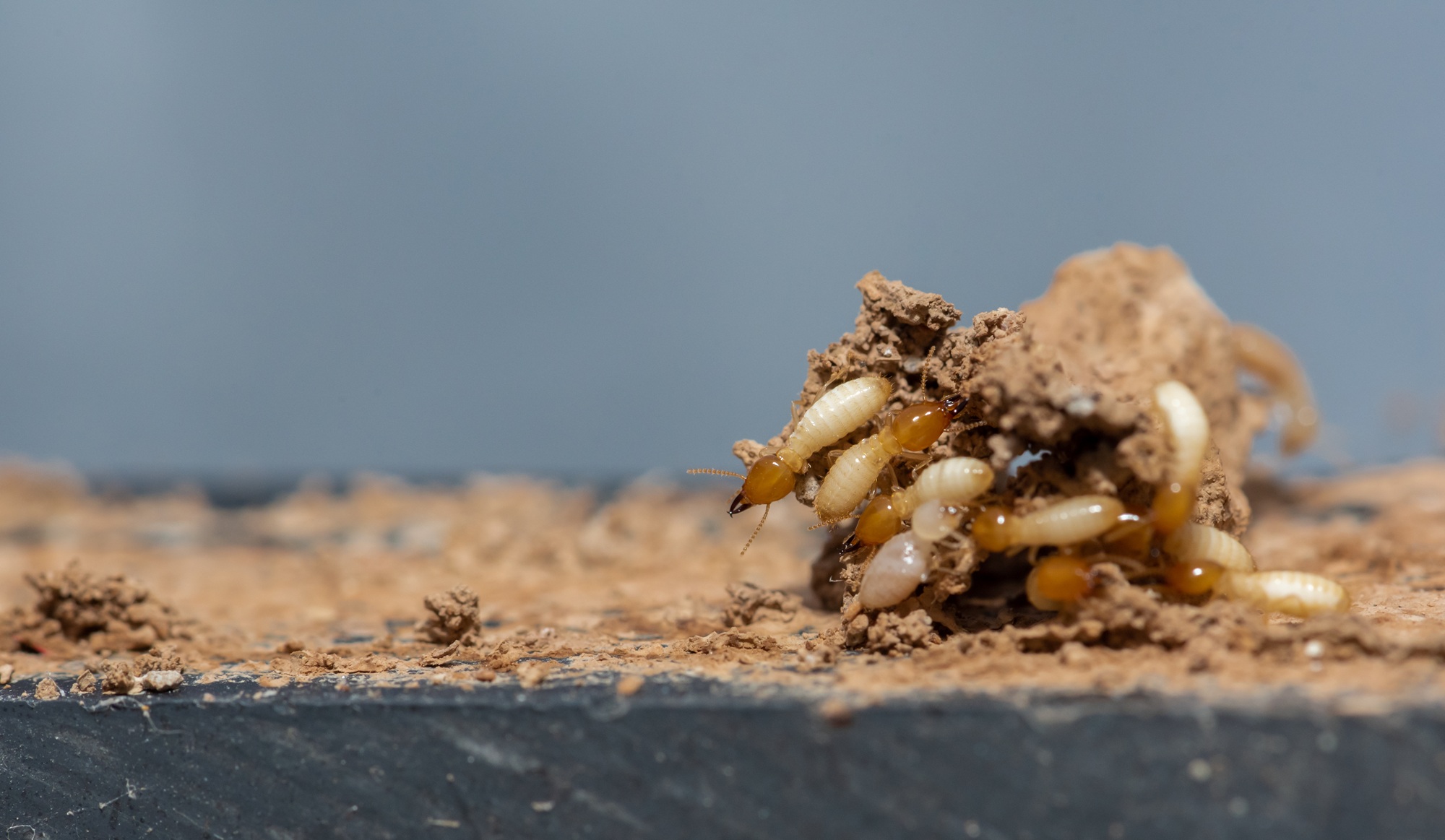
Why Underground Moisture Patterns Quietly Control How Fast Termite Colonies Spread
Moisture changes everything when it comes to termite behavior. Soil saturation, humidity levels, drainage conditions, and hidden water intrusion all influence how aggressively subterranean termites forage and consume bait. That’s one reason sentricon in Portland OR systems are carefully monitored in moisture-prone environments throughout the Pacific Northwest.
Subterranean termites depend on damp conditions to survive. When moisture variables shift around foundations, crawl spaces, or landscaping, bait consumption rates can increase dramatically. Understanding these environmental factors helps pest management professionals create stronger termite control strategies that protect structural integrity before costly structural damage develops.
Environmental moisture variables influence how quickly subterranean termites locate and consume Sentricon® bait. Soil saturation, drainage issues, humidity, and foundation moisture all affect termite foraging activity, helping certified Sentricon specialists determine monitoring intervals, bait station placement, and long-term termite treatments to eliminate colonies effectively.
Why Moisture Levels Change Termite Behavior Faster Than Most People Expect
Termites are highly sensitive to environmental conditions.
Subterranean termites require moisture to travel, feed, and maintain colony survival. In Portland, OR, regular rainfall and damp soil conditions create ideal environments for active termite movement beneath homes and commercial buildings.
People also ask: Do termites eat more bait during wet conditions? Yes. Increased moisture can encourage worker termite activity and expand underground foraging zones, often increasing interaction with termite baiting systems.
The Sentricon System relies on underground and above-ground stations strategically placed where termite activity is most likely to occur. Moisture-rich areas near foundations, drainage systems, or irrigation lines often become high-traffic zones for subterranean termites.
That’s why certified Sentricon specialists closely evaluate water retention patterns before placing bait stations. A poorly drained property may experience faster bait consumption rates than a dry, elevated structure.
This environmental awareness strengthens termite protection while improving long-term pest management outcomes.
What Technicians Notice During Real-World Moisture Inspections
Experienced technicians often identify termite risks before active infestations become severe.
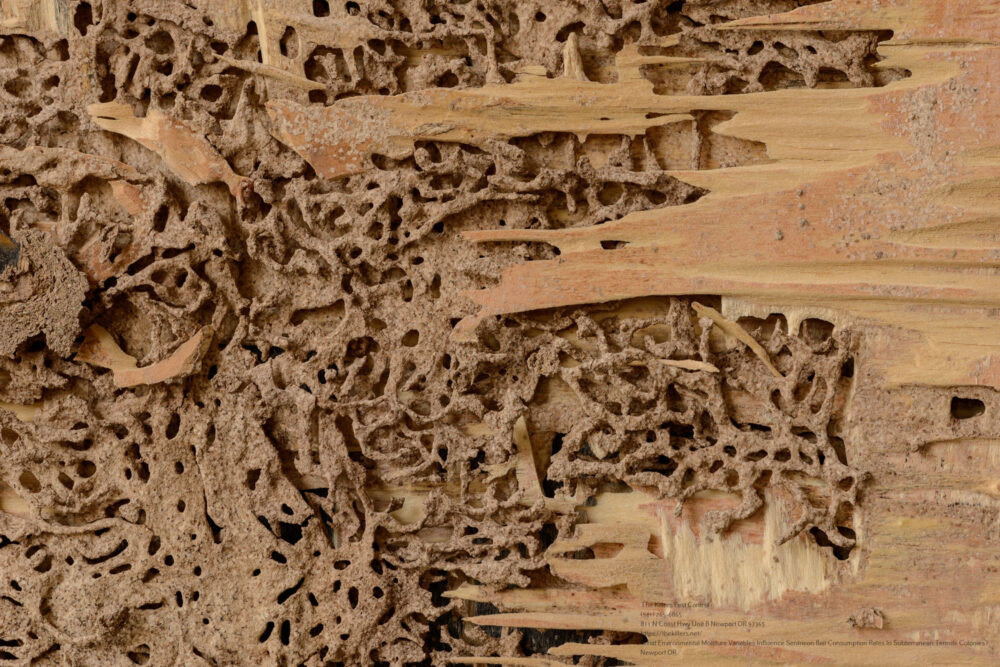
At one Portland property, recurring moisture buildup beneath a crawl space led to elevated termite activity near support beams. Although visible mud tubes had not formed yet, bait station inspections revealed increased subterranean termite movement.
Another structure experienced ongoing drainage overflow near landscaping beds. That excess moisture accelerated Recruit HD bait consumption rates significantly compared to surrounding properties.
According to the United States Environmental Protection Agency, reducing environmental conditions that attract pests is an important component of effective integrated pest management.
These moisture-driven inspection patterns help specialists create more accurate termite protection plans.
Need Reliable Termite Protection for Your Property?
Contact The Killers Pest Control today for trusted termite control solutions!
5 Hidden Moisture Mistakes that Increase Termite Activity
Some termite infestations begin because moisture problems go unnoticed for months.
- One major issue is poor drainage around foundations. Water accumulation near soil lines creates ideal conditions for subterranean termites to forage undetected.
- Leaking pipes and condensation around crawl spaces also contribute to elevated termite activity. Even small moisture pockets can attract worker termite populations seeking food.
- Another common mistake is ignoring damaged gutters or downspouts. Overflowing water often saturates soil directly beside structures, increasing the risk of structural damage over time.
- Improper ventilation matters too. Trapped humidity beneath flooring systems weakens wood and creates favorable conditions for termite control challenges.
- Finally, delayed inspections allow colonies to expand silently. The Killers Pest Control regularly finds hidden moisture conditions that contribute to termite damage, long before property owners notice visible warning signs.
Early inspections help prevent these avoidable pest management failures.
How Moisture Impacts Bait Consumption Inside Subterranean Termite Colonies
Termites don’t randomly discover bait stations. Moisture guides their movement.
Worker termite populations travel through soil using moisture gradients to maintain hydration and colony survival. When damp conditions increase around foundations, termites expand their search zones more aggressively.
That’s where Recruit HD termite bait becomes important.
The Sentricon® bait system uses carefully monitored bait stations that attract foraging termites without relying entirely on widespread chemical treatments. Once termites begin feeding, the bait transfers slowly throughout the colony.
This process disrupts colony development while reducing the risk of future structural damage.
Moisture-heavy environments often increase interaction with bait stations because termites remain active closer to the surface. In Portland, OR, that activity may continue year-round depending on rainfall patterns and drainage conditions.
That’s one reason the Sentricon System became associated with Dow AgroSciences’ innovation and recognition through the Presidential Green Chemistry Award.
Sentricon in Portland OR Moisture Analysis Helps Improve Bait Performance
Professional termite control isn’t just about installing bait stations. It’s about understanding how environmental conditions shape termite movement.
During inspections, certified Sentricon specialists evaluate several moisture-related variables before finalizing termite treatments:
- Soil saturation levels
- Drainage performance
- Crawl space humidity
- Irrigation runoff
- Foundation moisture exposure
These factors directly affect how subterranean termites interact with underground and above-ground stations.
For example, homes with poor drainage may require additional monitoring because excessive moisture can accelerate termite foraging patterns. Properties with consistent irrigation near landscaping often experience similar increases in activity.
This detailed analysis helps optimize termite baiting performance while improving long-term structural integrity protection.
Why Proactive Moisture Control Strengthens Termite Protection
The best termite control plans combine bait systems with moisture management.
Property owners can significantly reduce infestation risks by addressing environmental conditions that attract termites in the first place.
Several prevention strategies help improve termite protection:
- Repair plumbing leaks immediately
- Improve soil drainage around foundations
- Reduce standing water near structures
- Ventilate crawl spaces properly
- Schedule recurring termite inspections
These steps don’t eliminate termites, but they reduce the environmental conditions that support colony growth.
The Killers Pest Control often recommends combining termite treatments with proactive moisture reduction because prevention strengthens long-term pest management results.
That’s especially important in Portland, OR, where damp conditions remain common throughout much of the year.
The Biggest Lesson about Moisture and Termite Baiting Systems
Moisture doesn’t just attract termites. It changes how entire colonies behave.
Subterranean termites respond rapidly to damp soil conditions, foundation moisture, and environmental humidity. Those variables influence how quickly termites locate bait stations, consume Sentricon® bait, and expand colony movement beneath structures.
That’s why successful termite control requires more than chemical treatments alone. It requires environmental awareness, recurring inspections, and moisture-focused monitoring strategies.
For homes and commercial properties in Portland, OR, proactive moisture management combined with professional termite baiting creates stronger long-term protection against costly structural damage.
Why The Killers Pest Control is the Smart Choice for Long-Term Termite Defense
We at The Killers Pest Control provide the best solutions to our customers by combining advanced termite control systems with detailed environmental inspections designed to stop infestations early. Our team understands how moisture patterns, soil conditions, and hidden water intrusion influence subterranean termites throughout Portland, OR.
As certified Sentricon specialists, we provide dependable customer care, strategic bait station monitoring, and customized termite treatments that prioritize long-term structural integrity and peace of mind.
From Pest Control and Rodent control services to bed bug control, mosquito & yard treatment, Carpet Beetle Removal, and Moth Treatment, we proudly deliver reliable protection for homes and commercial properties alike.
Contact The Killers Pest Control today for expert termite protection and dependable sentricon in Portland OR.
Need Reliable Termite Protection for Your Property?
Contact The Killers Pest Control today for trusted termite control solutions!