
How Placement Errors, Environmental Conditions, and Missed Monitoring Affect Termite Control
Sentricon bait stations are designed to eliminate subterranean termite colonies, but their effectiveness depends on correct placement, termite feeding behavior, and consistent monitoring. For property owners researching Sentricon in Portland OR, understanding these factors can explain why termite activity sometimes continues after installation.
The Killers Pest Control offers Sentricon termite control services, providing a starting point for property owners who want to understand targeted termite management. Although Sentricon can reduce the need for extensive liquid termiticide applications around a building, it is not an instant solution, and several biological, environmental, and installation-related issues can affect its performance.
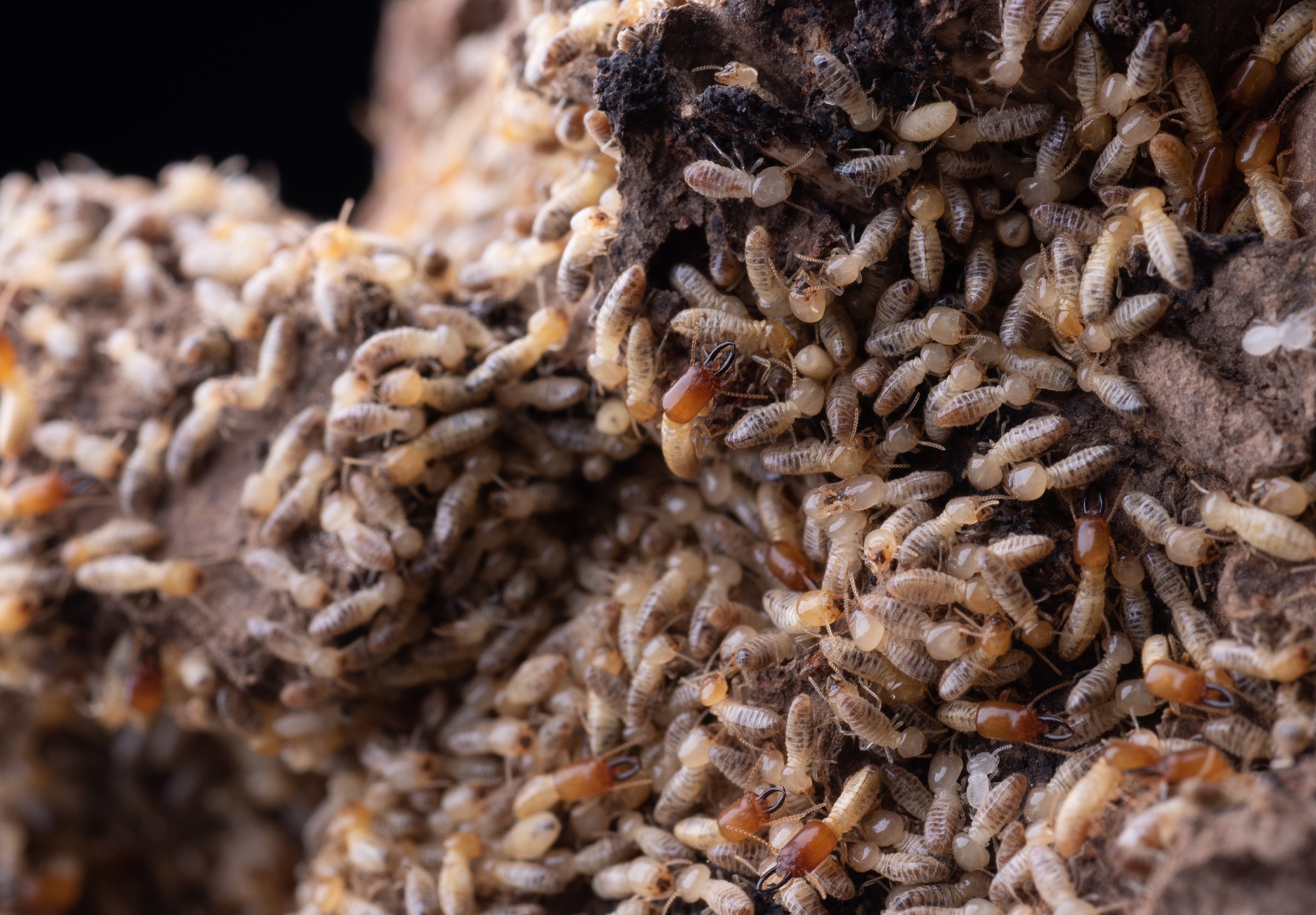
The system uses bait containing an active ingredient that disrupts termite molting. Foraging workers consume the bait and distribute it among colony members through normal food-sharing behavior, gradually affecting the colony’s ability to survive. However, termites must encounter the bait, consume enough of it, and distribute it within the colony for the treatment to be effective.
Incorrect Station Placement Can Keep Termites Away from the Bait
Subterranean termites usually travel through soil and protected pathways while searching for cellulose-based food sources, including wood and other plant materials. If bait stations are positioned away from active foraging routes, termites may continue feeding elsewhere without encountering them. Even a properly maintained station has limited value if termites rarely visit its location.
Station placement needs to account for foundation design, accessible soil, landscaping, known termite activity, and the manufacturer’s installation instructions. Concrete patios, driveways, walkways, and other paved surfaces can restrict the available locations for in-ground stations. Where access is limited, the treatment plan may need alternative placement locations or additional methods suited to the infestation.
Properties across Portland can present different installation challenges. Homes in Northwest Portland, the Pearl District, and South Waterfront may have varying foundation designs, landscaped areas, and paved surroundings. These neighborhood differences provide useful context when considering property layouts. Still, they do not independently determine termite risk or treatment success: a property’s actual construction and the locations where termites forage are more important than its neighborhood name.
Station placement should also remain consistent with product directions. Moving stations without professional guidance can disrupt monitoring records or cause them to be farther from active termite routes. If landscaping or construction changes the surrounding ground, the existing layout may need to be reviewed to confirm that the stations remain accessible and appropriately positioned.
Missed Monitoring Can Reduce the Effectiveness of Sentricon
Sentricon is a monitored baiting system, not simply a product that can be installed and ignored. Stations need to be checked according to the applicable service schedule to assess termite activity, bait condition, and potential maintenance issues. If inspections are missed, bait is depleted, stations are damaged, or termite encounters are lacking, these issues may go unnoticed, leaving the treatment plan unchanged when adjustments are needed. For more information about the system’s monitoring and maintenance requirements, visit the official Sentricon termite colony elimination system website.
Property maintenance can also interfere with the system. Gardening, construction, soil grading, and landscaping changes may disturb station locations or obstruct access. For example, a property owner might install a new garden bed or alter a drainage channel without realizing that the work has affected a nearby station. Such changes do not automatically cause treatment failure, but they warrant attention if they interfere with station access or the intended placement.
Property owners should avoid opening, modifying, or relocating stations without guidance from the responsible pest management professional. If a station becomes damaged, buried, displaced, or inaccessible, the issue should be reported for appropriate assessment. Consistent monitoring helps distinguish between stations that have not yet attracted termites and those that require maintenance or relocation.
Concerned about termites around your property?
Contact The Killers Pest Control to explore Sentricon termite protection options.
Seasonal Conditions and Competing Food Sources Can Delay Bait Consumption
Subterranean termite activity varies with environmental conditions and the availability of food. Soil moisture, temperature, and the location of accessible cellulose materials can influence where termites forage, making bait discovery difficult to predict. A colony may remain active around a property while showing little or no feeding at a particular station.
Portland’s climate includes wet periods and relatively drier summer conditions, which can change the environment around foundations and landscaped areas. These seasonal variations do not create a fixed timetable for termite activity, nor do they automatically make Sentricon ineffective. A station that receives little activity during one inspection may still be positioned appropriately, while another may need reassessment because termite foraging routes do not intersect it.
Wood debris, buried timber, untreated wooden borders, and other cellulose-based materials near the ground can provide alternative feeding opportunities. These materials do not necessarily prevent bait consumption, but they may influence termite movement and feeding patterns. Removing unnecessary wood debris, correcting wood-to-soil contact where practical, and addressing persistent moisture problems can strengthen preventive efforts without replacing an active treatment plan.
Regional geography should not be confused with property-specific evidence. Portland lies in the Pacific Northwest, between the broader landscapes associated with the Columbia River and Mount Hood, while the Pacific Ocean influences the region’s wider climate. However, neither proximity to these landmarks nor conditions elsewhere in North America establish whether a particular property has active termites. Similarly, Mount Tabor’s landscape, the bridges around Tilikum Crossing, and transportation routes served by the Portland Streetcar do not, on their own, determine how well bait stations perform. Local environmental conditions matter, but station-level observations and the property’s actual circumstances provide more useful evidence.
The active ingredient also takes time to affect the colony. Sentricon systems commonly use noviflumuron, which interferes with the formation of a termite’s exoskeleton during molting. Because the effects depend on termites progressing through this biological process, the treatment does not necessarily produce immediate visible results. Colony size, bait consumption, and the distribution of bait among colony members can all influence the time required for effective control.
Incorrect Pest Identification Can Leave the Real Problem Untreated
Not every insect found in damaged wood is a subterranean termite, and different termite groups may require different treatment approaches. Correct identification helps establish whether in-ground bait stations can reach the insects responsible for the damage. If the pest is misidentified, even a properly installed baiting system may fail to address the actual problem.
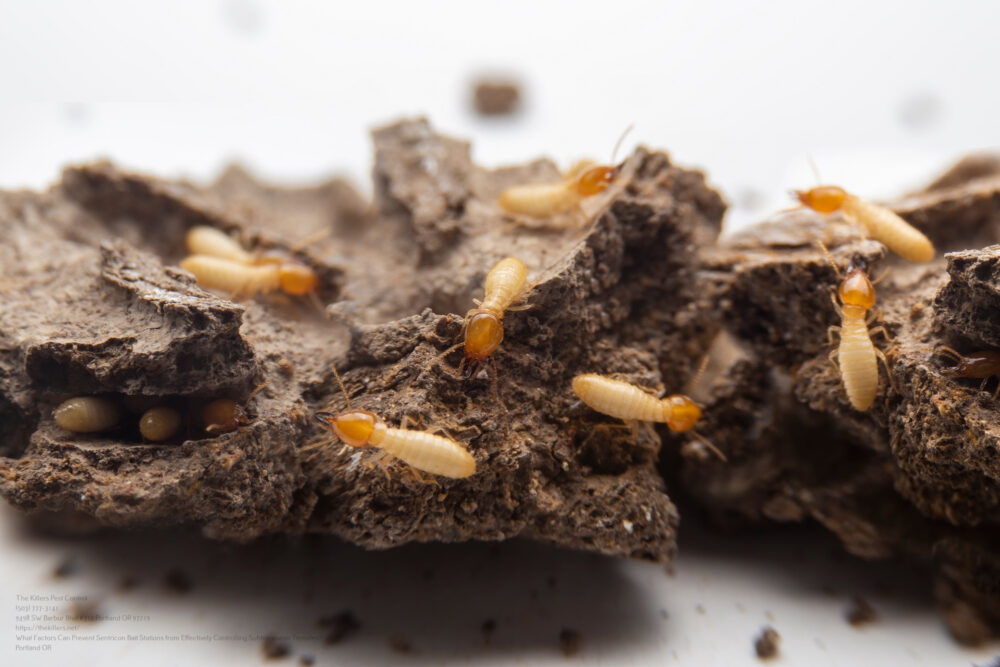
Subterranean termites generally maintain access to soil or protected pathways while foraging for food. Drywood termites, by comparison, can establish colonies within wood without depending on the same soil-based foraging behavior. Consequently, stations placed in the ground may not adequately address a drywood termite infestation. The location of the damage, evidence of live insects, shelter tubes, and other inspection findings help determine which pest is present.
A second complication occurs when a property has multiple areas of termite activity or when the installed stations do not intercept the relevant foraging routes. Continued activity may reflect a colony that has not yet been eliminated, a separate colony, or an area that the existing setup does not adequately address. Old wood damage can remain visible after termites have stopped feeding, so the condition of the wood alone cannot establish whether treatment has succeeded.
A review of the infestation should therefore focus on evidence rather than assumptions. Correct identification, the location of active termites, station feeding records, and the timing of new signs help determine whether the existing treatment needs more time, different placement, or supplementary measures.
Moisture Problems and Building Access Can Complicate Treatment
Moisture issues do not automatically prevent Sentricon from working, but they can create conditions conducive to termite activity and complicate access to parts of a property. Leaking plumbing, poor drainage, downspouts discharging near foundations, and wooden components in direct contact with soil can create favorable conditions for subterranean termites. These issues may also allow activity to continue in areas that are difficult to observe from outside.
In Multnomah County, property owners can benefit from paying attention to drainage patterns, irrigation, and the condition of wooden structures near the ground. Addressing persistent dampness and removing avoidable wood-to-soil contact can reduce the conditions conducive to an established colony, though these steps alone do not eliminate an established colony. The property’s construction, drainage, and accessible soil should be considered alongside station placement when determining whether a baiting strategy is suitable.
Enclosed foundations, additions, paved sections, and inaccessible structural spaces can complicate the assessment of termite activity. If the existing station network does not adequately address an active area, a qualified pest management professional may consider appropriate supplementary treatment. Any additional approach should be based on the infestation and applicable product directions, not on the assumption that applying more pesticide will automatically improve the result.
Property owners should not drill concrete, excavate foundations, or apply additional pesticides simply because termites remain visible. Unplanned work can damage the property, interfere with the treatment setup, or introduce unnecessary exposure risks. A documented review of the active areas and existing stations provides a more reliable basis for deciding what needs to change.
How to Respond When Termites Remain Active
Continued termite activity does not automatically prove that Sentricon has failed. The colony may still be consuming bait, the treatment may need more time, or one or more stations may require attention. The next step is to establish whether new activity is occurring and whether the existing treatment is reaching the termites responsible.
Property owners can record where and when fresh evidence appears, photograph newly discovered shelter tubes or damaged wood, and report any station damage or landscaping changes. These observations help establish a timeline, although photographs alone cannot confirm whether a colony has been eliminated. Existing stations should generally remain undisturbed unless the responsible professional recommends a change.
The treatment review should distinguish between old damage, continuing activity, and possible new infestations. Fresh shelter tubes or confirmed live termites warrant follow-up, while old damage may persist after feeding has stopped. Monitoring records can help explain whether termites have been feeding at the stations and whether the treatment is progressing as expected.
The Killers Pest Control provides Sentricon services for property owners considering targeted termite management. A discussion about the building’s construction, visible evidence, and station history can help clarify whether the existing setup needs attention or another approach is appropriate. Reliable termite control depends on matching the treatment to the pest and maintaining the system in accordance with its requirements.
Conclusion: Effective Sentricon Treatment Depends on the Right Conditions
Sentricon bait stations work by exploiting termite feeding behavior, but poor placement, missed monitoring, environmental changes, competing food sources, and incorrect pest identification can undermine their effectiveness. These factors do not always mean the system has failed; they indicate that treatment progress should be assessed using evidence and appropriate follow-up.
For property owners exploring Sentricon in Portland OR, The Killers Pest Control offers a starting point for discussing termite control options. Reviewing the property’s conditions and any signs of continued activity can help determine whether station adjustments, additional monitoring, or a different treatment method is warranted.
Concerned about termites around your property?
Contact The Killers Pest Control to explore Sentricon termite protection options.