
How Bait Stations Help Reveal Hidden Termite Activity Before It Becomes a Costly Problem
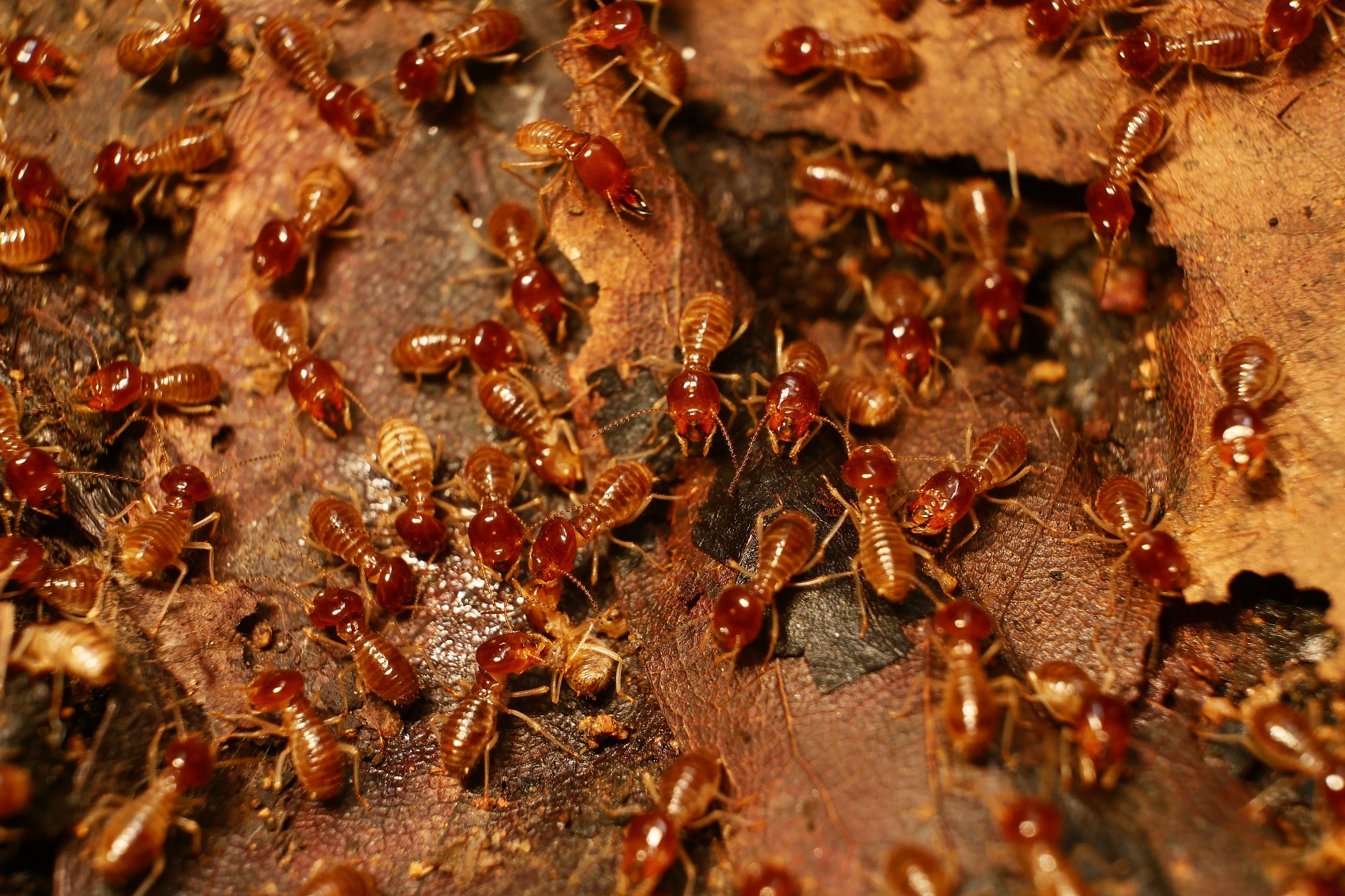
Subterranean termites can feed inside wood and other cellulose-containing materials long before a homeowner notices visible damage. For property owners researching Sentricon in Salem OR, the key question is whether bait stations can help address a termite infestation before structural problems become apparent. Sentricon is designed to attract foraging termites to bait stations and deliver an active ingredient that can help eliminate their colony.
The distinction between detecting termites and preventing damage is particularly important because subterranean termites often remain concealed. They may travel through soil, foundation gaps, or mud tubes to reach wood without exposing the main colony. By the time damaged timber, bubbling paint, or weakened trim becomes noticeable, termite activity may have been present for some time. A baiting system can help manage a colony when termites find and consume the bait, but it cannot replace an assessment of the building’s condition.
Sentricon should therefore be viewed as a termite control system, not an early-warning device that independently identifies every infestation. Its effectiveness depends on appropriate station placement, termite foraging behavior, and ongoing monitoring. For homeowners seeking complete termite protection, the practical goal is to combine a suitable treatment strategy with attention to warning signs and the condition of vulnerable parts of the structure.
How Sentricon Finds and Targets a Hidden Colony
Sentricon stations are placed at selected locations around a property where subterranean termites may forage. Worker termites searching for food can discover the bait, feed on it, and share it with other members of the colony. The system’s active ingredient, noviflumuron, interferes with molting, a process termites need to grow and develop. As affected termites die, the colony can lose the workers needed to gather food and maintain its population, eventually leading to colony elimination when the bait is distributed effectively.
This process does not mean the system automatically detects every colony. Termites must encounter the stations, and station activity can vary with their foraging patterns, site conditions, and the time of year. A station that shows no feeding during a visit does not necessarily prove that termites are absent from the property. It may mean that termites have not found that station or are currently feeding elsewhere. For that reason, Sentricon is best understood as a bait-based control system supported by monitoring, not as a sensor that identifies every hidden infestation.
The system is designed to help eliminate an entire colony, including the queen, when the bait reaches a sufficient number of individuals to disrupt its survival. However, no homeowner should interpret installation alone as proof that an existing termite infestation has been eliminated. The timing and outcome depend on the specific circumstances, and termite activity can continue while the baiting process is underway. That distinction matters because feeding damage may occur before control is complete.
Can Sentricon Prevent Damage Before It Becomes Visible?
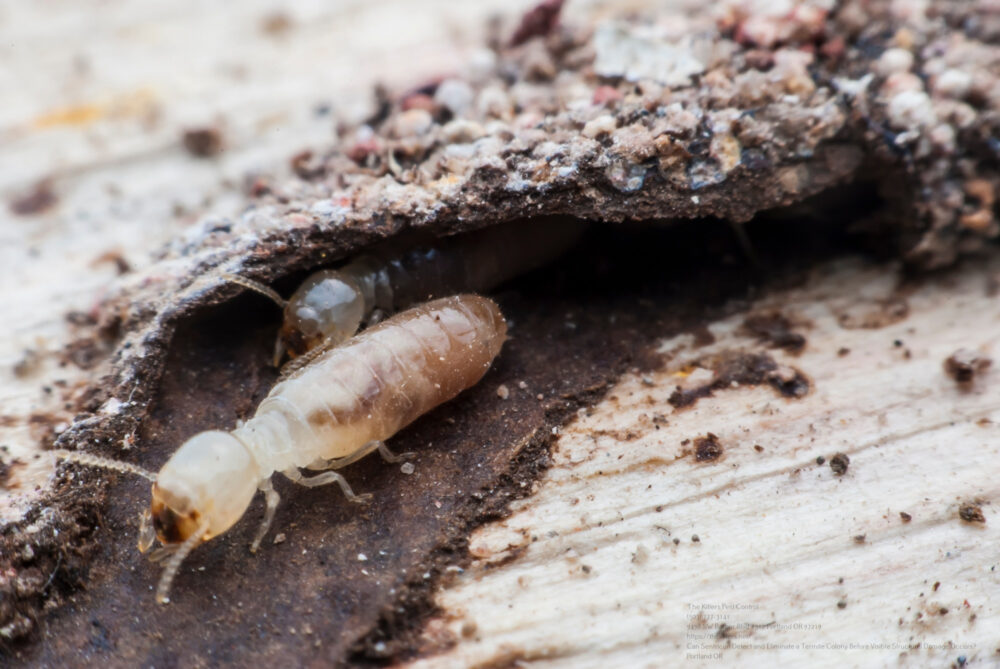
Sentricon can help manage a subterranean termite colony before obvious structural damage is discovered, particularly when the system is installed as preventive protection and maintained over time. Its role is to target termite colonies that encounter the bait, potentially reducing the risk of ongoing feeding by those colonies. However, the system cannot guarantee that termites will be found before they begin damaging wood. A colony may already be active when stations are installed, and termites may continue feeding while they find and consume the bait.
The amount of damage depends on factors such as how long termites have been feeding, where they are active, and which building materials they reach. Termites may damage concealed framing, floor joists, sill plates, trim, or other wood components without producing immediate surface clues. The Oregon State University Extension Service’s guide to termite prevention explains how moisture and wood-to-soil contact can contribute to termite infestations.Paint can remain intact while wood beneath it is affected, and a hollow sound when tapping timber is not conclusive evidence by itself. Sentricon does not measure the structural condition of these materials, so termite control and assessment of possible damage are separate tasks.
A homeowner should therefore treat early protection and damage detection as complementary goals. Bait stations can help control termite colonies, while visual inspections and an appropriate property assessment can help identify signs of termites or existing damage. If wood appears soft, crumbles easily, or shows visible tunneling, the affected area may need closer examination. Where structural components appear significantly weakened, a qualified building professional may be needed to assess their condition in addition to termite treatment.
Protect Your Property From Hidden Termite Damage
Contact The Killers Pest Control and explore Sentricon solutions for property.
Which Signs Still Need Attention Outside the Baiting System?
A property should still be checked for signs of termites, even when Sentricon stations are installed. Common warning signs include mud tubes on foundation walls, discarded wings near windows or doors, hollow-sounding or blistered wood, and live termites emerging from timber. No single visual clue provides a complete picture of the infestation, and some damage can remain hidden behind finished surfaces. University extension guidance identifies mud tubes, swarmers, and damaged wood as important indicators of possible subterranean termite activity.
Homeowners should avoid relying on a single station reading or assuming that visible activity has stopped simply because no termites are seen. If fresh mud tubes, damaged wood, or live termites appear, the evidence should be reported to a termite professional. The assessment may need to determine whether the activity is related to a colony already being targeted, to a separate entry point, or to another termite issue requiring attention. Removing a visible mud tube alone does not eliminate the colony, because termites may remain in the soil and create another route into the structure.
The condition of the property also matters beyond the immediate signs of activity. Leaking pipes, poor drainage, wood in direct contact with soil, and damp areas beneath a building can create conditions that deserve correction as part of a broader prevention plan. Such changes do not replace termite control, but they can reduce avoidable risks around the structure. Any suspected damage to load-bearing wood should be assessed appropriately, since termite treatment alone does not restore weakened timber.
What Research and Recognition Say about Sentricon
Sentricon’s targeted baiting approach has a documented history in termite management. In 2000, the system received recognition through the U.S. Environmental Protection Agency’s Presidential Green Chemistry Challenge, in the Designing Greener Chemicals category. The EPA’s historical summary described the earlier Sentricon system, which used hexaflumuron and highlighted targeted bait delivery as an alternative to broad-based soil pesticide applications. That award is a historical recognition of the technology; it should not be confused with a guarantee that every current infestation will be eliminated before damage occurs.
Independent research studies and product documentation can help explain how bait systems affect termite colonies. Still, homeowners should distinguish evidence about a treatment’s mechanism from a promise about an individual property. Results can vary with the termite species, the colony’s foraging behavior, the building’s construction, and how the system is installed and monitored. Certified Sentricon Specialists are trained to work with the system, but the specific qualifications of any service provider should be confirmed directly rather than assumed from the product name alone. The most useful question is how the proposed ongoing service will monitor activity and respond if termites are still found.
Sentricon is one termite control product, not a substitute for every part of a property protection plan. In some situations, a professional may consider other methods, including liquid treatments, based on the location and nature of the infestation. The choice should be guided by site conditions, the treatment’s purpose, and the relevant product instructions rather than the assumption that a single approach fits all homes.
Early Protection Works Best With Continued Attention
Sentricon can help eliminate a subterranean termite colony before extensive damage becomes obvious, but it cannot guarantee that termites will be detected before feeding begins. Its value lies in targeting colonies through bait and supporting ongoing protection through monitoring. The system works best as part of a broader approach that also accounts for visible warning signs, moisture conditions, and the building’s physical condition.
Homeowners considering Sentricon in Salem OR, can learn more about the service through The Killers Pest Control. A discussion with a termite professional can help clarify whether bait stations suit the property’s circumstances, what ongoing service involves, and how any existing signs of termites or damage should be addressed. Early action offers a better opportunity to manage termite activity before a hidden problem becomes a more substantial repair concern, although no treatment can promise damage will never occur.
Protect Your Property From Hidden Termite Damage
Contact The Killers Pest Control and explore Sentricon solutions for property.