
Why Pests Learn Fast, Homeowners Get Stuck Repeating Treatments and Professionals Change the Outcome
If pests keep coming back even after repeated treatments, it’s rarely because the product “stopped working.” More often, it’s because pests adapted. In Salem’s mild climate, insects and rodents quickly adjust their behavior, movement patterns, and nesting locations. That’s why pest control in Salem OR strategies built around professional pest management outperform repeated DIY or reactive approaches that pests learn to avoid.
Behavioral adaptation is real. And ignoring it leads to escalating infestations, wasted money, and growing frustration.
Professional pest control addresses behavioral adaptation by identifying changing pest patterns, rotating treatment methods, sealing entry points, and targeting nesting areas. Instead of repeating the same approach, professionals adjust strategies as pests adapt, restoring effectiveness and preventing infestations from becoming resistant to routine treatments.
Why Pests Adapt Faster than Most Property Owners Expect
People also ask: Can pests become resistant to pest control treatments?
Yes—and not just chemically. Pests adapt behaviorally. Bed bugs shift hiding places. Carpenter ants reroute trails. Rodents change feeding times. Fleas retreat deeper into crawl spaces. These adaptations allow pests to survive repeated treatments that never change.
In Salem, OR, seasonal shifts, older structures, crawl spaces, and moisture create predictable environments pests exploit. When treatments remain unchanged, pests learn where to avoid exposure. Professional pest control adjusts before infestations gain that advantage.
The Common Mistakes that Train Pests to Outsmart Treatments
Repeated treatments often fail because they teach pests what to avoid. The most common mistakes include:
- Using the same product repeatedly
- Treating visible pests only
- Ignoring interior areas and crawl spaces
- Skipping sealing entry points
- Failing to address pest patterns
- Reacting instead of monitoring
The Killers Pest Control prevents these mistakes by changing treatment methods, identifying movement patterns, and eliminating shelter zones pests rely on. Behavioral adaptation isn’t random—it follows patterns professionals are trained to recognize.
According to the U.S. Environmental Protection Agency’s guidance on integrated pest management, rotating strategies and addressing environmental conditions is essential to long-term control.
Do You Want Treatments That Stay Effective Over Time?
Contact The Killers Pest Control today to schedule treatment and receive a complimentary quote.
Why Behavioral Adaptation Makes Repeated Treatments Less Effective Over Time
Repeated treatments lose impact because pests stop interacting with them. Ant control fails when trails move behind walls. Rodent control weakens when food sources shift. Bed bug treatment loses reach when insects hide deeper inside furniture or wall voids.
This leads to structural damage, increased disease transmission risk, and larger infestations. Each failed attempt increases the scope of work needed later. Professional pest control restores effectiveness by staying one step ahead of pest behavior instead of reacting after the fact.
How Pest Control Adjusts Strategies as Pests Change
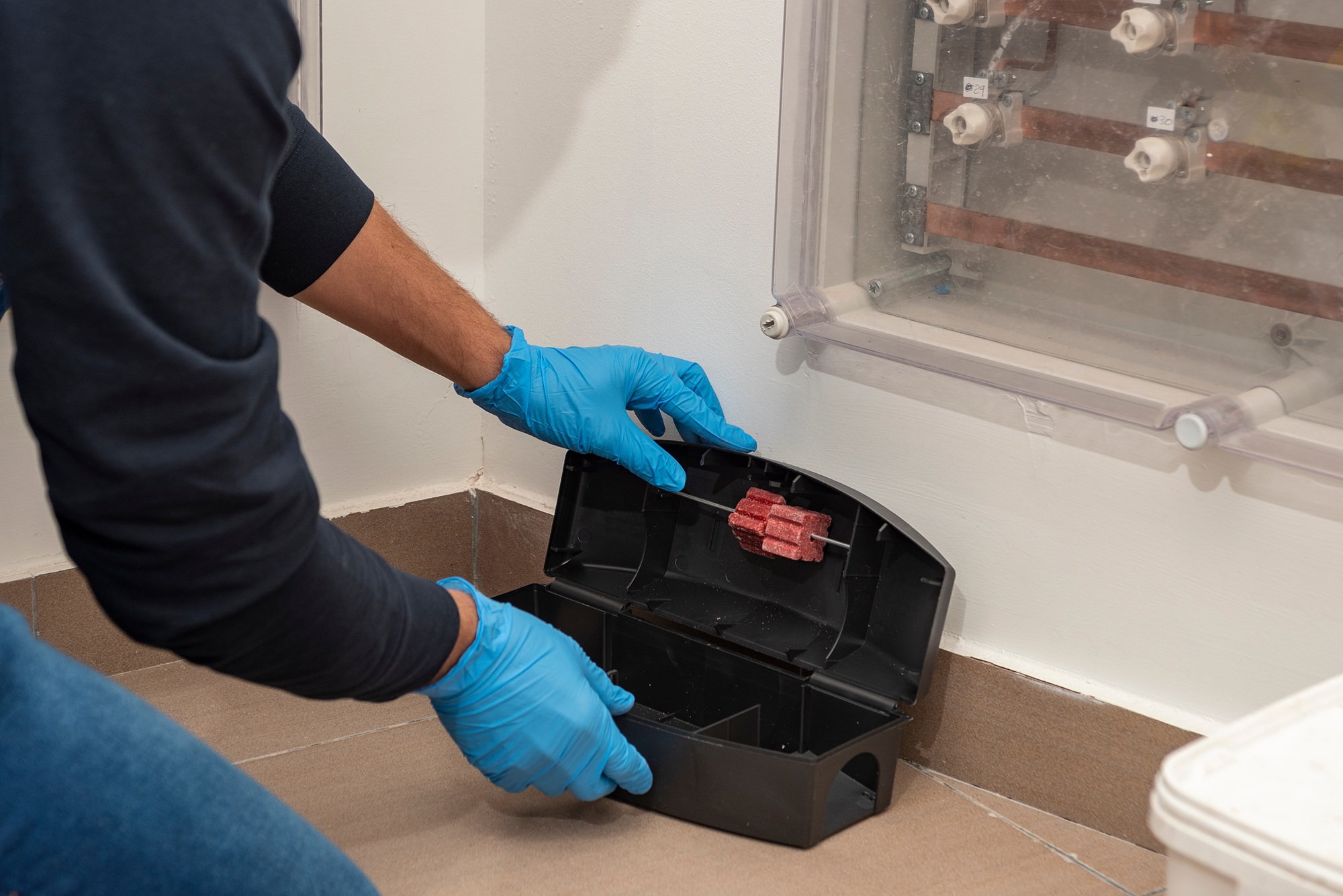
Pest control services analyze how pests move, where they nest, and how they respond to pressure. Certified technicians inspect interior areas, crawl spaces, and exterior perimeters to understand pest issues beyond surface activity.
Treatment methods rotate. Products change. Placement adapts. Entry points are sealed. This flexibility prevents pests from settling into avoidance routines that make repeated treatments ineffective.
Professional Techniques that Disrupt Pest Learning Cycles
Effective pest control relies on variation and precision. Professionals use:
- Rotating treatment methods
- Perimeter protection adjustments
- Targeted interior treatments
- EPA Reduced Risk products
- Sealing entry points to block rerouting
In Salem’s local area, pests respond differently across seasons. Flea control requires different timing than wasp removal. Subterranean termites demand ongoing monitoring. Professionals adapt continuously—pests can’t predict what’s next.
Real Example: When Repetition Failed and Strategy Worked
A Salem homeowner experienced recurring bed bug issues after multiple over-the-counter treatments. Each application reduced activity temporarily, but infestations returned stronger. Bed bugs had adapted, relocating deeper into furniture and wall seams.
The Killers Pest Control performed a full inspection, identified behavioral shifts, and applied a layered bed bug treatment plan. Nesting areas were addressed, movement paths blocked, and treatment methods rotated. The infestation was eliminated without recurrence.
Expert Insight: Why Pest Behavior Matters More than Product Strength
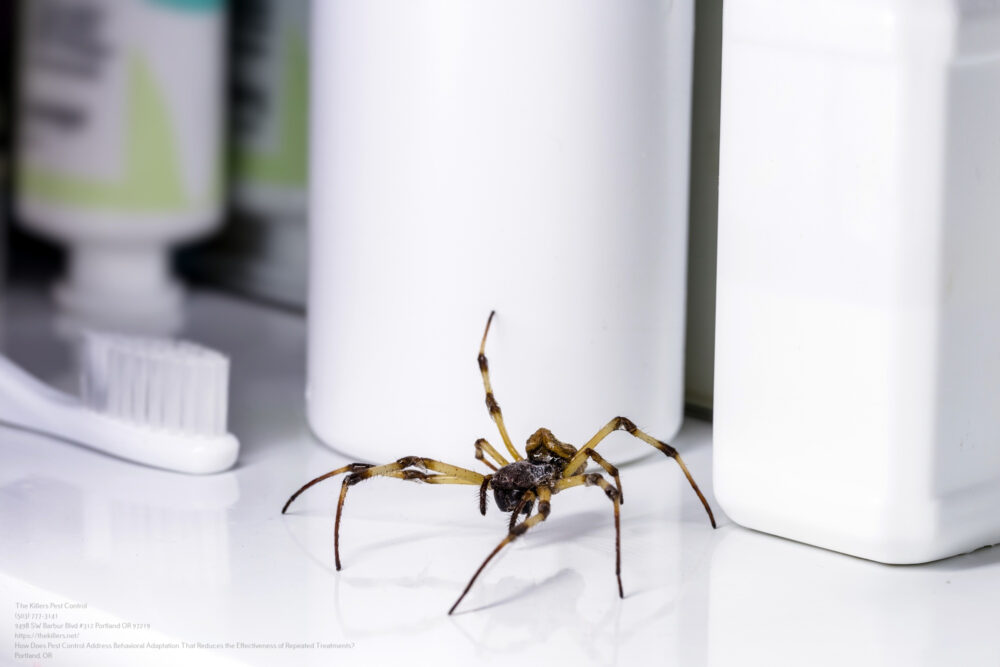
Strong products don’t guarantee success. Understanding pest patterns does. A lead technician knows where black widow spiders relocate after surface treatments. Rodent control succeeds when nesting routes are interrupted. Carpenter ants abandon trails when moisture access is removed.
Professional pest control addresses how pests think, not just where they appear. That expertise prevents pests from adapting faster than treatments.
What Property Owners Should Understand About Long-Term Control
Behavioral adaptation explains why pest infestations escalate despite repeated treatments. Property owners should remember:
- Pests learn from pressure
- Repetition creates avoidance
- Patterns predict survival
- Adaptation requires strategy
For Salem residents, pest management must evolve continuously to remain effective.
The Killers Pest Control: Outsmarting Pests Before They Outsmart You
We at The Killers Pest Control provide the best solutions to our customers by addressing pest behavior, not just pest presence. Our approach adapts as pests adapt, using tailored treatment methods that prevent avoidance and long-term resistance.
We proudly showcase our Platinum Service, professional expertise, and commitment to adjusting strategies as conditions change. From bed bug issues to wood-destroying organisms and rodent control, our services stay effective because they evolve.
Contact The Killers Pest Control for expert services and stop pests from adapting faster than your treatments. Lasting protection begins with strategic pest control in Salem OR designed to stay ahead of pest behavior.
Do You Want Treatments That Stay Effective Over Time?
Contact The Killers Pest Control today to schedule treatment and receive a complimentary quote.