The Smartest Termite Systems Don’t Just Stop Visible Activity; They Interrupt the Colony from the Inside Out
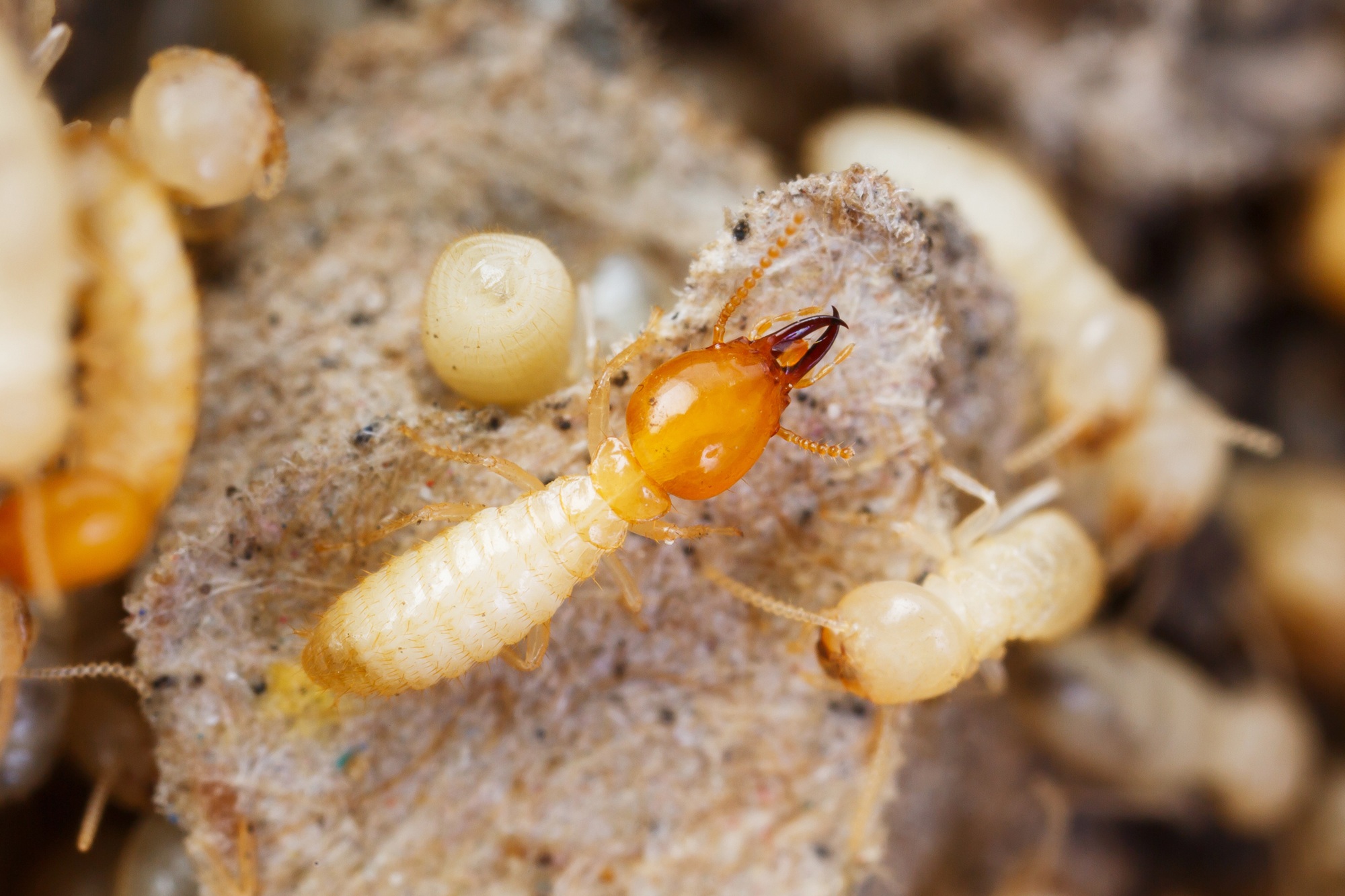
Termites rarely work alone. Beneath homes and commercial buildings, entire underground colonies operate continuously, with Worker termites feeding, transferring nutrients, and expanding hidden networks through soil and Wood structures. That’s why sentricon in Vancouver WA systems focus on colony-wide suppression instead of surface-level termite treatment alone.
Modern Termite Baiting works because termites naturally share food sources throughout the colony. When Worker termites consume Recruit® HD bait and distribute it to others, the system disrupts reproductive cycles and long-term colony survival. In the Pacific Northwest, where moisture and soil conditions support persistent Subterranean termites, this strategy helps reduce Structural damage before it becomes severe.
Sentricon systems achieve multi-generational termite suppression by using bait transfer mechanisms that allow Worker termites to share the Recruit HD termite bait throughout the colony. This disrupts molting and reproductive cycles, helping eliminate hidden termite populations while supporting long-term Termite Protection and reduced structural damage risks.
Why Termite Colonies are Harder to Eliminate Than Most People Realize
A single termite colony can contain hundreds of thousands of termites moving through hidden pest travel routes beneath structures. Killing visible termites alone doesn’t solve the real problem.
That’s because Worker termites constantly feed queens, immature termites, and other colony members through shared nutrient exchange. Traditional chemical sprays or surface barrier treatments may temporarily eliminate visible activity, yet hidden colonies often survive deeper underground.
People also ask: How does Sentricon eliminate entire termite colonies? Sentricon® bait relies on natural feeding behaviors. Worker termites consume the bait and transfer it through the colony, interrupting development cycles and reducing long-term reproduction.
In Vancouver, WA, moist environmental conditions create ideal environments for Subterranean termites. Crawl spaces, HVAC ducts, damp foundations, and wood structures become common risk zones during heavy moisture seasons.
That’s why Structural pest inspections matter so much before Professional installation begins.
What Experienced Technicians Learn from Real Termite Suppression Projects
Technicians often notice how environmental conditions shape colony behavior differently from one property to another.
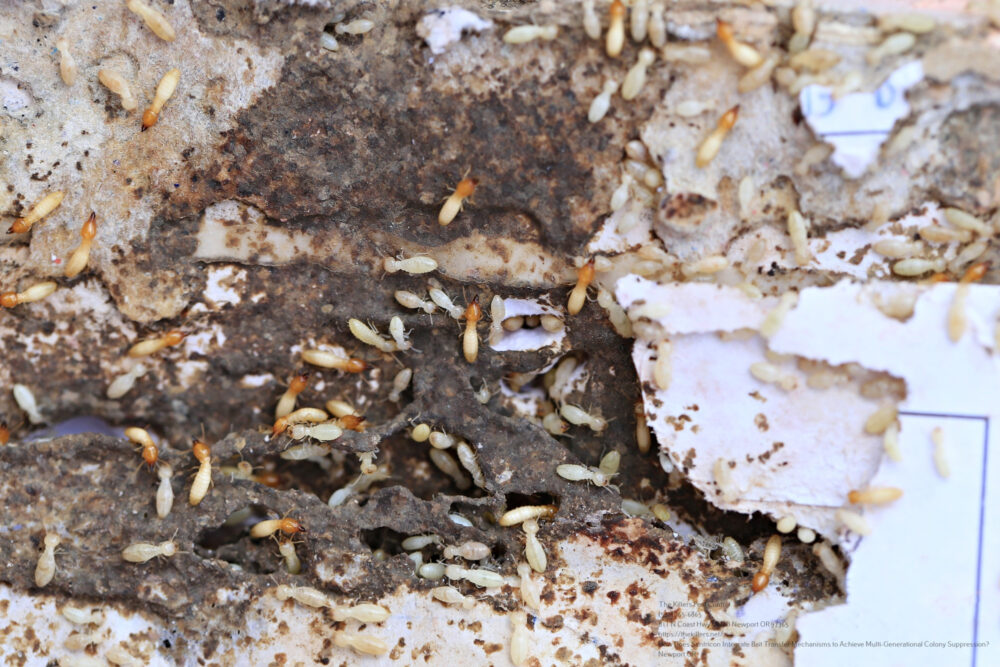
One Vancouver, WA homeowner experienced recurring termite activity despite previous liquid barrier treatments. Structural inspection revealed hidden moisture buildup beneath insulation near HVAC ducts, allowing Worker termites to bypass older treatment zones entirely.
After certified Sentricon specialists repositioned bait stations along active pest travel routes, colony activity declined steadily over several monitoring cycles.
The United States Environmental Protection Agency explains that integrated pest management focuses on prevention, monitoring, and reduced-risk solutions to minimize environmental exposure while improving long-term pest suppression.
These real-world observations help pest control professionals build smarter termite management strategies that deliver stronger, longer-term results.
Need Reliable Termite Protection for Your Property?
Contact The Killers Pest Control today for trusted termite control solutions!
5 Mistakes that Weaken Colony Suppression Performance
Many termite infestations continue because early warning signs are overlooked, or treatment strategies focus only on visible damage.
- One common mistake is waiting until mud tubes or Structural damage become obvious. By then, termite populations may already be deeply established beneath foundations.
- Another issue involves relying solely on liquid barrier treatments without understanding colony movement patterns. While products like Termidor® liquid may help in certain situations, hidden colonies can sometimes shift travel paths around treatment zones.
- Poor maintenance around pest entry points also increases risks. Leaking pipes, moisture buildup near HVAC ducts, and untreated wood contact often encourage termite expansion.
- Some homeowners confuse Carpenter ant activity, bed bug infestation signs, or cockroach infestation signs with termite problems. Accurate pest inspection services help distinguish these issues before unnecessary treatments are applied.
- Ignoring recurring monitoring schedules is another major problem. Termite activity changes with seasonal moisture conditions throughout the Pacific Northwest.
The Killers Pest Control helps property owners avoid these costly mistakes through detailed pest management plans tailored to Vancouver, WA conditions.
How Bait Transfer Creates Long-Term Colony Suppression
The real strength of the Sentricon System comes from termite biology itself.
Worker termites constantly share food sources within colonies through trophallaxis, a natural nutrient exchange process. Sentricon® bait uses this behavior strategically.
When Worker termites encounter Recruit HD termite bait inside a bait station, they carry microscopic portions back to the colony. Over time, this transfer mechanism disrupts termite molting cycles across multiple generations.
Instead of immediate, visible extermination, colony elimination occurs gradually within the colony’s structure itself.
This approach differs significantly from older pest control methods that relied heavily on widespread chemical sprays or soil-saturation techniques.
Because the system targets colony reproduction rather than only surface activity, long-term Termite Protection becomes more reliable.
This environmentally conscious strategy also contributed to the Sentricon system receiving recognition connected to the Presidential Green Chemistry Award.
Why Sentricon Strategies Depend on Termite Behavior Patterns
Successful termite baiting depends on understanding how termites forage, communicate, and expand underground colonies.
That’s why sentricon in Vancouver WA systems are designed around termite behavior analysis instead of generalized spraying alone.
Certified Sentricon specialists evaluate:
- Soil moisture patterns
- Pest travel routes
- Wood-to-soil contact
- Foundation vulnerabilities
- Historical termite activity
- Structural risk conditions
Subterranean termites don’t randomly appear. They follow predictable environmental patterns tied to moisture and food availability.
Properties with older crawl spaces, untreated wood framing, or poor drainage are often associated with higher colony pressure. During wetter seasons in Vancouver, WA, termite movement can increase dramatically beneath residential pest treatment zones.
Professional installation ensures stations intercept active termite traffic efficiently while supporting long-term colony suppression.
Why Integrated Prevention Strengthens Bait Transfer Systems
Even advanced Baiting Systems perform better when environmental risks are reduced.
Integrated Pest Management strategies help strengthen colony suppression by minimizing conditions that attract termites in the first place.
Several preventative measures improve long-term performance:
- Reduce excess soil moisture around foundations
- Seal pest entry points near utility penetrations
- Improve ventilation around crawl spaces
- Eliminate untreated wood-to-soil contact
- Schedule recurring Structural pest inspections
These proactive steps help reduce conditions that support termite growth and secondary infestations involving sugar ants, disease-carrying cockroaches, or rodent removal concerns.
The Killers Pest Control often combines green pest control strategies with targeted termite treatment plans for stronger long-term protection.
That balance helps reduce concerns about groundwater contamination associated with excessive traditional chemical exposure.
The Biggest Takeaway about Multi-Generational Termite Suppression
Termite colonies survive because they function as highly connected underground systems.
Sentricon works by interrupting those systems from the inside. Instead of targeting only visible termites, bait-transfer mechanisms allow Recruit® HD materials to spread gradually throughout the colony.
That process weakens reproduction, disrupts molting cycles, and reduces the reproductive output of future colony generations over time.
For homes and businesses throughout Vancouver, WA, this approach provides stronger long-term termite protection while reducing the need for excessive surface chemical applications.
When termite behavior is understood properly, colony elimination becomes far more effective.
Why The Killers Pest Control is the Smart Choice for Long-Term Termite Protection
We at The Killers Pest Control provide the best solutions to our customers by combining advanced termite treatment strategies with environmentally responsible Sentricon systems designed for lasting colony elimination. Our team carefully studies termite behavior, moisture conditions, and structural vulnerabilities to create dependable protection plans for homes and commercial properties.
As certified Sentricon specialists, we proudly deliver professional installation, recurring monitoring, and trusted customer care backed by years of pest control experience throughout Vancouver, WA.
From ant removal and rodent removal to wasp removal, silverfish removal, bed bug treatment, spider control, and full-service exterminator solutions, we showcase reliable pest management services built around long-term customer confidence.
Contact The Killers Pest Control today for expert termite treatment and dependable sentricon in Vancouver WA protection.
Need Reliable Termite Protection for Your Property?
Contact The Killers Pest Control today for trusted termite control solutions!