Why the Ground Beneath a Property Can Determine Whether Termite Baiting Succeeds or Struggles
A termite protection system is only as effective as the environment surrounding it. Soil density, moisture retention, drainage patterns, and hidden pathways for pest travel all affect how quickly subterranean termites locate and consume bait. That’s why sentricon in Vancouver WA strategies rely heavily on soil interaction analysis before bait stations are installed.
In the Pacific Northwest, constantly changing moisture conditions can alter termite movement patterns throughout the year. A poorly placed bait station may reduce interception performance, while a strategically positioned system can disrupt colony elimination cycles before serious Structural damage begins.
Soil interaction factors, such as moisture levels, compaction, drainage, wood contact, and termite travel routes, influence Sentricon station placement. Certified Sentricon specialists evaluate these conditions carefully to improve bait consumption, termite interception performance, and long-term termite protection for residential and commercial properties.
Why Soil Conditions Quietly Shape Termite Movement Patterns
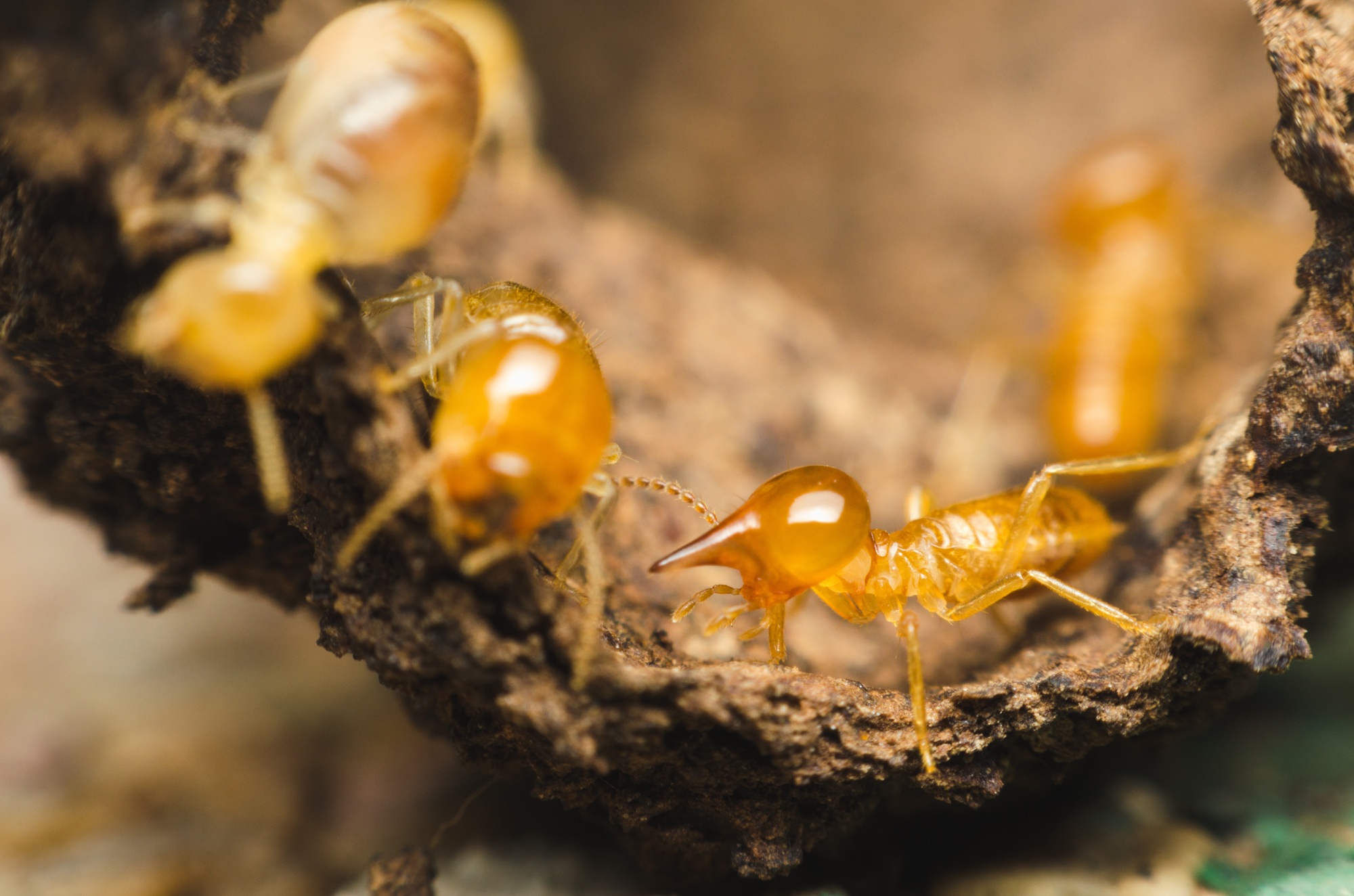
Subterranean termites don’t move randomly through the ground. They follow moisture, temperature stability, and protected travel paths beneath structures.
That’s why professional pest control begins with detailed Structural pest inspections instead of immediately installing Bait station systems.
People also ask: Why does soil matter in termite baiting systems? Soil conditions influence how worker termites travel, forage, and locate Sentricon® bait. Moisture levels and compaction directly affect termite activity and bait interception rates.
In Vancouver, WA, varying soil composition creates unique termite behavior patterns across neighborhoods. Some areas retain heavy moisture during Swarm Season, while others dry out quickly during warmer months.
Certified Sentricon specialists carefully study these environmental differences. Soil near foundations, HVAC ducts, retaining walls, or Wood structures often creates preferred pest travel routes for Subterranean termites.
This environmental evaluation helps improve long-term Termite Protection while minimizing unnecessary chemical exposure.
What Technicians Learn from Real-World Soil Interaction Patterns
Experienced pest control professionals often notice subtle environmental changes before infestations become severe.
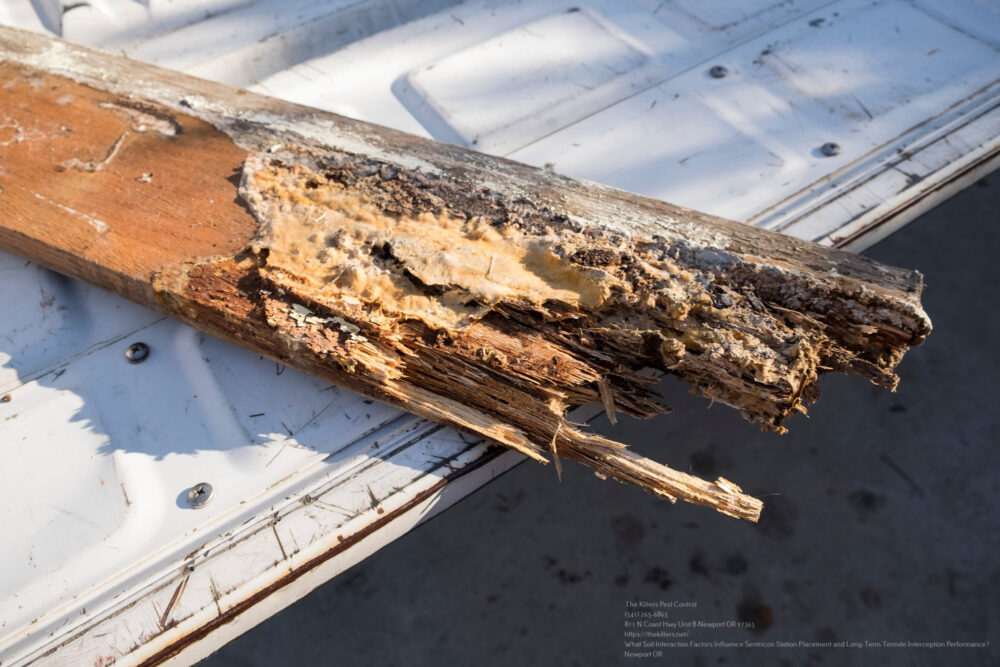
One Vancouver, WA property showed minimal visible termite activity, yet recurring moisture buildup near a retaining wall created ideal travel conditions beneath the structure. After adjusting the bait station placement, termite interception rates increased significantly.
Another property experienced recurring Carpenter ant and cockroach infestations alongside termite activity, as soil saturation enabled multiple pest behaviors to co-occur.
According to the United States Environmental Protection Agency, environmentally responsible pest management strategies should focus on prevention, monitoring, and reduced-risk control methods whenever possible.
These environmental insights enable pest control professionals to develop more effective pest management plans while reducing long-term infestation risks.
Need Advanced Termite Protection for Your Property?
Contact The Killers Pest Control today for trusted termite control solutions!
5 Soil-Related Mistakes that Reduce Bait Station Performance
Many termite treatment failures begin with overlooked environmental conditions.
- One common issue is placing bait stations too close to heavily compacted soil. Dense ground can reduce termite movement near stations, limiting interaction with Recruit HD termite bait.
- Another problem involves excessive water saturation. Poor drainage may cause flooding in underground Baiting Systems, reducing their effectiveness over time.
- Some property owners also ignore wood-to-soil contact around foundations, fences, or landscaping features. These hidden pest entry points often attract Worker termites before they encounter bait stations.
- Improper landscaping can create additional complications. Thick mulch layers and uncontrolled irrigation sometimes redirect termite travel routes away from treatment zones.
- Delayed Pest Inspection schedules are another major concern. During High Season and Breeding Season, termite movement can increase rapidly beneath structures, with no obvious warning signs.
The Killers Pest Control helps clients avoid these mistakes through detailed pest management plans tailored to local soil conditions across Vancouver, WA.
How Soil Interaction Directly Affects Colony Elimination Success
The Sentricon System works by intercepting termites before colonies expand deeper into structures.
When Worker termites discover Sentricon® bait, they transport Recruit® HD materials back into the colony. Over time, this process disrupts colony reproduction and feeding cycles.
However, interception performance depends heavily on station placement.
If soil conditions discourage termite movement near stations, bait consumption rates may slow dramatically. Moisture-rich soil zones often lead to greater termite activity because Subterranean termites depend on humid environments for survival.
This is one reason the Sentricon System became widely recognized alongside the Presidential Green Chemistry Award associated with environmentally conscious termite management innovation.
Compared to older barrier treatments or liquid-only termite treatment systems, strategic Termite Baiting focuses more directly on termite behaviors and colony elimination patterns.
That difference can significantly improve long-term Structural damage prevention.
Sentricon Placement Strategies Depend on Underground Conditions
No two properties share identical soil behavior patterns.
That’s why sentricon in Vancouver WA installations involve careful environmental analysis before stations are placed. Certified Sentricon specialists examine factors including:
- Soil moisture retention
- Drainage flow patterns
- Ground compaction levels
- Existing mud tubes
- Pest travel routes
- Foundation conditions
For example, homes near heavily irrigated landscaping often experience increased termite activity because moist soil supports more aggressive foraging behavior.
Properties with poor ventilation around crawl spaces may also develop elevated termite risks beneath Wood structures.
This targeted approach helps improve long-term interception performance while supporting safer Green Pest Control practices.
Why Prevention Strategies Strengthen Termite Interception Systems
Even advanced baiting systems perform better when environmental risks are reduced.
Property owners can improve long-term termite control performance by managing the conditions that attract termites in the first place.
Several prevention strategies make a major difference:
- Improve drainage near foundations
- Eliminate standing water zones
- Reduce wood-to-soil contact
- Repair moisture issues around HVAC ducts
- Schedule recurring pest inspection services
These steps strengthen termite protection while helping bait stations remain accessible to active termite populations.
The Killers Pest Control also recommends integrated pest management strategies because long-term prevention is most effective when environmental conditions are addressed alongside active termite treatment.
That balance creates stronger residential pest treatment results throughout the Pacific Northwest.
The Biggest Lesson about Soil and Termite Interception Systems
The effectiveness of termite control begins underground.
Soil conditions influence how Subterranean termites travel, how quickly they discover Sentricon® bait, and how efficiently colony elimination strategies succeed. Moisture retention, drainage patterns, soil density, and hidden pest entry points all shape interception performance over time.
That’s why successful termite treatment requires more than simply placing stations around a structure. It requires environmental analysis, recurring monitoring, and proactive prevention strategies tailored to Vancouver, WA conditions.
When soil interaction factors are properly understood, long-term termite protection becomes far more reliable.
Why The Killers Pest Control is the Right Choice for Advanced Termite Protection
We at The Killers Pest Control provide the best solutions to our customers by combining advanced Sentricon systems with detailed environmental analysis designed to stop termite activity before major structural damage develops. Our team carefully evaluates soil conditions, pest travel routes, moisture exposure, and foundation risks to create highly effective termite management strategies.
As certified Sentricon specialists, we proudly deliver dependable customer care, professional pest control expertise, and customized pest management plans tailored to homes and businesses throughout Vancouver, WA.
From ant removal and rodent removal to spider control, bed bug control, green pest control, and full-service exterminator solutions, we showcase reliable protection through every service we provide.
Contact The Killers Pest Control today for expert termite treatment and dependable sentricon in Vancouver WA.
Need Advanced Termite Protection for Your Property?
Contact The Killers Pest Control today for trusted termite control solutions!