
How Soil Texture, Drainage, Landscaping, and Foundation Design Affect Termite Baiting
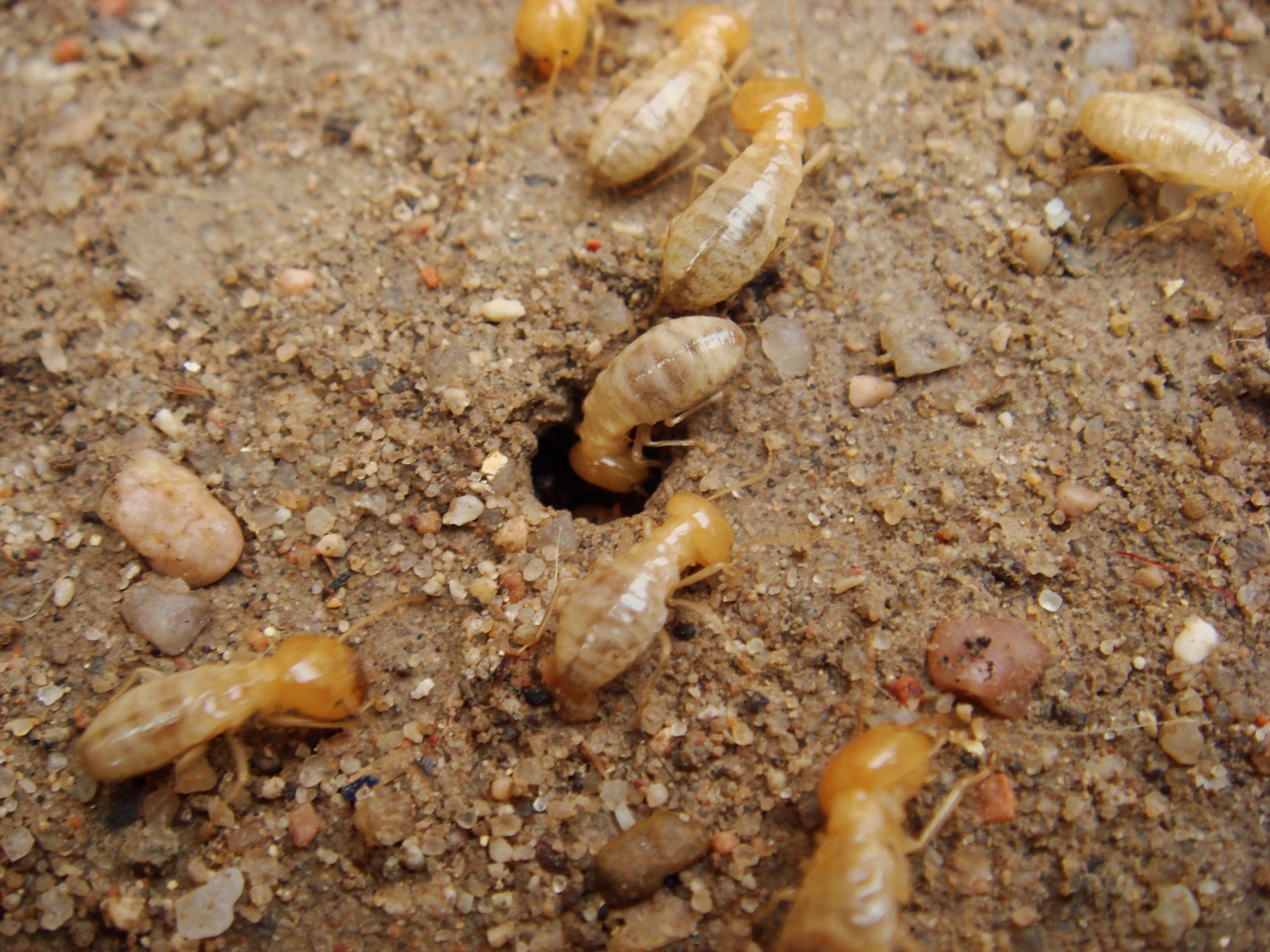
Effective termite baiting depends on more than placing stations at regular intervals around a building. For property owners researching Sentricon termite protection in Vancouver WA, soil composition, moisture movement, foundation obstacles, and previous pest treatments can all influence where stations are positioned and how they are monitored.
Sentricon in Vancouver WA, services require site-specific consideration because subterranean termites travel through soil in search of suitable food sources, and their movement can vary within a single property.
Appropriate placement helps make stations accessible to foraging termites. It supports an ongoing monitoring plan, although no placement strategy guarantees that termites will encounter bait immediately or that every colony will be eliminated.
Why Soil Structure Changes Where Stations Can Be Installed
Soil texture affects how water drains, how easily the ground can be excavated, and how accessible the soil is around a foundation. Sandy soil generally drains more quickly than clay-rich soil, while compacted or rocky ground can make installation more difficult. Loamy soil contains varying proportions of sand, silt, and clay, so its drainage characteristics depend on its composition and structure. These differences influence the practical installation options available to a termite professional. Still, soil type alone cannot establish whether a subterranean termite colony is present or where its activity will occur.
Foundations also create physical limits. Concrete paths, patios, retaining walls, and paved driveways can interrupt access to the soil immediately beside a building. Where exposed soil is available, a technician can assess suitable station locations around the foundation perimeter. Where access is restricted, the placement plan may need to account for nearby soil areas and other accessible routes without assuming that a station installed on the opposite side of an obstacle will automatically intercept termite activity.
The objective is to establish useful monitoring coverage while following the termite product’s approved directions. Sentricon product directions describe installing stations in the soil around the foundation perimeter, with spacing and placement adjusted based on site conditions and potential termite activity. Property owners should not interpret a standard spacing recommendation as a universal layout for every building, particularly where rocky ground, extensive hardscaping, or unusual foundation designs limit access.
How Station Design and Baiting Work Together
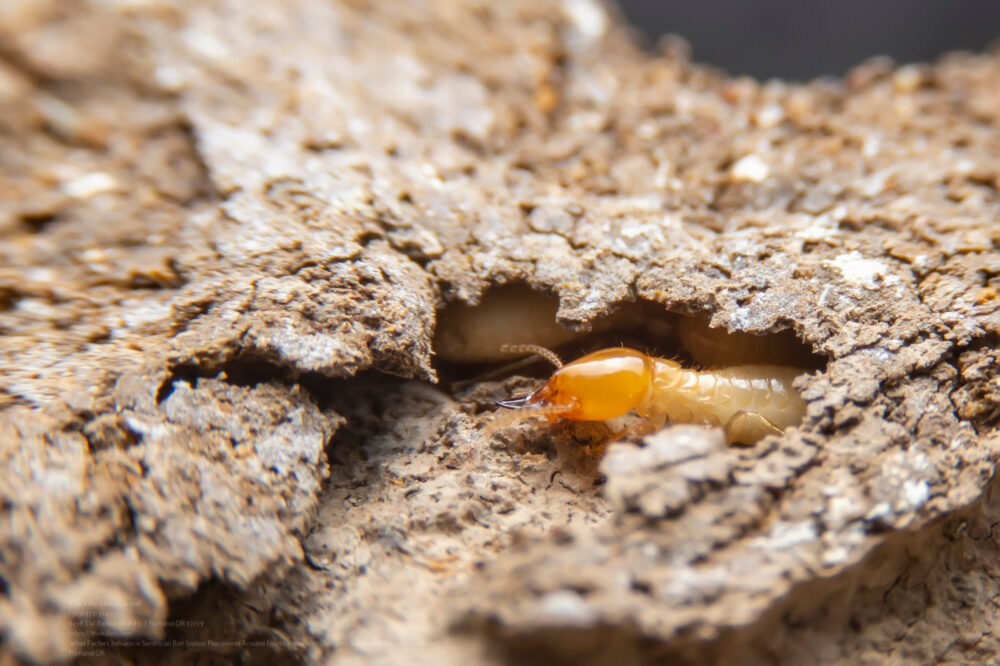
Sentricon is a termite baiting system, not simply a chemical barrier placed around a building. Stations are installed in suitable soil locations where foraging termites may encounter the monitoring material. When termite activity is detected, the system’s designated bait is used according to its label and service instructions. Worker termites can feed on bait and share food with other colony members, allowing the active ingredient to affect the colony over time. The goal is complete elimination of the termite colony, but the result depends on factors such as termite activity, feeding, proper product use, and follow-up monitoring.
The station body and its contents must remain in appropriate condition for this process to work. Depending on the product configuration, technicians inspect monitoring devices or bait and replace materials when indicated by the product directions. References to replacement wood strips, wood detectors, or an inch of bait attached may relate to particular components or procedures, not to every Sentricon station.
Sentricon is associated with Corteva Agriscience, and the U.S. Environmental Protection Agency‘s 2000 Presidential Green Chemistry Challenge Award recognizes the Sentricon Termite Colony Elimination System for its targeted baiting approach. That recognition provides historical context for the system’s development, but it is not a guarantee of a particular outcome at an individual property. Responsible chemistry also depends on using a registered termite control product according to its label and avoiding unsupported claims that any product is risk-free.
A non-repellent liquid treatment and a baiting system work differently, so they should not be treated as interchangeable products. A termite professional can explain whether a baiting approach is appropriate for the property’s conditions and whether previous treatments affect installation options. An above-ground non-repellent bait may be considered in certain systems when termite activity is confirmed in an accessible location. Still, its suitability depends on the specific product and label.
Need help protecting your property from termites?
Contact The Killers Pest Control to discuss Sentricon options for your home or commercial building.
How Moisture Patterns Influence Placement Around Foundations
Moisture is one of the site conditions considered when selecting station locations. Shaded soil, irrigation sprinkler heads, roof downspouts, planting beds, and areas affected by plumbing leaks can create conditions that encourage subterranean termites to forage. Sentricon installation directions identify these areas as potential placement considerations because termites need moisture to survive and may travel through soil where conditions support their activity.
Drainage problems deserve particular attention because they can persist even when the surface looks relatively dry. Water discharged beside the foundation, a leaking outdoor tap, or a poorly directed water hose can repeatedly wet the same section of soil. Excess moisture may also contribute to wood decay and other conditions that need correction independently of termite treatment.
The aim is not to make every station sit in the wettest available spot. Waterlogged ground can create practical installation and maintenance concerns, while constantly disturbed soil may discourage termites from continuing to forage through a station. A termite professional considers moisture patterns alongside access, visible signs of termites, and the manufacturer’s instructions. This balanced approach helps distinguish a useful monitoring location from an area that is simply wet.
What Landscaping and Previous Treatments Can Change
Landscaping can create both useful placement opportunities and physical barriers. Planting beds, trees, buried roots, wood debris, and old stumps may provide routes or food sources for termites, while dense plantings can make station access difficult during service visits. A station should not obstruct mowing, gardening, irrigation, or routine property maintenance. Its cover also needs to remain identifiable and accessible so that a technician can inspect the entire station and check its contents when required.
Previous pest treatments are another major consideration. Sentricon directions state that stations should not be installed in soil previously treated with a liquid termiticide. The location and history of earlier liquid treatments therefore matter when planning a baiting system. Property owners should share available treatment records and identify where perimeter applications, lawn pesticides, or construction-related treatments may have occurred. A technician can then determine suitable locations based on the product label, rather than installing a station in a chemically treated area without considering the consequences.
Property owners should also mention recent digging, irrigation work, foundation repairs, or landscaping changes. These details can help a termite professional understand why a station is missing, damaged, inaccessible, or no longer positioned appropriately. Small sugar ants or other insects around a station do not, by themselves, confirm subterranean termite activity; the station must be checked for the specific evidence used by the system’s monitoring process.
What Complex Foundations Require from a Placement Plan
Commercial buildings and homes with additions, crawl spaces, attached garages, porches, or multiple foundation levels may not have a simple perimeter for station installation. A concrete slab can meet a raised foundation, while paved walkways or retaining walls may restrict access to soil in key areas. The placement plan needs to account for these differences rather than assuming that a uniform pattern will provide complete coverage.
Underground utilities also need to be considered before digging. Irrigation lines, electrical conduits, and buried pipes can limit where a station can safely be installed. Property owners should share site plans or information about known utility routes when available, particularly after renovations or additions. If concrete drilling or other specialized access methods are being considered, the work requires appropriate assessment and precautions rather than improvised excavation.
The same care applies to valuable properties, including commercial buildings and historic structures that owners may regard as national treasures. Protecting the biggest asset or biggest investment requires a placement plan that respects the building’s construction and maintenance needs while addressing termite risk. No single station arrangement is ideal for every property, and no layout can promise continuous protection without correct installation, monitoring, and attention to changing site conditions.
Why Monitoring Matters After Installation
Station placement is only one part of an ongoing service plan. Certified Sentricon specialists can assess monitoring results, determine whether termites are feeding, and service the system in accordance with the product instructions. A station that has not shown activity during one visit does not automatically prove that a current colony is absent. Termite foraging patterns change, and the time required for termites to encounter bait can vary with soil, construction, and access conditions.
Property owners can support monitoring by keeping station locations accessible and reporting disturbances. A station covered by new mulch, buried during gardening, struck by a lawn tool, or flooded by a misdirected water hose may become difficult to inspect or function as intended. Owners should avoid moving stations or opening them to check for termites themselves. If a station body is damaged or missing, the service provider should be notified so its condition and placement can be reviewed.
The signs of termites inside a building also deserve attention, even when stations are already installed. Mud tubes, damaged or hollow-sounding wood, discarded wings, or other suspected evidence should be reported for assessment. Termite baiting aims to reduce the risk of future infestations and help manage existing activity, but it does not repair structural damage or correct every condition that attracts termites. Any wood damage or persistent moisture issue may require separate repairs.
For homeowners and commercial property managers, peace of mind comes from understanding where the system is installed, what the monitoring visits assess, and which property conditions still need attention. Sentricon service in Vancouver WA, should be tailored to the actual foundation, soil access, moisture patterns, and treatment history rather than relying on a standard layout alone. The Killers Pest Control provides pest control services in Vancouver WA, and property owners can contact the company to discuss termite concerns and the options available for their building.
Need help protecting your property from termites?
Contact The Killers Pest Control to discuss Sentricon options for your home or commercial building.