How Targeted Baiting Works With Termite Behavior to Protect a Property
Termites can damage wood long before a homeowner notices a problem, making a reliable prevention strategy essential. Sentricon in Newport OR, offers property owners an option that targets subterranean termite colonies through carefully placed bait stations rather than relying solely on widespread soil treatments.
Sentricon works by exploiting how subterranean termites search for food and share resources within a colony. Worker termites discover bait in designated stations and carry it back to other colony members. The bait’s active ingredient disrupts normal molting, gradually weakening the colony.
The central idea is simple: effective termite control doesn’t always require treating every part of the surrounding soil. By understanding termite foraging patterns, colony organization, and feeding behavior, a targeted baiting system can help eliminate an active colony and provide continuing protection against future termite attacks.
Why Termite Colonies Can Be Difficult to Control
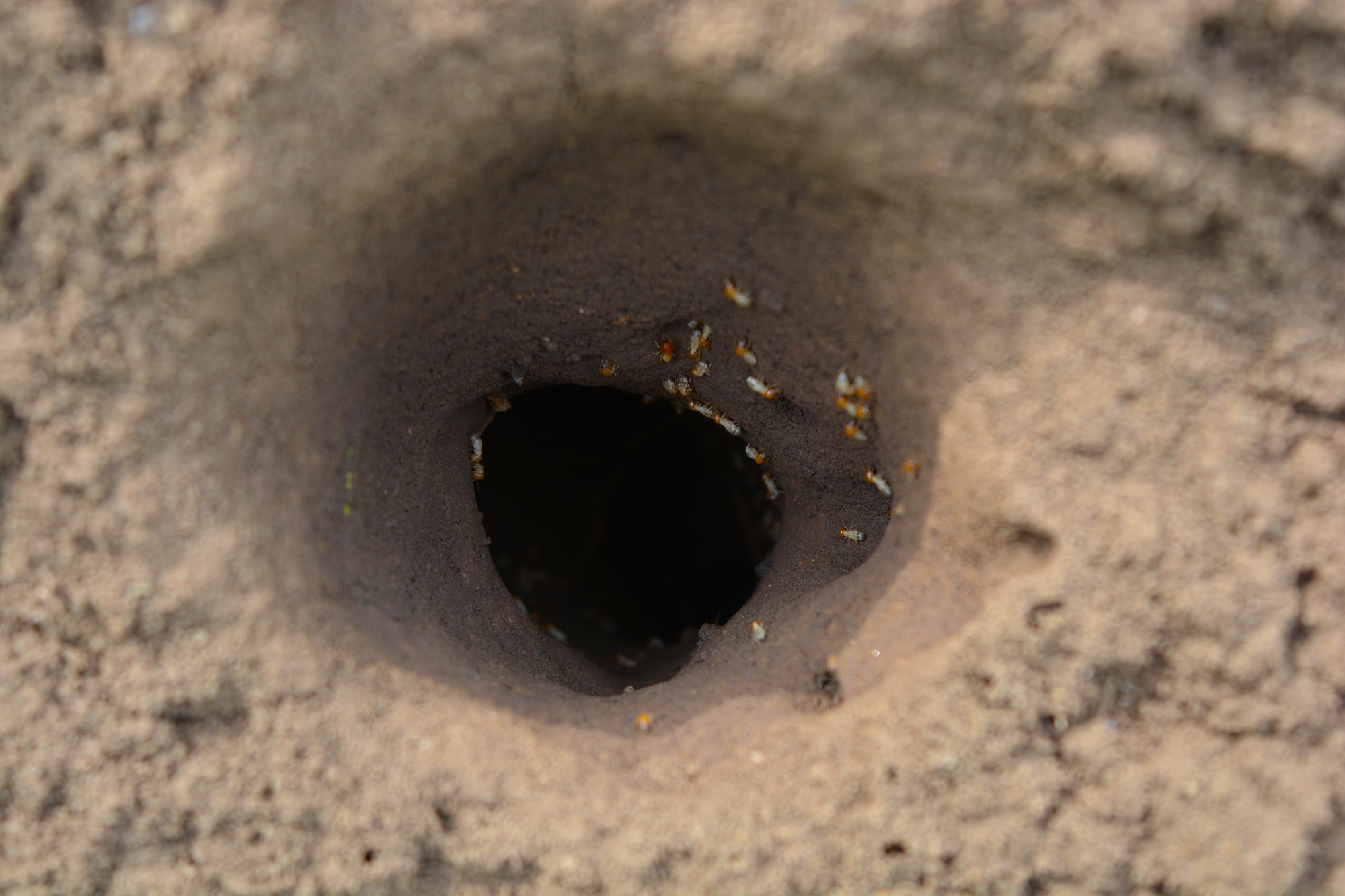
Subterranean termites operate as organized colonies, with workers searching for cellulose-rich food sources such as wood, paper, and other plant-based materials. They travel through soil and protected tunnels to reach food, often remaining hidden behind walls, beneath floors, or around foundations. A homeowner might see damaged wood or mud tubes without knowing how many termites are present or where their colony is located.
The colony’s social structure plays a major role in treatment effectiveness. Worker termites collect food and distribute it to other members, including reproductive individuals. This food-sharing behavior creates an opportunity for baiting systems to deliver an active ingredient to insects beyond those that initially encounter it.
Why can’t a treatment simply kill the termites visible in a damaged area? Because visible workers may represent only a small part of a larger colony. If other workers continue foraging or the colony remains active elsewhere, the property may still face termite pressure. A successful strategy, therefore, considers colony behavior and ongoing monitoring, not just the immediate disappearance of visible insects.
Newport’s coastal setting also makes moisture management relevant to building maintenance. Damp soil, wood-to-ground contact, and persistent moisture around structures can create favorable conditions for certain wood-damaging pests. However, subterranean termite activity varies by property, so local climate alone cannot confirm an infestation or determine the best treatment.
How Sentricon Uses Bait to Reach More Than the Termites at the Station
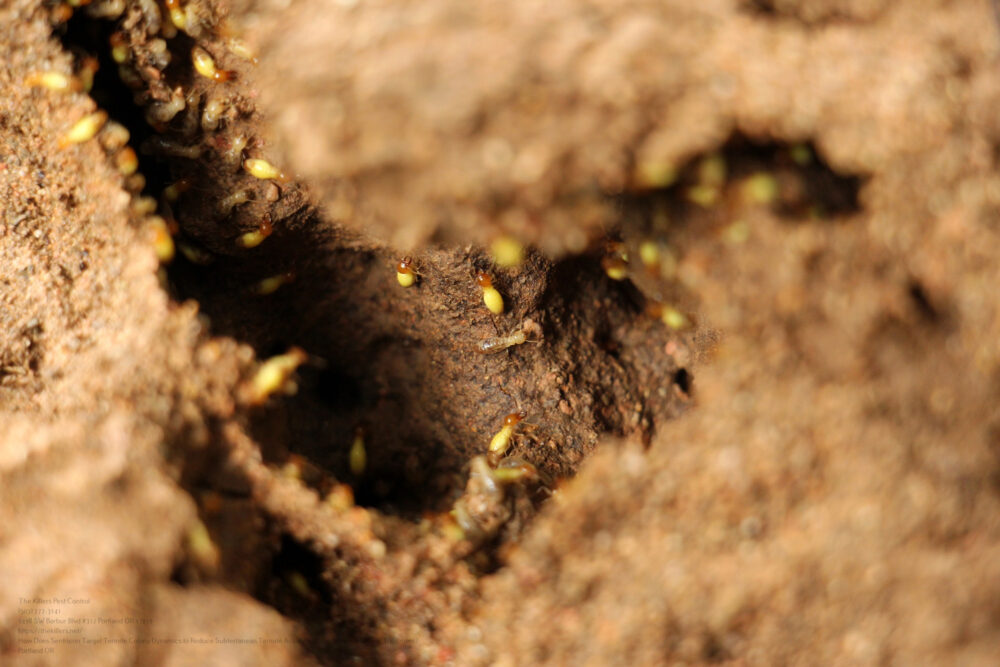
Sentricon is a termite baiting system designed to exploit the natural feeding habits of subterranean termites. With technology, bait is placed in the stations during installation, so it is available when foraging termites encounter it. This differs from systems that wait until termite activity is detected before adding bait.
Worker termites feed on the bait and share food with other colony members. The active ingredient interferes with the molting process, which termites need to grow and develop. Because the effects spread through the colony’s feeding network over time, the system can affect more than the individual insects that first find the bait. The objective is to eliminate the colony that threatens the property, although results depend on termite activity, station access, and conditions around the structure.
The approach has received recognition beyond the pest management industry. The U.S. Environmental Protection Agency named the Sentricon Termite Colony Elimination System a recipient of its 2000 Presidential Green Chemistry Challenge Award. The EPA’s explanation highlights targeted bait delivery and reduced reliance on widespread pesticide applications in soil. Its overview of the Sentricon award and technology provides background on why targeted termite control became an important alternative.
That distinction matters for property owners who want to understand what a baiting system actually does. Sentricon doesn’t simply create a wall of chemical protection around a building. It uses termite foraging behavior to deliver bait to a colony, while monitoring helps assess whether the system is encountering activity and remains appropriately maintained.
Need help protecting your property from termites?
Contact The Killers Pest Control to discuss Sentricon options for your home or commercial building.
Why Targeted Baiting Can Reduce the Need for Widespread Soil Treatment
Traditional liquid termite treatments generally work by applying a termiticide to soil to create a treated zone around or beneath parts of a structure. Depending on the building, product label, and treatment plan, the application may involve trenching, drilling, or other methods to reach the relevant areas. Liquid treatment can be appropriate in many circumstances, but establishing a continuous treated zone can be challenging around foundations, additions, utility penetrations, and other structural features.
Sentricon takes a different approach by placing bait stations at selected points around a property. Termites must encounter and feed on the bait for the colony-elimination process to proceed. This targeted delivery can reduce the need for broad soil applications associated with some conventional methods, though it doesn’t mean that every property will be suitable for baiting alone.
The difference is especially relevant when homeowners are comparing termite control options. A property with difficult access around its foundation may present challenges for certain liquid applications, while a baiting plan may offer a practical alternative. In other cases, the extent of an active infestation, building design, or local conditions may lead a professional to recommend a different approach or a combination of methods.
No termite product should be described as a universal solution. Sentricon is intended for subterranean termites, and a qualified termite professional should determine whether the signs, site conditions, and treatment goals support its use. Drywood termites, for example, have different habits and may require a different management strategy.
What Monitoring Reveals After the Stations Are Installed
Installation is only the beginning of a termite baiting program. Monitoring allows a professional to check stations, assess termite activity, and determine whether the baiting system needs servicing. Without continued attention, a homeowner may not know whether a station has been disturbed, damaged, or affected by changing conditions around the property.
The process also helps distinguish active termite pressure from assumptions based on old damage. A previous mud tube or a section of damaged wood doesn’t necessarily prove that termites are still feeding in the same location. Monitoring provides additional information that can guide decisions about continued protection, further investigation, or other treatment measures.
For property owners considering Sentricon in Newport OR, it helps to ask what routine service includes and how findings will be communicated. Will the professional check station condition and bait availability? How will signs of termite activity be documented? What happens if termites are found in a location that the existing station layout doesn’t adequately address? Clear answers help homeowners understand the purpose of ongoing service rather than treating installation as a one-time event.
How Homeowners Can Judge a Termite Protection Plan
The most useful measure of a termite control plan isn’t how much pesticide is applied. It’s whether the approach matches the pest, addresses the property’s risk, and includes a clear method for checking results over time. Homeowners should understand which termite species are suspected, why the selected treatment is appropriate, and what ongoing monitoring will involve.
It’s also worth separating colony elimination from permanent immunity. Even after a colony has been eliminated, other subterranean termites can later forage into the area. A continuing baiting program is intended to provide ongoing protection, but no system can guarantee that a property will never experience termite activity or damage.
For that reason, a good conversation with The Killers Pest Control should cover both immediate concerns and future monitoring needs. Homeowners can ask how suspected activity will be verified, how stations will be maintained, and when a different or additional treatment might be considered. The answers should be specific to the property rather than based on a blanket promise.
Why Sentricon in Newport OR Fits a Targeted Approach to Termite Control
Sentricon uses termite behavior as part of the control strategy: foraging workers find bait, share it with colony members, and carry the active ingredient through the colony’s feeding network. Station placement and continued monitoring help keep the program focused, while moisture management and sensible maintenance reduce conditions that can make a property more vulnerable.
The system can be an alternative to widespread soil treatment for suitable subterranean termite situations, but the right choice depends on the infestation, structure, and site conditions. Understanding these factors helps homeowners compare options without assuming that one treatment method fits every building.
A Smarter Termite Protection Decision With the Killers Pest Control
The Killers Pest Control provides a local point of contact for homeowners exploring Sentricon and targeted subterranean termite protection. A property-specific discussion can help clarify whether baiting is suitable, what the installation and monitoring process involves, and whether any other termite management steps may be needed.
For owners protecting a home or commercial building, the goal goes beyond responding to visible termite signs. It is choosing a practical strategy that considers colony behavior, limits unnecessary treatment where appropriate, and supports continued attention to the property. Contact The Killers Pest Control to discuss Sentricon options and determine whether Sentricon in Newport OR is a suitable approach for the property’s termite protection needs.
Need help protecting your property from termites?
Contact The Killers Pest Control to discuss Sentricon options for your home or commercial building.