
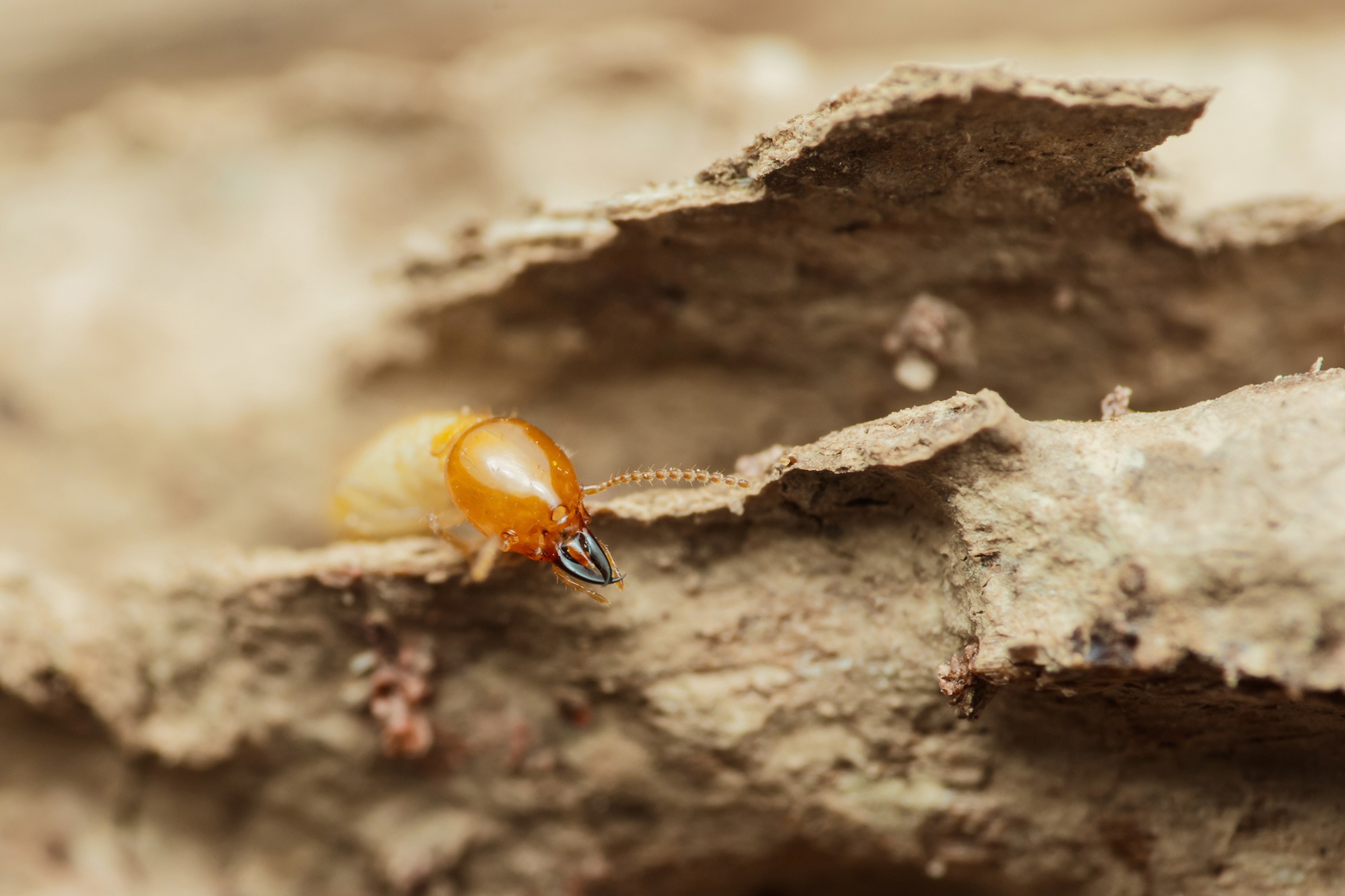
Why Finding the Station First Can Make All the Difference
A termite bait station can be placed in exactly the right-looking spot and remain untouched for a while. That doesn’t necessarily mean the system has failed. Subterranean termites don’t move through the soil in a straight line, and several colonies, food sources, moisture conditions, and underground pathways can compete for their attention.
For homeowners considering termite baiting in Salem OR, understanding those foraging competition factors makes the monitoring process much easier to understand. Station discovery rates during termite baiting depend on termite foraging patterns, colony size, competing cellulose food sources, soil moisture, temperature, station placement and the presence of nearby colonies.
The presence of nearby colonies. A careful inspection and ongoing monitoring help pest professionals place stations where subterranean termites are most likely to encounter them.
Why Termite Baiting Requires More Than a One-Time Visit
Successful baiting isn’t just about putting Toxicant Bait Stations into the ground and walking away. The real value comes from monitoring, inspection, and adjusting the program when termite activity changes. The U.S. Environmental Protection Agency explains that termite baits use cellulose materials containing slow-acting active ingredients and are one recognized treatment option alongside approaches such as soil-applied termiticides.
That slow approach is important. The goal isn’t simply to affect the first worker termite that enters a station. Bait systems are designed around normal feeding and colony activity, which can allow active ingredients to move through the colony over time. Discovery rates therefore matter because a station can’t contribute to a program until termites encounter and feed within it.
For a Salem property, termite baiting in Salem OR can be part of a broader termite protection strategy that accounts for site-specific conditions. The Killers Pest Control can evaluate the inspection process, visible signs of termites, likely access routes, and conditions that support a pest infestation. This kind of pest management takes patience, but it can prevent homeowners from making the costly assumption that an untouched station automatically means there are no termites nearby.
The Hidden Competition Beneath a Salem Property
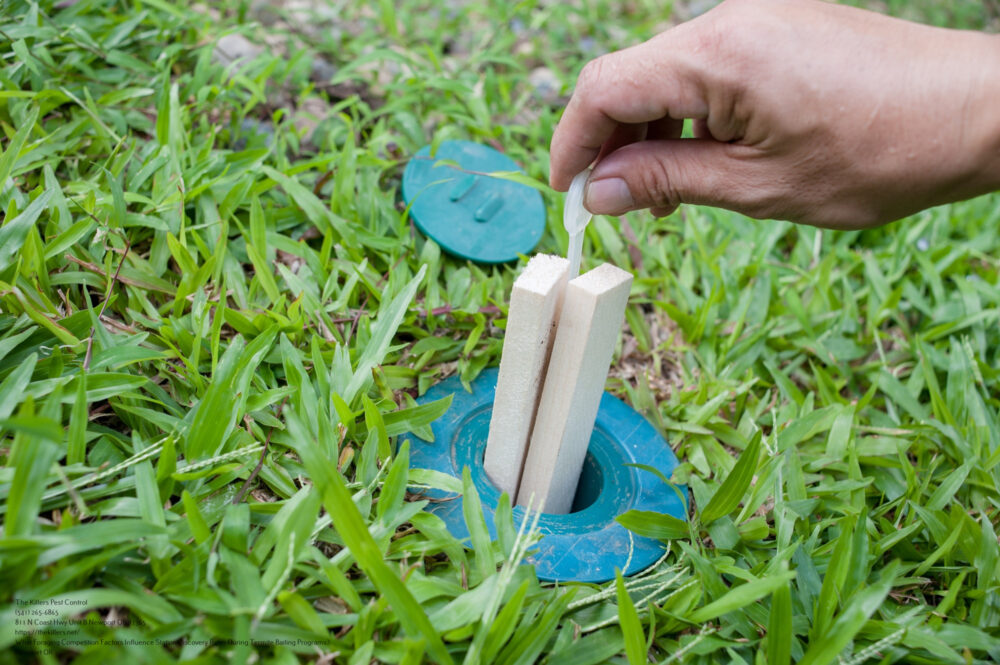
Termites live in a world most homeowners never see. A subterranean termite colony may spread its worker caste through a network of underground routes, with feeding activity shifting as conditions and available cellulose materials change. Wood in soil contact, buried roots, old lumber, mulch, and moisture-damaged building materials can all become competing food sources. That means bait stations aren’t competing only with one termite colony’s hunger. They’re competing with the entire underground environment.
This is why a termite problem can remain active even when not every station immediately shows activity. What factors help termites find bait stations? Their internal structure, foraging territory, environmental conditions, and access to food all play a role. Worker termites may build mud tunnels toward a structure while other workers explore entirely different directions. A reproductive caste and warrior caste depend on those workers, so changes in where the colony feeds can affect where activity appears.
Salem’s wet seasons and changing soil conditions can further influence movement. Oregon State University notes that subterranean termites in Oregon typically nest in soil and that moisture conditions can be important to infestation risk. Its guidance also emphasizes inspection, correction of conducive conditions, and integrated pest management approaches that may include bait systems or chemical barriers.
Do You Need Expert Termite Baiting for Your Property?
Contact The Killers Pest Control today for professional help and reliable answers.
What Professionals Look for Before Placing a Station
A strong treatment plan starts with information rather than a preset pattern. Pest control professionals examine the property for moisture, wood-to-soil contact, mud tunnels, cracks around construction features, and evidence of feeding activity. They also consider where termites may travel without being visible. A station placed near probable foraging zones is more likely to be encountered than one placed solely to create a neat line around a home.
The process usually comes down to three connected priorities: identifying conducive conditions, placing professional baiting systems where termite activity is likely, and returning often enough to respond when the situation changes. Local weather matters too. Soil moisture and temperature can influence subterranean termite movement, so discovery patterns may not look identical throughout the year. An inspection-based program can adapt rather than assuming one schedule fits every property.
The EPA also advises that termite treatment should be performed properly by trained pest management professionals, noting that approved approaches include termite baits and liquid soil-applied termiticides. That matters when homeowners are weighing bait stations against chemical barriers or considering a soil-applied liquid termiticide. The right choice depends on the structure, evidence of activity, treatment goals, and professional findings.
The Key Takeaways Homeowners Should Remember
Station discovery is influenced by competition. Nearby food, colony territory, soil conditions, moisture, seasonal changes, station placement, and underground travel routes can all affect when worker termites encounter a bait matrix. Because those factors overlap, there isn’t a responsible one-size-fits-all timeline for every termite treatment program.
Homeowners should also remember that signs such as mud tubes, reproductive swarmers, discarded wings, hollow-sounding wood, and suspected structural damage deserve professional evaluation. Not every insect with wings is a termite, and not every damaged board proves an active colony. Drywood termites are often discussed in general termite information. Still, Oregon State University notes that Oregon has subterranean termites rather than drywood termites, making local identification and site knowledge particularly important.
The strongest strategy combines careful home inspections, targeted bait stations, ongoing pest management, moisture awareness, and practical prevention. That keeps the focus where it belongs: on understanding the property and the pest, rather than chasing a quick answer.
Why Choosing The Killers Pest Control is the Smart Way Forward
We at The Killers Pest Control provide the best solutions for our customers by looking beyond the surface of termite problems. We understand that station discovery rates can be influenced by competing food sources, changing foraging routes, moisture, soil conditions, and the hidden behavior of an active termite colony. That is why we focus on careful evaluation, practical termite protection, and solutions tailored to the conditions at each property.
We showcase our excellent termite control services by paying close attention to likely termite pathways, visible warning signs, and property conditions that may encourage future activity. We also provide professional guidance to help homeowners understand their pest control needs without relying on assumptions about how quickly a bait station should show activity.
If mud tunnels, discarded wings, or other warning signs have raised concerns, we’re ready to help evaluate the situation and recommend a sensible treatment plan. Contact The Killers Pest Control for expert termite control and reliable guidance for protecting your Salem property. For careful monitoring, strategic placement, and long-term colony management, choose termite baiting in Salem OR.
Do You Need Expert Termite Baiting for Your Property?
Contact The Killers Pest Control today for professional help and reliable answers.