Removing the Bees is Only Half the Job When the Scent of the Colony Remains Behind
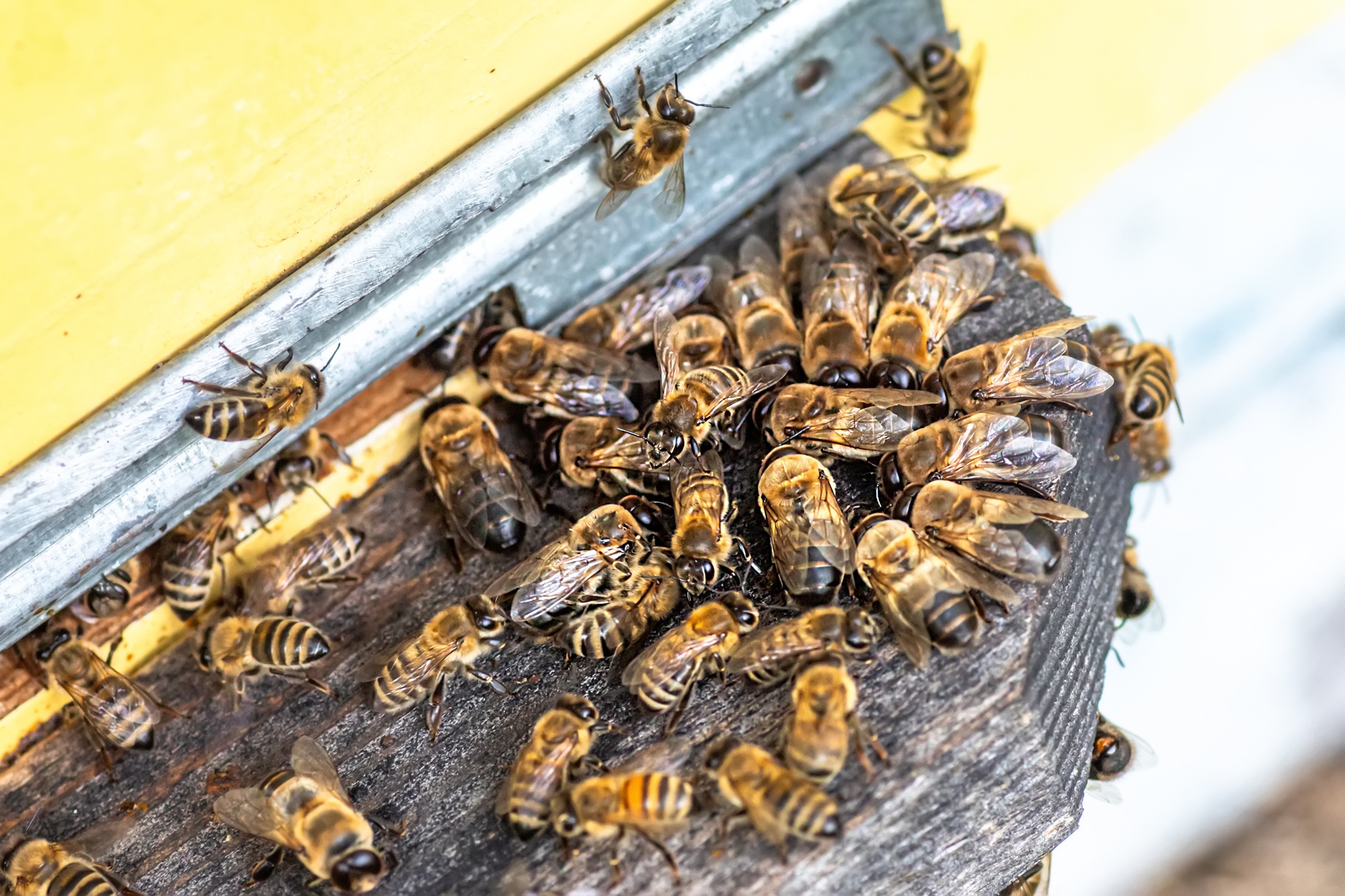
A bee colony can leave a structure while the signals that made the space attractive remain behind. That’s why effective bee removal in Portland OR involves more than taking bees away from a wall, attic, or other hidden cavity. Remaining comb, wax, honey, scent residues, and accessible entry points can all contribute to future bee-related issues if they aren’t properly addressed.
Bee removal should address residual colony odors, pheromone-related scent cues, wax and comb, honey, nesting conditions, and structural entry points. Removing these factors reduces the likelihood that future swarms or insects will find the same cavity attractive and establish another colony.
Honey bees depend heavily on chemical communication. Research has shown that Nasonov pheromone can help attract reproductive swarms to potential nest cavities, which helps explain why scent management matters when a former colony site is being restored. A hidden nest location may look empty to a homeowner, yet the story can be quite different from a bee’s perspective.
Why Old Colony Scents Can Make an Empty Space Feel Familiar
Pheromones aren’t simply mysterious chemicals floating around without purpose. Honey bees use chemical signals for orientation, aggregation, recognition, and coordination, while the materials inside a hive can also retain important colony-associated cues. Wax, for example, plays a role in the development of recognition cues within honey bee colonies, meaning old comb shouldn’t be treated as ordinary debris after honey bee removal.
What happens if bees are removed but comb structures remain? The cavity may still contain wax, honey residue, scent traces, and the physical conditions that previously supported a thriving colony. In Portland, OR, where older homes and varied building styles can contain difficult-to-access voids, that combination can turn a one-time structural infestation into a recurring concern.
The issue also extends beyond honey bees. Yellow Jackets, Paper Wasps, Mud Wasps, and Bald Face Hornets can occupy different kinds of nesting sites, and each requires appropriate removal techniques. A professional company shouldn’t assume that every buzzing insect around a structure presents the same problem. Correct identification shapes the treatment plan, the removal approach, and the subsequent preventive guidance.
Five Cleanup Mistakes that Can Invite Another Colony Back
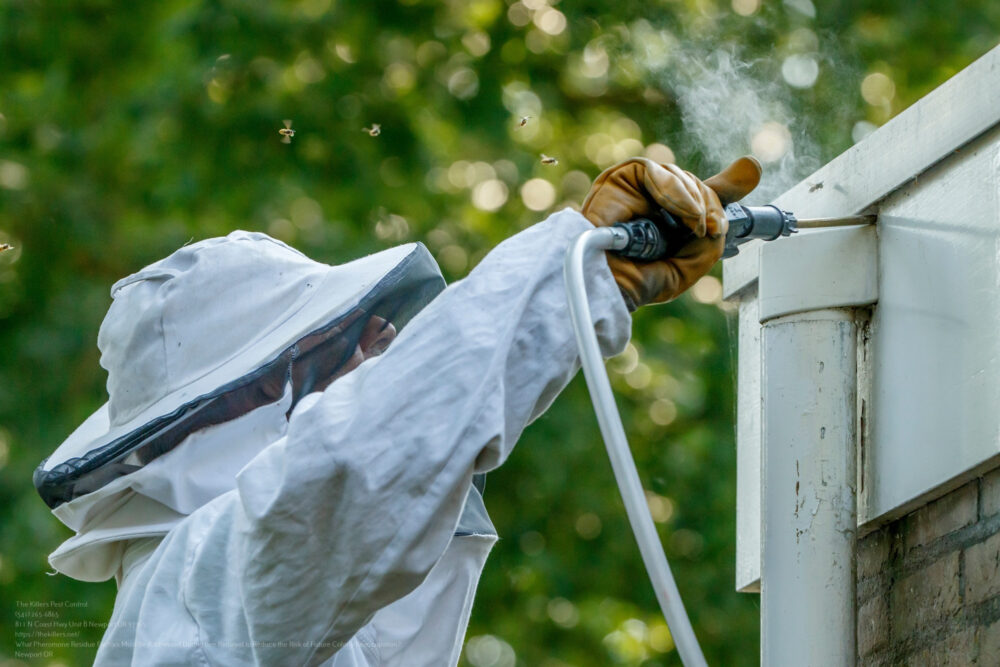
- The first common mistake is removing visible bees while leaving comb behind. Comb structures can retain honey, wax, and other materials that make cleanup more complicated, particularly when they sit inside a wall for an extended period.
- The second is overlooking the nest location itself. A cavity that remains open through the same entry points that allowed the original colony inside is still available to future insects.
- The third mistake is ignoring honey and other food residues. These materials may create additional sanitation concerns and can attract other unwanted insects after the bees are gone.
- The fourth is sealing a structure without first confirming that the colony has actually been removed and that the interior space has been appropriately addressed.
- The fifth is using broad extermination treatments without considering honey bee health, pollinator health, or whether removal and exclusion would better fit the situation.
The Killers Pest Control helps homeowners look beyond the immediate swarm. Its bee removal services focus on the full picture: identifying the active issue, considering the hidden cavity, addressing conditions that support reoccupation, and providing practical preventive guidance. Good customer service matters here because homeowners often have questions about bee swarms, a honey bee swarm near the house, and whether a rescue request or professional bee control is the appropriate next step.
For readers interested in the science behind colony scenting and chemical communication, the National Center for Biotechnology Information’s overview of chemical communication in honey bee societies provides useful background on how pheromones influence colony organization and behavior.
Do You Want Professional Bee Removal?
Contact The Killers Pest Control today for friendly, reliable help with your bee-related concerns.
How Bee Removal in Portland OR Protects More Than the Visible Nest
The benefit of thorough cleanup is simple: it reduces the number of reasons another colony might find the same area useful. A proper approach can also help protect building materials when honey or old hive structure could otherwise remain hidden inside. Structural damage doesn’t always develop overnight, but leaving a cavity filled with biological material can create problems that quietly grow.
This is especially important across Portland Metro and nearby communities in the Willamette Valley, where properties range from dense urban buildings near the Pearl District to older homes and more open residential areas in Washington County, Forest Grove, and Gales Creek. A nesting site that is easy to overlook in one property may be highly visible in another. Every structure has its own airflow, construction details, and potential access points.
The Killers Pest Control approaches bee removal in Portland OR with that structural context in mind. Rather than treating every situation as identical, the goal is to understand where bees entered, what materials remain, and what conditions could support another colony. This approach also aligns with the broader principles of responsible pest management: identify the source, choose an appropriate response, and reduce conditions that allow the problem to recur.
When Pollinator Protection and Property Protection Work Together
Some homeowners worry that calling pest control companies automatically means unnecessary chemical exposure. That’s not a useful assumption. Professional bee control begins with identifying the insect and evaluating the situation. Honey bees are important pollinators, whereas a yellow jacket nest, for example, presents distinct behavioral and safety concerns. The right response should reflect the species, location, risk, and available removal techniques.
Resources such as EPA’s Pollinator Protection Guide reinforce the importance of reducing unnecessary risks to pollinators. At the same time, a colony established inside a structure can create legitimate property concerns that shouldn’t be ignored. The balance comes from careful identification, targeted action, and prevention rather than automatically applying the same treatment everywhere.
The Killers Pest Control can also help homeowners understand when a bee swarm may be better suited for swarm removal or coordination with appropriate honeybee services and when a structural infestation requires professional intervention. That distinction supports both property protection and pollinator health. It also keeps the conversation practical instead of treating every flying insect as either harmless or dangerous.
Why Choosing The Killers Pest Control is the Smart Way to Prevent Reoccupation
We at The Killers Pest Control provide the best solutions for our customers by looking beyond immediate bee activity and addressing conditions that can contribute to future problems. We understand that successful removal may involve more than the visible swarm, which is why we consider nest location, accessible comb and residue, entry points, and preventive guidance as part of a thoughtful approach.
We proudly showcase our excellent bee removal services by helping customers address structural bee-related issues with careful assessment and practical solutions. We also provide attentive customer service and clear recommendations so that homeowners understand what happened and how to prevent the same problem from recurring.
Contact The Killers Pest Control for professional bee removal and practical prevention support. For a smarter approach to colony cleanup, structural protection, and reducing future reoccupation risks, choose The Killers Pest Control for dependable bee removal in Portland OR.
Do You Want Professional Bee Removal?
Contact The Killers Pest Control today for friendly, reliable help with your bee-related concerns.