
When the Walls Start Humming, the Real Clues May Be Hidden from Sight
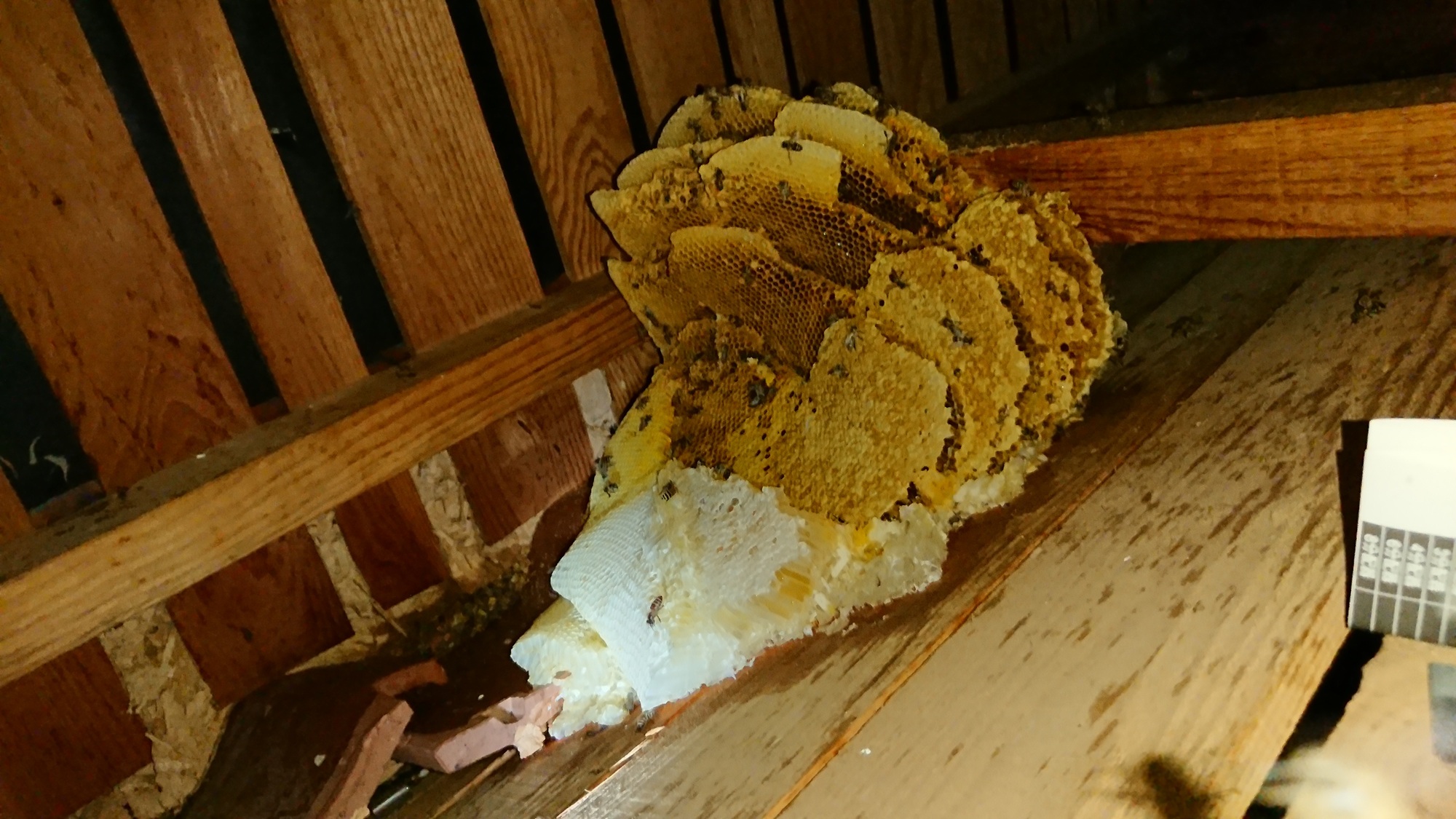
A bee colony inside a wall can be surprisingly difficult to locate. Homeowners may hear faint buzzing, notice a few honey bees entering a gap, or suddenly see swarms of bees near the roofline, yet the actual nesting site remains completely hidden.
Professional bee removal in Portland OR can use visible activity, structural clues, and an understanding of colony thermoregulation patterns to narrow down where bees may be living inside structural voids. Bee removal professionals can study bee movement, entry points, heat-related colony behavior, and structural conditions to help identify hidden nest locations.
Because honey bee colonies actively regulate conditions around their brood, patterns in activity and ventilation can provide useful clues when locating a concealed hive without unnecessarily opening large areas of a structure.
Why Hidden Colonies Create More Than a Simple Bee-Related Issue
Honey bees are valuable pollinators, but a structural infestation creates a different situation from that of a colony living safely in a tree or in a managed hive. When bees establish themselves inside walls, ceilings, chimneys, or other enclosed spaces, the hive and comb structures can continue to grow in areas that are difficult to inspect. What starts as a few visible workers can eventually involve stored honey, wax, brood, and a much larger colony.
A common People Also Ask question is, “How do professionals find bees inside a wall?” The answer usually begins with careful observation. Technicians look at entry points, flight patterns, sounds, structural layout, and the conditions surrounding a suspected nesting site. Honey bees regulate conditions within the colony, especially around developing brood, so changes in airflow and activity can sometimes help professionals understand where the active portion of a hidden colony may be located.
This matters throughout Portland, OR, and the wider Portland Metro area, where older homes, additions, attics, wall cavities, and complex rooflines can create protected spaces for nesting. Properties throughout the Tualatin Valley may also contain mature landscaping and pollinator-friendly trees that support healthy bee activity outdoors while structures still present accidental nesting opportunities. The goal isn’t to treat every bee sighting as a crisis. It is to determine whether the activity involves a passing Honey Bee Swarm, a managed colony, a stinging insect such as Yellow Jackets, Paper Wasps, Mud Wasps, or Bald Face Hornets, or honey bees that have actually established a colony inside the building.
Why Bee Removal in Portland OR Benefits from a More Targeted Investigation
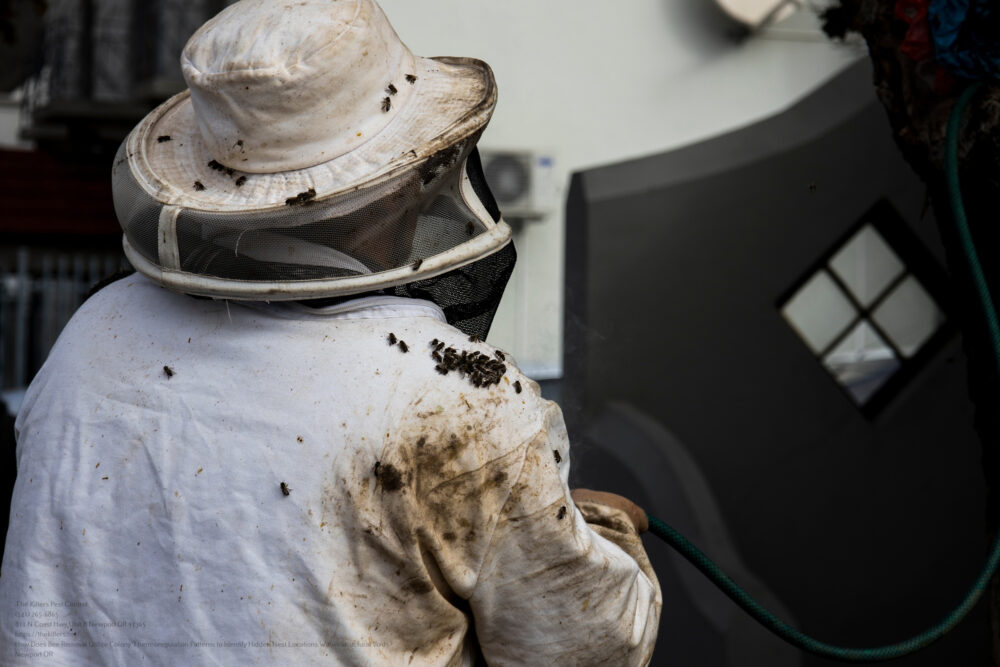
Targeted investigation saves time and reduces unnecessary disturbance to the property. Opening walls based on guesswork can create repair costs without locating the colony, while treating the wrong exterior area may leave the actual nesting site untouched. By studying activity patterns and structural clues, bee removal in Portland OR can focus the inspection where evidence is strongest.
This approach also supports more responsible decisions around pollinator health. The Environmental Protection Agency explains that pollinator protection strategies include best management practices and measures intended to reduce unnecessary pesticide exposure, particularly when bees and other pollinators may be present. Those principles reinforce the value of correctly identifying the insect and choosing a site-specific response rather than applying products broadly without a clear target.
The practical benefit for homeowners is straightforward. Better information leads to better decisions. A professional bee control inspection can help distinguish a temporary swarm from an established colony and identify whether a wall void, soffit, attic connection, chimney area, or another protected cavity deserves closer attention. The Killers Pest Control can then recommend pest-specific solutions based on what the inspection actually reveals.
Do You Need Professional Bee Removal for Your Property?
Contact The Killers Pest Control today for helpful service and a professional solution.
What a Careful Inspection Looks for Before Removal Begins
Effective inspections combine several forms of evidence rather than depending on a single sign. Professionals observe the timing and direction of bee traffic, listen for activity when conditions make sounds easier to detect, inspect likely access areas, and consider how the building’s design may connect one void to another. A queen bee doesn’t announce where the colony is located, after all, so the surrounding evidence matters.
A careful process may involve three connected steps: first, confirming whether the insects are honey bees or another species; second, identifying the most likely entry and exit routes; and third, determining whether the activity indicates a temporary swarm or an established colony. This helps prevent unnecessary damage while giving the technician a clearer picture of the hive’s likely location.
In some cases, homeowners may also explore swarm removal through local beekeeping networks, swarm lists, swarm-reporting resources, or organizations connected with Portland Urban Beekeepers, Master Beekeepers, and the Oregon State Beekeepers Association. A rescue request may be appropriate when you can safely relocate accessible honey bees. However, a colony hidden deep inside a structural void presents a different challenge, and the safest solution depends on access, condition, location, and the specific structure involved.
What Homeowners Should Remember about Hidden Bee Activity
The biggest lesson is that hidden colonies rarely reveal their exact location with a single obvious sign. Bee movement, repeated use of entry points, sounds, ventilation behavior, and structural design all provide pieces of a larger picture. Colony thermoregulation patterns may add useful context, but they work best alongside direct inspection and species identification.
Homeowners should also avoid confusing all flying insects with honey bees. Yellow jacket control, wasp management, and honey bee removal involve different behaviors and risks. Likewise, bee swarm removal isn’t always the same as removing an established colony with extensive comb structures inside a wall. Knowing the difference can prevent the wrong response from creating a bigger problem.
For Portland Metro property owners, the strongest strategy is early evaluation, followed by an evidence-based treatment plan. Professional pest control services should focus on the actual pest, the actual nesting site, and the least disruptive, effective approach. That combination of observation, pest management knowledge, and structural awareness makes hidden colonies easier to investigate and future nesting problems easier to prevent.
Why Choosing The Killers Pest Control is the Smart Choice
We at The Killers Pest Control provide the best solutions to our customers by carefully evaluating hidden bee activity, likely nesting sites, and structural conditions before recommending a response. We understand that effective bee removal isn’t about guessing behind walls. It’s about using visible evidence, professional knowledge, and thoughtful removal techniques to address the real problem.
We proudly showcase excellent bee removal services by helping customers determine whether they are dealing with honey bees, bee swarms, or other stinging insects and by creating solutions suited to their property. We also showcase our commitment to excellent customer service through clear communication, thorough inspections, and preventive guidance to help reduce future bee-related issues.
Contact The Killers Pest Control for professional bee control and practical help with suspected colonies inside your property. For a careful, evidence-based approach to hidden nests and structural bee activity, choose bee removal in Portland OR.
Do You Need Professional Bee Removal for Your Property?
Contact The Killers Pest Control today for helpful service and a professional solution.