Why What Your Home is Built from Determines Where Pests Hide
Pests don’t randomly invade a property; they follow patterns shaped by the building’s materials and structure. From wooden framing to insulation gaps and crawl space moisture, every material creates opportunities for pest harboring zones. That’s why pest control in Salem OR, Professionals don’t just treat infestations; they analyze the structure to predict where pests will go next.
Modern pest control integrates structural materials analysis with pest behavior, allowing technicians to identify hidden risks before infestations spread. Instead of reacting to visible pest issues, this approach prevents them by targeting the conditions that attract pests in the first place.
Pest control uses structural materials analysis to identify moisture zones, entry points, and hidden voids where pests thrive. By understanding how materials like wood, insulation, and foundations influence pest behavior, professionals can predict harboring zones and prevent infestations before they spread.
Common Mistakes that Ignore Structural Risk Factors
Many infestations persist because structural factors are overlooked. Common mistakes include:
- Treating visible pests without addressing hidden entry points
- Ignoring crawl space moisture and insulation gaps
- Failing to inspect foundation cracks or siding transitions
- Using generic treatment methods without analyzing materials
- Overlooking attic and wall void conditions
These oversights allow pest issues to return. The Killers Pest Control avoids these problems by combining pest inspections with structural analysis, ensuring treatment reaches the source, not just the symptoms.
How Building Materials Influence Pest Behavior and Movement
People also ask: Where do pests hide inside a house?
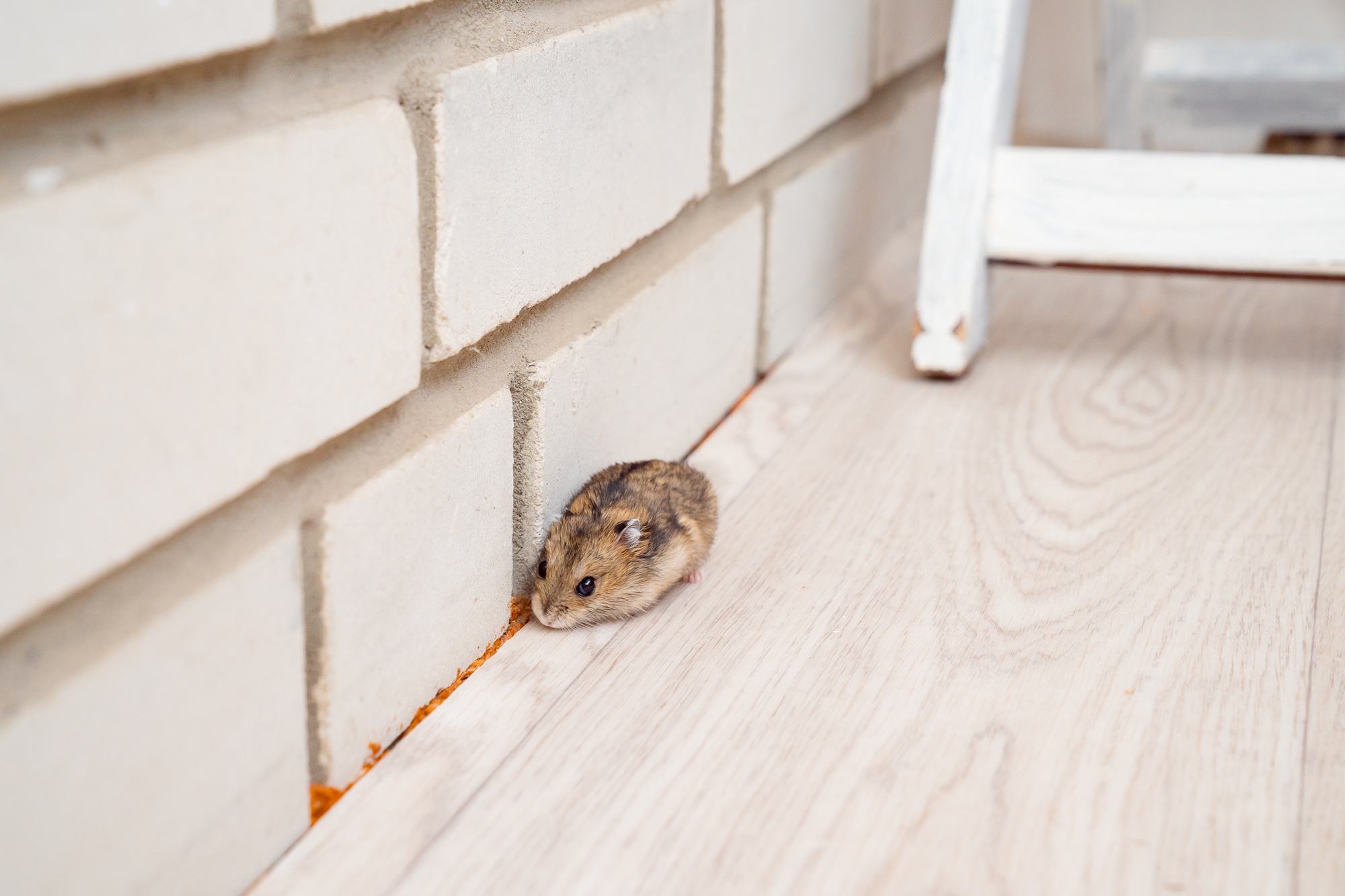
Different materials create different environments. Wood attracts carpenter ants and wood-destroying insects. Insulation provides warmth for rodents. Concrete foundations develop cracks that allow ants and spiders to enter. Even drywall seams and flooring transitions can become pathways for pests.
In Salem, Oregon, and surrounding areas such as West Salem and Polk County, moisture from the Pacific Northwest climate exacerbates these risks. Crawl space conditions, aging wooden structures, and foundation gaps all contribute to pest problems.
Professionals use this knowledge to anticipate where pests are likely to nest, not just where they’ve already been seen, following principles outlined in EPA integrated pest management guidelines.
Do You Want Reliable Pest Control Solutions?
Contact The Killers Pest Control today to schedule your inspection or service.
Why Structural Analysis Makes Pest Control More Effective
Understanding building materials transforms pest control from reactive to proactive. Instead of chasing infestations, professionals can prevent them entirely.
Benefits include:
- Earlier detection of pest-harboring zones
- Reduced the need for repeated pest control intervention
- Improved long-term pest protection plans
- Fewer chemical treatments and more targeted applications
This is especially important for commercial pest control clients and homeowners near areas like Bush’s Pasture Park or Willamette University, where environmental conditions influence pest activity.
How Pest Control in Salem OR Uses Structural Insights to Predict Problems
Pest control in Salem OR, Professionals evaluate how materials interact with pest behavior. For example, carpenter ants often target damp wooden framing, while rodents use insulation as nesting material and access pathways.
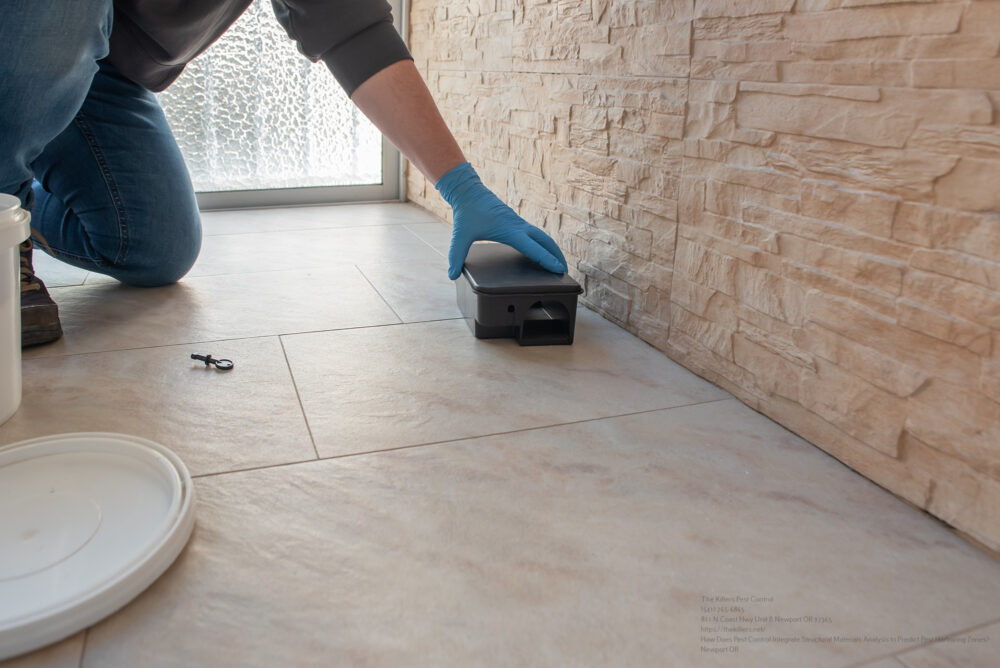
Technicians inspect foundation lines, siding joints, crawl space areas, and roofing transitions to identify vulnerabilities. Treatment methods are then tailored to those exact locations, rather than applied broadly.
This precision reduces waste, increases effectiveness, and delivers longer-lasting results.
Best Practices Professionals Use to Identify Harboring Zones
Effective pest management relies on consistent evaluation. A proven approach includes:
- Conducting detailed pest inspections with a focus on structural materials
- Identifying moisture buildup and airflow issues in crawl space areas
- Mapping pest travel routes along the foundation and interior voids
- Applying targeted treatments such as foundation spray or perimeter granulation
These steps allow technicians to predict pest activity before infestations escalate.
Real-World Example: Preventing Carpenter Ant Damage in Salem
A homeowner in Salem Oregon noticed occasional ant activity but no major infestation. Instead of applying standard ant control, The Killers Pest Control conducted a full structural assessment.
They identified moisture-damaged wood near the foundation and early signs of carpenter ants inside wall voids. By addressing the material conditions and applying targeted treatment methods, the infestation was stopped before structural damage occurred.
Expert Insight: Why Moisture is the Hidden Driver of Pest Activity
Moisture is one of the most important factors in pest behavior. In the Pacific Northwest, damp environments attract everything from carpenter ants to spiders to even rodents.
Structural materials absorb and retain moisture differently. Wood swells, insulation traps humidity, and poorly ventilated crawl space areas become breeding grounds. Professionals use this insight to prioritize treatment zones and prevent recurring infestations.
How Modern Pest Control Adapts to Different Property Types
Not all buildings are the same. Residential pest control strategies differ from commercial pest control approaches, especially in larger properties with complex infrastructure.
For example:
- Homes may require focused foundation spray and interior inspections
- Commercial buildings may need ongoing maintenance and pest protection plans
- Older structures may require additional sealing and structural adjustments
By tailoring services to the building itself, pest control becomes more efficient and sustainable.
Key Takeaways for Homeowners and Property Managers
Pest control is no longer just about eliminating pests; instead, it’s about understanding why they choose certain locations. Structural materials play a critical role in shaping pest behavior.
By analyzing these materials, professionals can predict harboring zones, prevent infestations, and reduce long-term costs. This approach creates stronger, more reliable pest management strategies.
Smart pest control starts with understanding the structure beneath the surface.
Why Choose The Killers Pest Control?
We at The Killers Pest Control provide the best solutions to our customers by combining structural analysis with advanced pest control techniques. Our professional team identifies hidden risks, predicts pest behavior, and delivers solutions that last.
We proudly showcase our Licensed & Insured services, eco-conscious treatment methods, and commitment to stellar service across Salem and the surrounding areas. From spider control and flea treatments to wasp nest removal and rodent solutions, we tailor every service to your property’s unique structure.
Contact The Killers Pest Control for expert pest control in Salem, OR today. Long-term protection begins with professional pest control in Salem OR.
Do You Want Reliable Pest Control Solutions?
Contact The Killers Pest Control today to schedule your inspection or service.