The Smartest Time to Act is Often Before a Small Pest Problem Becomes a Big One
A pest problem rarely announces when it is about to get worse. A few bed bugs, one mouse sighting, scattered stink bugs, or early carpenter ant activity may seem minor at first, but the population can grow and spread. That is where pest control in Newport OR becomes more strategic: professionals use inspection findings, pest behavior, population trends, and site conditions to decide when early intervention can stop rapid infestation escalation.
Pest control uses population threshold modeling to monitor pest numbers, activity patterns, reproductive potential, and environmental conditions to determine when intervention becomes necessary. Acting before a population reaches an unacceptable level can prevent wider infestation, reduce property damage, and limit the scope of treatment.
The basic idea is simple. Professionals don’t always wait for a pest population to become overwhelming, but they also shouldn’t treat every isolated sighting the same way. The right response depends on the pest, the location, the risk involved, and how quickly conditions could allow the problem to grow.
Why a Few Pests Can Tell a Much Bigger Story
Population threshold modeling isn’t about predicting the future with perfect certainty. It is a practical way of asking, “What do the current signs suggest could happen next?” A pest control provider examines the number of pests observed, where they appear, how often they are active, whether reproduction is likely, and which conditions may support continued growth.
The U.S. Environmental Protection Agency describes an action threshold as the point at which pest populations or environmental conditions indicate that control action should be taken. Importantly, a single pest sighting does not always mean treatment is necessary, though some situations may justify a much lower threshold due to health, safety, or property risks.
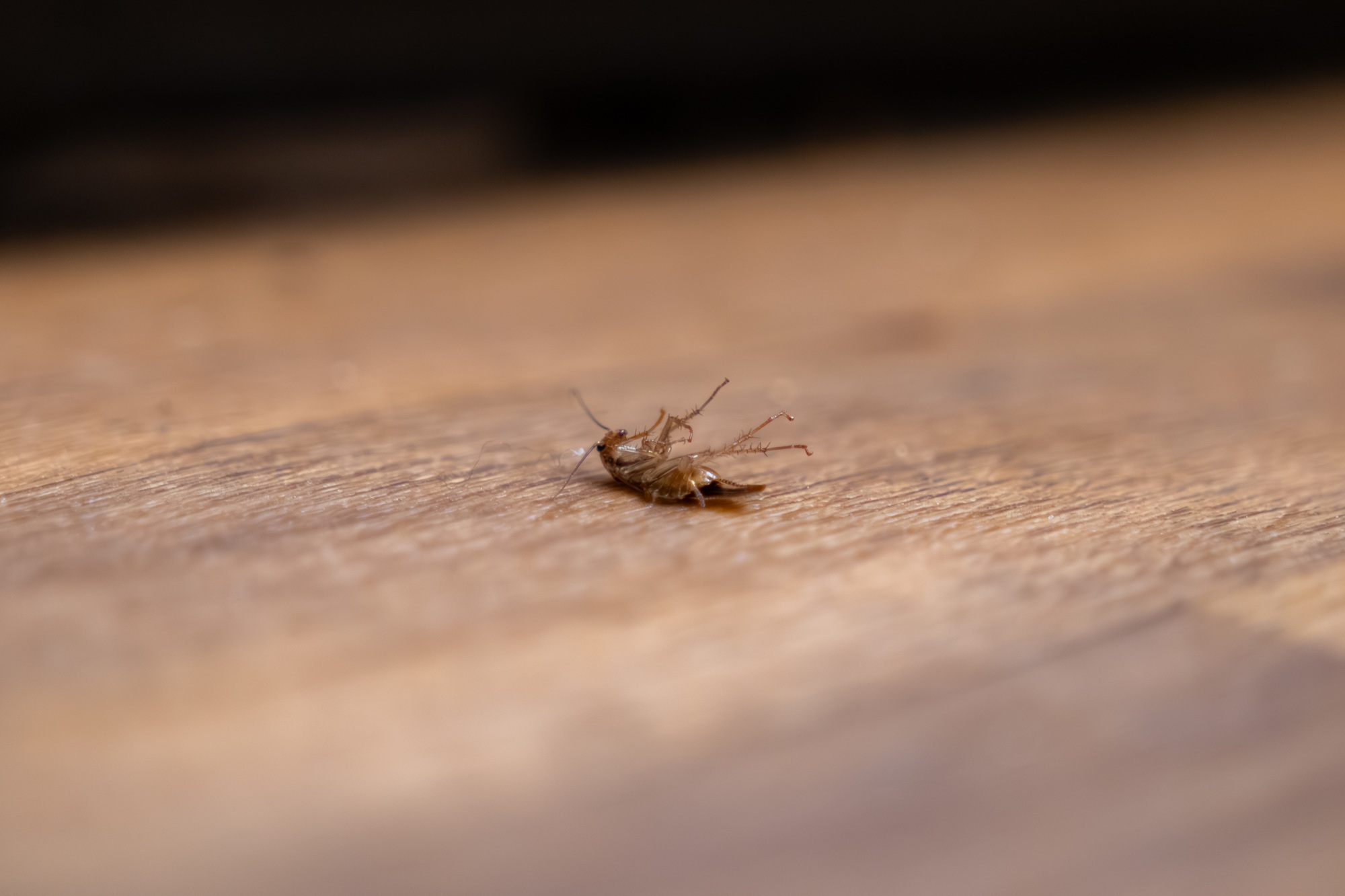
That distinction matters in Oregon homes. One Tapinoma sessile, for example, doesn’t automatically tell the whole story, but repeated activity near food or moisture sources can indicate a developing ant population. Likewise, one Oriental cockroach can warrant more serious attention than a harmless outdoor insect because sanitation, food areas, and indoor harborage conditions may allow certain populations to establish.
People also ask: How do pest control professionals know when a small infestation needs treatment? They answer by combining identification with trends. A professional company considers the species, life cycle, location, likely nesting areas, entry routes, and how quickly the population could grow.
The Four Clues that Signal it’s Time to Intervene
The Killers Pest Control can evaluate several connected signals before recommending a treatment plan. First comes population evidence: how many pests are being found, trapped, or reported, and whether those numbers are increasing. Second is location. Activity concentrated around a nest, harborage site, or entry route may indicate greater risk than an isolated sighting.
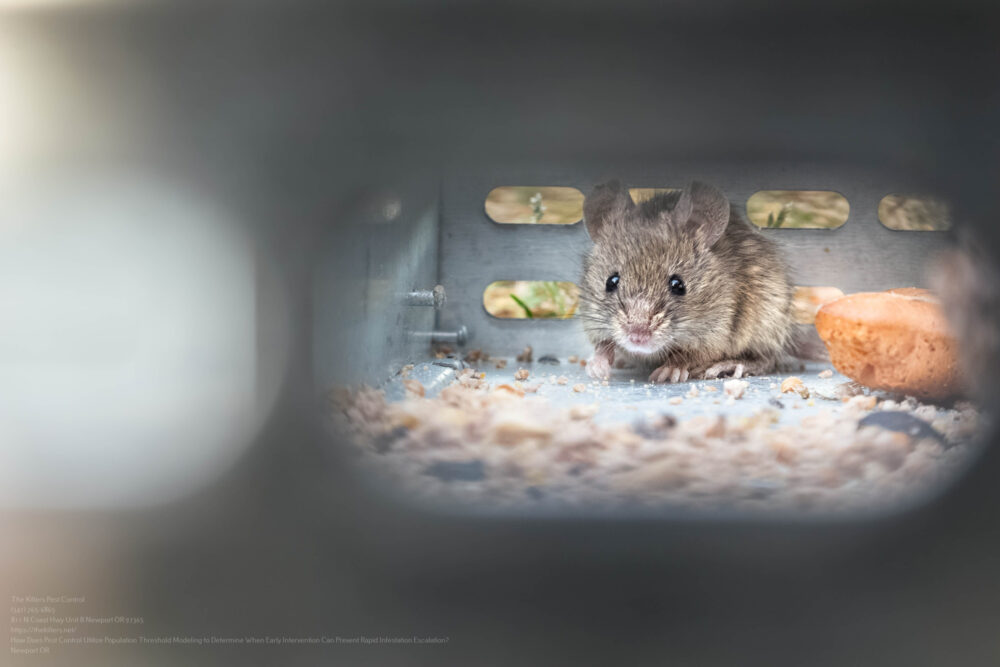
Third comes biology. Bed bugs, roof rats, mice, and rats each reproduce and spread differently. Deer ticks may raise concerns unrelated to structural damage, while a bird problem involving nesting birds can require a different assessment than ordinary insect activity. The threshold has to fit the pest.
Fourth comes the property itself. Food sources, standing water, moisture, accessible shelter, and damaged barriers can change how quickly insect populations or rodents establish themselves. Oregon State University’s IPM guidance similarly emphasizes monitoring, identifying high-risk periods or locations, tracking pest trends, and using decision tools and thresholds to determine interventions.
Want Smarter Pest Control for Your Property?
Contact The Killers Pest Control today for friendly, professional help with your pest concerns.
How Pest Control Uses Thresholds to Make Better Decisions
Thresholds are not fixed numbers that apply to every building. A pest population that may be tolerable outdoors can be unacceptable indoors, in a kitchen, bedroom, food storage area or business. The EPA explains that effective Integrated Pest Management combines monitoring and identification with action thresholds, prevention, and appropriately selected controls.
For pest control in Newport OR, that means evaluating the property rather than relying on a generic rule. A Newport home near N Coast Hwy may face different moisture and access conditions than a property closer to Yaquina Head Lighthouse, Lewis St, or Broadway St. Coastal weather, nearby vegetation, building age, and surrounding habitat can all influence pest pressure.
The same thinking applies across ZIP codes and different Oregon homes. A rodent removal decision may be based on droppings, gnawing evidence, repeated sightings, and signs of an active nesting area rather than one mouse seen outside. Termite Control may require prompt evaluation when signs indicate subterranean termites, as waiting can increase the risk of hidden structural damage.
This approach can save time and reduce unnecessary treatment. When monitoring shows that prevention and exclusion are working, additional control may not be needed. When the trend shows rapid growth, however, early intervention can prevent the population from reaching a level that requires more extensive measures.
The Key Lessons Behind Smarter Pest Prevention
Population threshold modeling works best when it integrates four elements: accurate identification, regular monitoring, realistic action thresholds, and prevention. The presence of a pest alone doesn’t always tell professionals what to do, but the combination of population size, location, behavior, and environmental risk often does.
The most important lesson is to act before a manageable problem reaches its tipping point. That doesn’t mean aggressively treating every insect or rodent sighting. It means using evidence to decide when prevention is enough and when professional intervention is the smarter choice.
For Newport and the wider Pacific Northwest, moisture, seasonal conditions, coastal environments, and the differences between individual properties all affect pest behavior. Whether the concern involves bed bugs, carpenter ants, stink bugs, mice and rats, subterranean termites, yellow jackets, or another pest problem, a tailored treatment plan provides more value than guesswork.
The Killers Pest Control helps homeowners focus on early detection, practical prevention, and targeted solutions. When population trends are monitored carefully, pest management can address the conditions driving an infestation before rapid growth creates a much larger problem.
Why Choosing The Killers Pest Control is the Smart Move for Early Pest Intervention
We at The Killers Pest Control provide the best solutions to our customers by looking beyond a single pest sighting and examining the full pattern of activity. We understand that a small pest problem can remain stable, disappear with preventive changes, or grow quickly when favorable conditions allow a population to establish itself.
We use careful evaluation and practical pest management strategies to help customers understand when early intervention makes sense. Our approach supports smarter treatment plans for pest problems involving insects, rodents, and other household pests.
We showcase our excellent services through responsive inspections, thoughtful treatment planning, and solutions designed around each property’s conditions. We also provide dependable customer service and professional guidance to help customers take action with greater confidence.
Don’t wait for a growing infestation to become harder to manage. Contact The Killers Pest Control for professional pest control services and a site-specific assessment of your property. For smarter monitoring, earlier intervention, and lasting protection against escalating pest activity, choose pest control in Newport OR.
Want Smarter Pest Control for Your Property?
Contact The Killers Pest Control today for friendly, professional help with your pest concerns.